Australia's Cricket Legends Urge Action on Imran Khan's Treatment
Seven of Australia’s most respected cricket captains have broken ranks with their usual sporting neutrality to raise alarm over the imprisonment and treatment of former Pakistan prime minister Imran Khan.
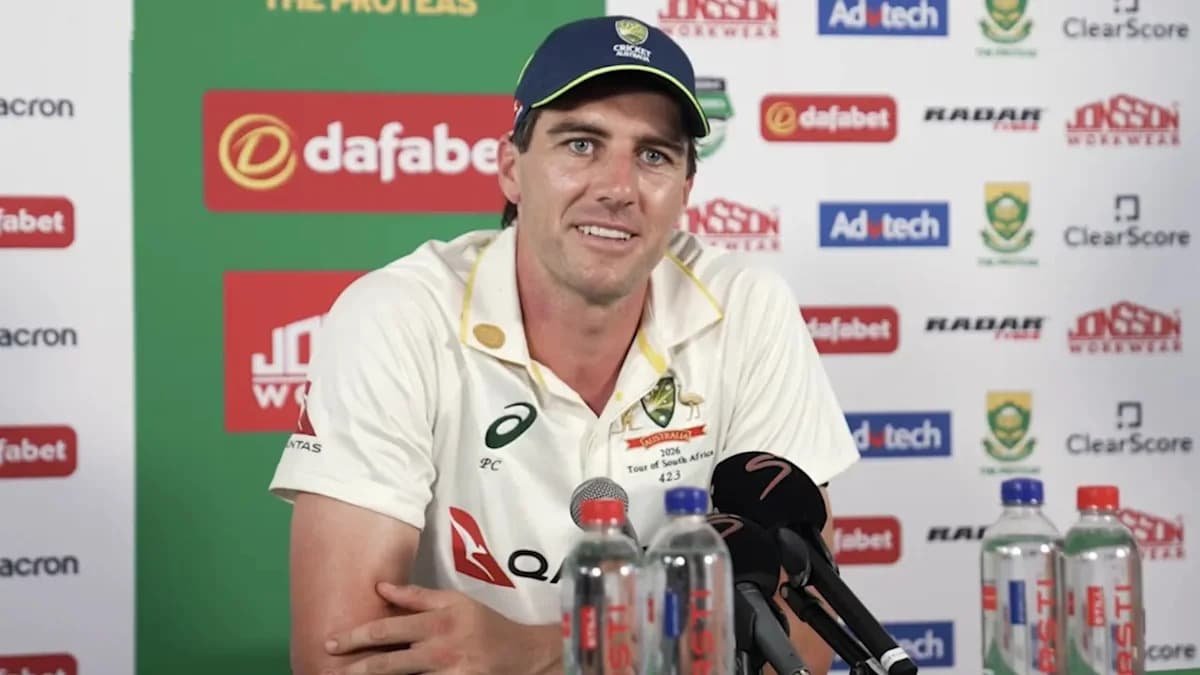
In a rare collective intervention, Allan Border, Greg Chappell, Ian Chappell, Belinda Clark, Kim Hughes, Mark Taylor and Steve Waugh signed a letter to Australia’s Foreign Minister Penny Wong, urging attention to what they describe as a basic question of humanity.
They stressed they were not entering Pakistan’s political arena, nor weighing in on the legal merits of the cases against Khan, the founder of the PTI party. Their message was narrower, but pointed: the way any person is treated in custody, regardless of their politics, is a test of fundamental human standards.
The letter, reported by Dawn with reference to Cricinfo, underlines that the former captains are speaking not as diplomats or activists but as figures whose careers were built on tours, rivalries and relationships across the cricketing world, including Pakistan. That shared history, they argued, gives them both a connection and a responsibility to speak.
From Canberra, the response has been cautious but clear. Citing the Sydney Morning Herald, a spokesperson for Penny Wong confirmed that Australia “regularly” raises Khan’s case in its dealings with Pakistan. According to the spokesperson, Australian officials continue to press for assurances that the 73‑year‑old receives appropriate medical care while behind bars.
Khan has been in prison since 2023. Late in 2025, he and his wife were handed 17‑year sentences on corruption charges, which both deny. The convictions deepened an already fraught political climate in Pakistan and sharpened international scrutiny of his treatment.
Medical care has become a central flashpoint. On August 18, Pakistan’s Supreme Court ordered the government to move Khan within two days to the private Shifa International hospital in Islamabad, where a multidisciplinary medical commission was to examine and treat him. The pressure seemed to force movement. Yet it later emerged that he had instead been transferred to the state-run Pakistan Institute of Medical Sciences, a decision that immediately raised questions over compliance with the court’s directive and the level of care he would receive.
Pakistan’s government insists there is no cause for alarm. Officials maintain that Khan’s imprisonment follows the country’s prison regulations, court orders and the heightened security protocols required for a high-profile detainee. They have flatly rejected allegations of punitive solitary confinement, mistreatment or deprivation.
That official line now sits alongside the moral appeal from some of cricket’s most storied leaders. They have not asked for a verdict to be overturned or a sentence to be lifted. They have asked, instead, for a standard: that even the most divisive political figure is entitled to humane treatment.
For a man who once captained Pakistan on the field and later led it from the prime minister’s office, the question now stretches far beyond politics or sport. How Pakistan handles Imran Khan’s imprisonment will echo not only through its courts and prisons, but across a cricketing world watching one of its icons grow old behind bars.