.svg&w=384&q=75 "logo")
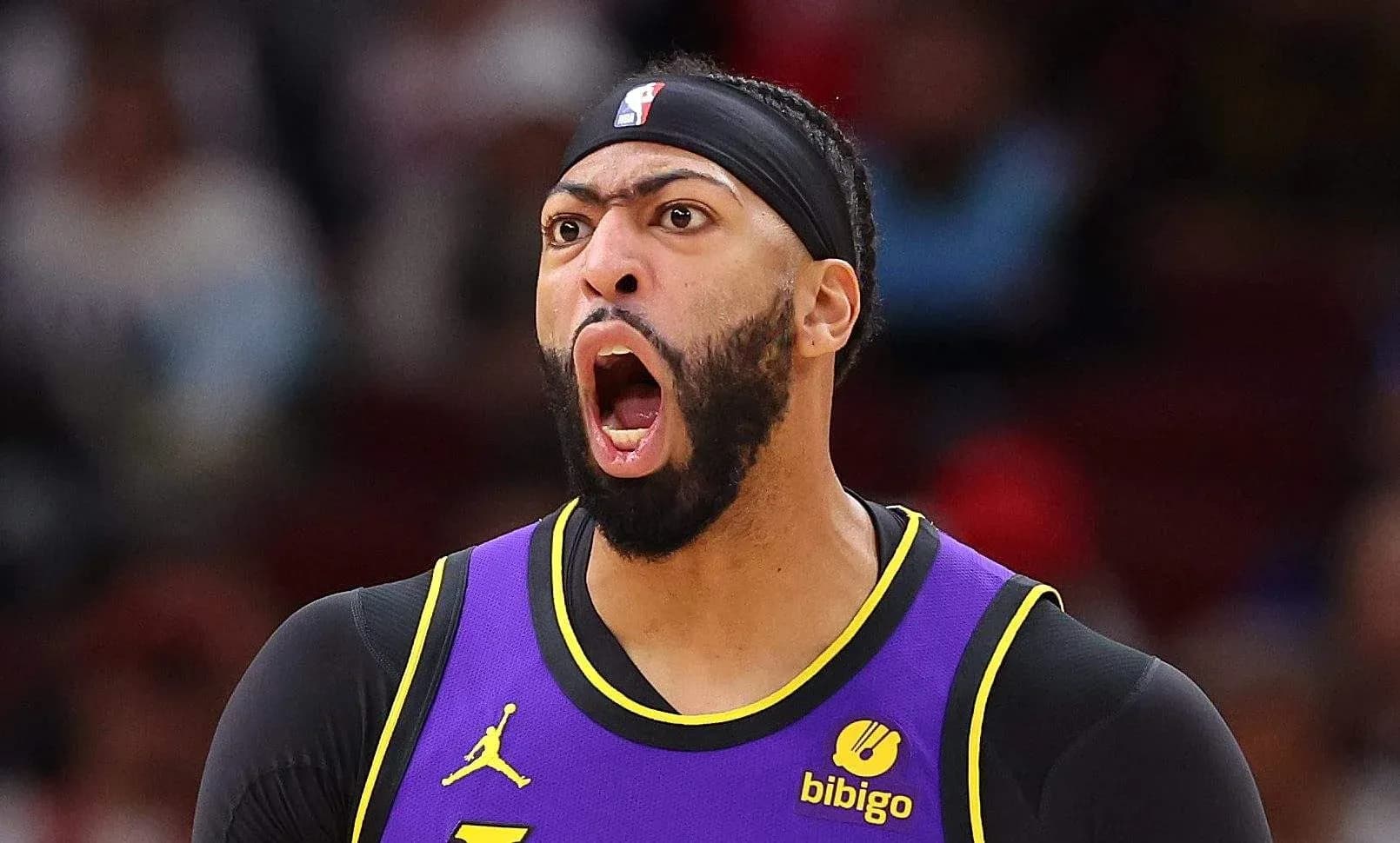
Anthony Davis Trade Rumors: Impact on Wizards and Celtics
Seven years ago, Anthony Davis was supposed to be the heir.
He was the chosen one in Los Angeles, the man who would ease the transition from LeBron James, keep the banners relevant and the spotlight fixed on Staples Center, and eventually wedge his name into the Lakers’ all-time top 10 in both scoring and rebounding. Twenty-six years old, still shy of his prime, with a skill set that looked built for a decade of dominance.
Fast forward roughly 2,600 days, and that script is in shreds.
Davis is now a Washington Wizard, a long way from the Hollywood throne once sketched out for him. His departure from L.A., via that stunning February 2025 trade that shipped him to the Dallas Mavericks and brought Luka Doncic to the Lakers, ended any illusion that he would retire as one of the franchise’s untouchables. In Laker land, the emotional goodbye happened even earlier. The belief that the former No. 1 pick might end up as one of the five greatest to wear purple and gold has quietly faded into nostalgia.
And he might not be in Washington for long, either.
A Blockbuster on Paper: Davis to Boston
The Wizards are rebuilding. That’s the polite way of saying they have little appetite for handing a 33-year-old, injury-prone big man a contract flirting with $300 million. Davis is still a 10-time All-Star, still a name that moves the needle, but Washington’s timeline doesn’t match his medical file or his next deal.
Boston’s situation is very different.
The Celtics have taken a hit on the wing after dealing Jaylen Brown to the rival Philadelphia 76ers in a move that left plenty of people scratching their heads. Their frontcourt, already thin, now looks in need of both size and star power. They have Jayson Tatum, one of the league’s premier scorers and a perennial MVP candidate, but the roster around him suddenly feels lighter.
Enter the hypothetical:
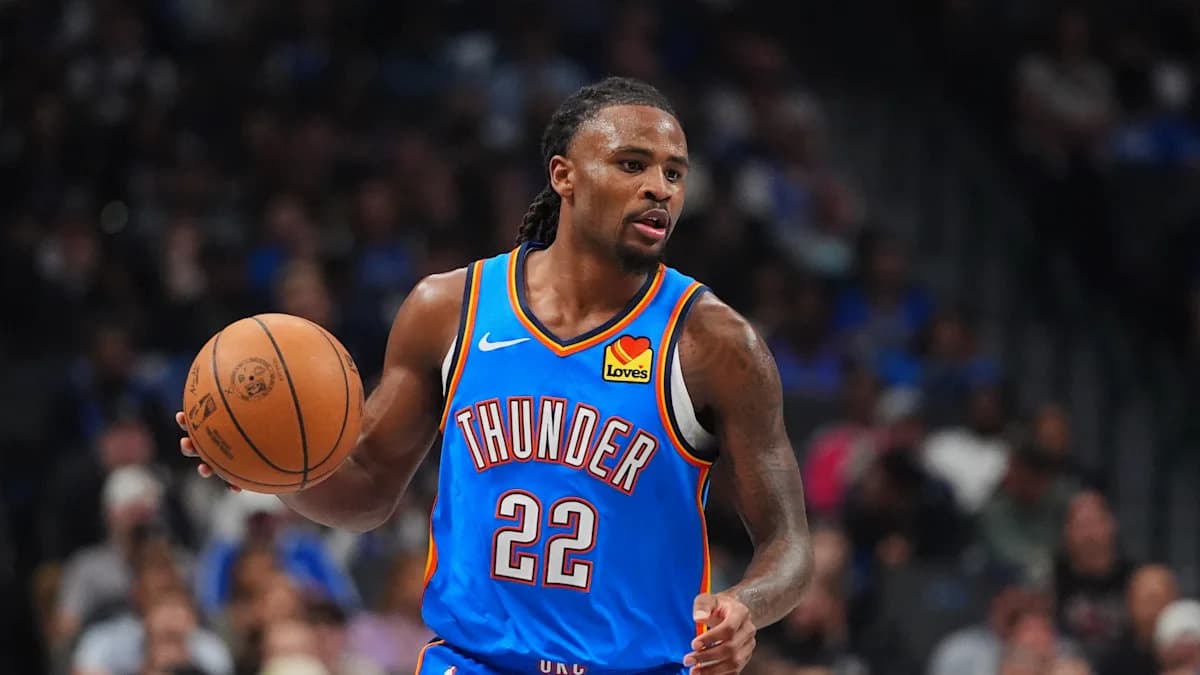
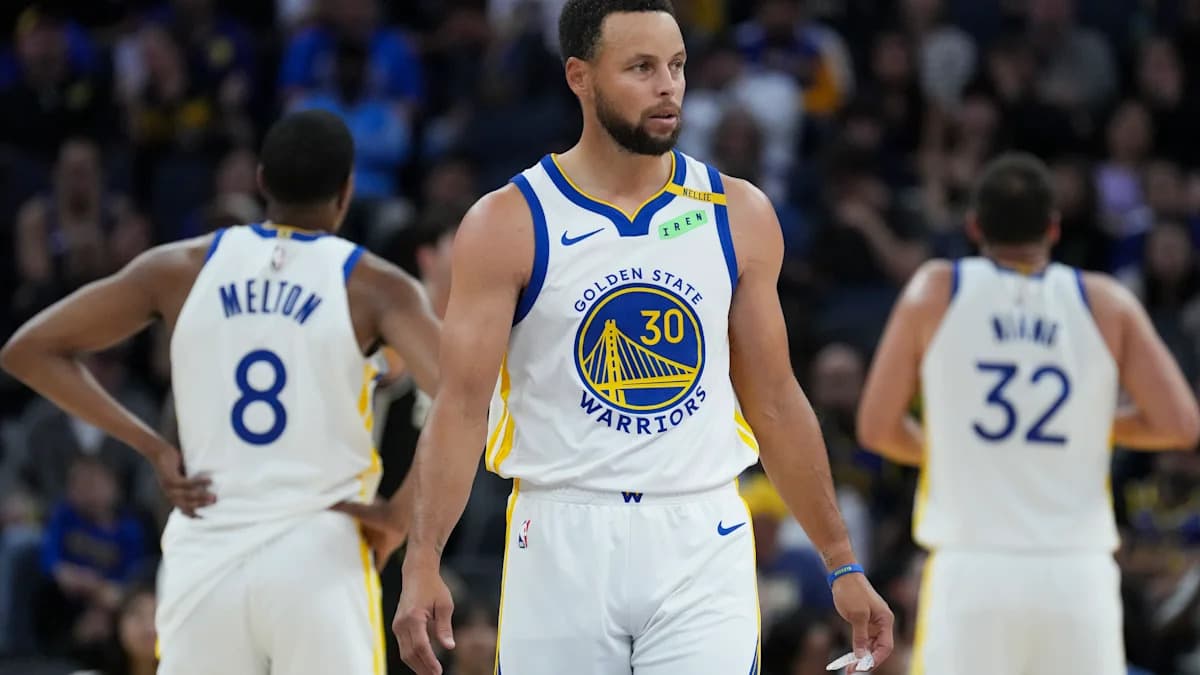
- Wizards receive: Paul George, Jordan Walsh, Baylor Scheierman and a 2030 second-round pick (via CHA)
- Celtics receive: Anthony Davis
On Washington’s side, the logic is cold and clear. This deal wipes away the looming risk of tying up years and hundreds of millions in Davis. Instead, they take on Paul George’s contract, knowing that in two years they could see more than $100 million come off the books when his deal expires. That cap relief, coupled with the upside of Baylor Scheierman and Jordan Walsh, gives the Wizards something they desperately need: flexibility and young talent.
Walsh and Scheierman aren’t headliners yet, but they’re the kind of emerging pieces a rebuilding franchise can bet on. Two years from now, Washington could be sitting with a cleaner cap sheet and a pair of rotation-ready wings helping push the team back toward respectability.
For Boston, the equation is simpler, and riskier.
Davis is a franchise-changer when he’s on the floor. A five-time All-NBA selection. Three times the league’s single-season blocks leader. A defensive anchor who can erase mistakes and an offensive weapon who can still punish switches and dominate inside. The Celtics would be gambling that he can string together a couple of relatively healthy seasons, enough to give Tatum the elite frontcourt partner he’s never had.
If that gamble pays off, Boston doesn’t just patch a hole. It reshapes its identity. A Tatum–Davis duo would instantly rank among the league’s most terrifying combinations, and given Davis’ current circumstances, the Celtics could be landing one of the NBA’s top players at what amounts to a relative bargain in star-trade terms.
Of course, that “when healthy” caveat never leaves the room.
The Laker Years: Peak Davis in Purple and Gold
For all the what-ifs that now trail Davis, his time in Los Angeles was hardly a failure. When the trade sending him out finally came down, many Lakers fans winced—until they saw Luka Doncic’s name on the other side of the deal. That reaction said everything about both Davis’ value and the changing of the guard.
During his 5½ seasons in L.A., Davis delivered the kind of production that, on paper, matches the lofty expectations that greeted him.
He averaged 24.8 points, 11 rebounds, 3.2 assists and 2.2 blocks per game in a Lakers uniform. He made four All-Star teams. Twice he landed on the All-Defensive First Team. Twice he earned All-NBA honors. On both ends of the floor, at his best, he was exactly what the Lakers thought they were getting: a two-way monster who could tilt a playoff series on his own.
And then there’s 2020.
In that strange, isolated bubble run in Orlando, Davis was a driving force behind the Lakers’ march to the NBA title. His shot-making, his rim protection, his presence alongside LeBron James turned a talented roster into a champion. For that stretch, he looked every bit like the future of the franchise, the man who would carry the torch once James stepped back.
If there’s a fair way to judge his Laker tenure, it might be this: Los Angeles squeezed the very best of Anthony Davis out of those years. They got him near his apex, when his body still allowed him to be a nightly nightmare on both ends. They got the banner. They got the highlight reels. They got the peak version of the player they traded the farm to acquire.
Now the question is who, if anyone, will dare to bet that there’s another peak left.
Boston, on paper, makes sense. A proud franchise chasing another title, a superstar in need of a frontcourt equal, a roster that could use a jolt. The Wizards, meanwhile, are staring at a long road back and can’t afford sentimental investments in aging stars.
If this hypothetical deal ever edges toward reality, it won’t just reshape three franchises. It will define the final chapter of Anthony Davis’ complicated, brilliant, and unfinished NBA story.