.svg&w=384&q=75 "logo")
Concerns Mount for Aichi-Nagoya 2026 Cricket Event
Cricket at Aichi-Nagoya 2026 is under the spotlight, and not for the reasons organisers would have hoped.
With less than two years to go, leading Asian boards have raised sharp concerns over both the venue and the accommodation for the cricket competition at the Asian Games, leaving the Asian Cricket Council (ACC) and local organisers scrambling for answers.
Big teams, big doubts
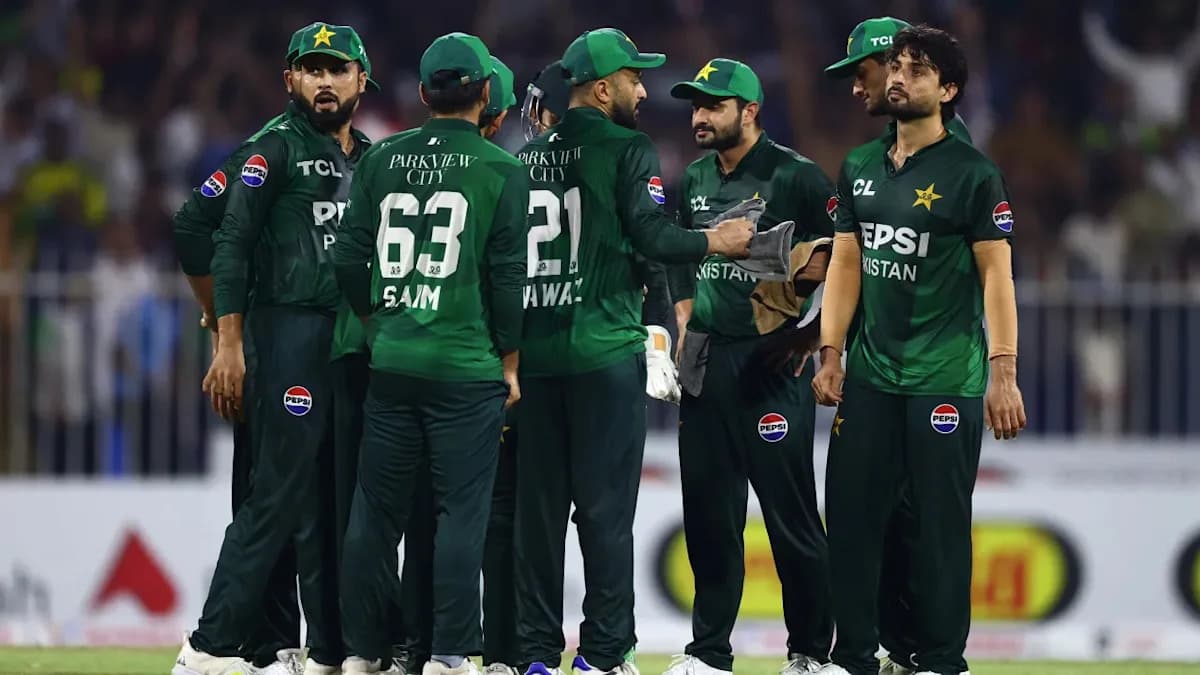
The unease surfaced at a recent ACC meeting in Bangkok, where representatives of the continent’s Test-playing nations – India, Pakistan, Sri Lanka, Bangladesh and Afghanistan – questioned whether the arrangements were fit for their top players.
“There’s concern from the big boys,” is how one official framed it. Ten men’s teams and eight women’s sides are scheduled to compete in the T20 event, yet the basic question of where they will stay remains awkwardly unresolved.
Teams have been handed three starkly different choices:
- Base themselves in a city and commute to the venue by bullet train.
- Stay on a ship anchored nearby.
- Accept marquee tent accommodation.
For squads packed with global stars, none of those options carries the reassuring ring of a well-planned multi-sport Games. Inside the ACC, there is already a feeling that the council, led by Pakistan’s Mohsin Naqvi, moved too slowly on bookings while other continental bodies locked in hotels for their delegations months in advance.
That delay now hangs over the tournament like a cloud.
A makeshift ground, a ticking clock
The venue itself is not easing any nerves either.
The cricket will be played at a newly developed ground in Nisshin City, described on the Asian Games website as a sports park featuring Japan’s second natural grass pitch capable of hosting international competition. On paper, it sounds like a step forward for the sport in the country.
On the ground, it is still a work in progress.
The facility is essentially makeshift, with no proper dressing rooms and infrastructure more reminiscent of Associate outposts than a showpiece continental event. ICC CEO Sanjog Gupta recently shared a video of the ground, praising the progress but pointedly noting that “there is still some work to be done” before it can welcome 10 men’s and 8 women’s teams, match officials and fans.
The outfield in the footage looks lush and green. The question is whether everything around it can catch up in time.
Japan has already hosted an ICC pathway tournament this year, but this is a different scale: full-strength Asian powerhouses, live medals on the line, and a global audience watching how cricket presents itself at a major Games in a non-traditional market.
Late inspections, fraying patience
Inside the ACC, there is talk of sending an inspection team to Japan to assess the facilities. That plan, though, comes with its own unease. Several officials privately fear the exercise might come too late to drive meaningful changes.
In India, both the BCCI and the Indian Olympic Association (IOA) have held internal discussions about the situation. A member of the BCCI operations team was earmarked to travel to Japan to review the arrangements on the ground. As of early this week, there was no confirmation that he had actually boarded a flight.
Cricbuzz reached out to Japan Cricket Association (JCA) CEO Alex Miyaji for comment on the concerns. There was no immediate response.
The silence only adds to the sense of drift.
Full-strength India locked in
Amid the uncertainty, one thing stands firm: India are not treating this as a trial run.
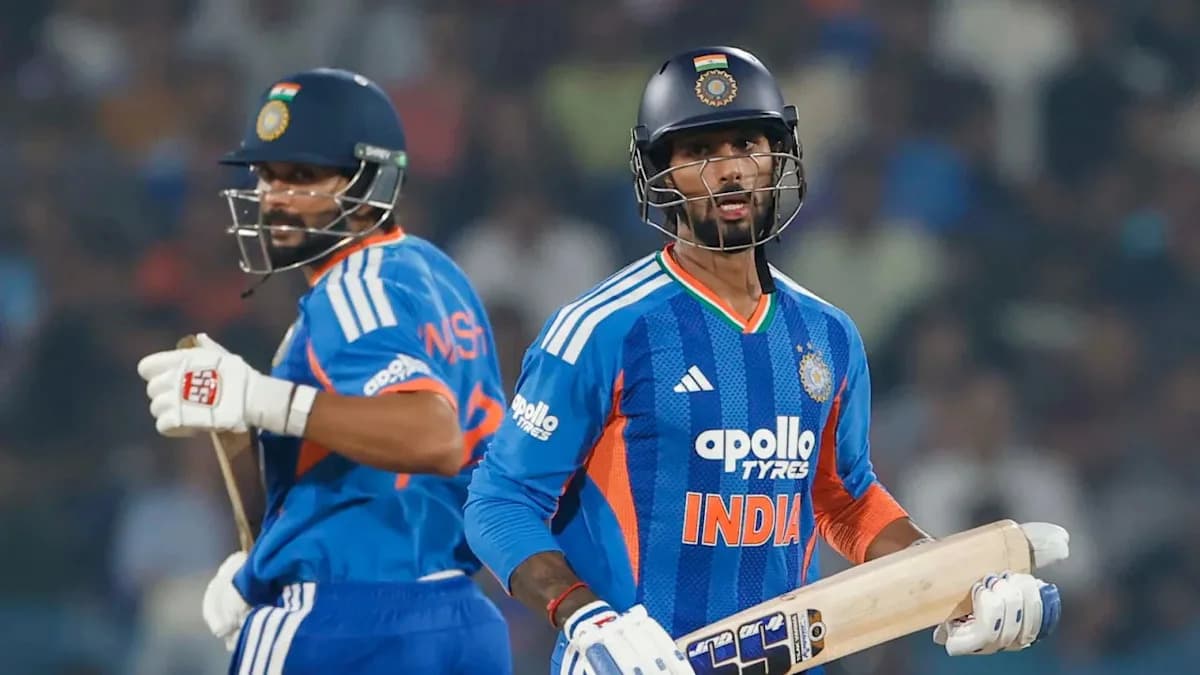
The BCCI is sending full-strength men’s and women’s squads, captained by regular skippers Shreyas Iyer and Harmanpreet Kaur. Reports suggesting that India might downgrade to “B” teams have not materialised into any formal move. Officials maintain that it is now too late to overhaul the squads, barring injuries.
There has already been one enforced change. Jemimah Rodrigues has been ruled out and replaced by Pratika Rawal in the women’s squad.
For players of that calibre, the thought of living in tents or commuting daily by train to a makeshift venue jars with the standards they experience elsewhere. The optics are uncomfortable: Asia’s biggest names walking into temporary dressing areas at an event designed to showcase the sport’s growth.
Schedule set, questions lingering
The cricket competition, in T20 format, is due to start on September 17, two days before the official opening ceremony on September 19. It will run until October 3, with the women’s final slated for September 22 and the men’s gold medal match set to close the tournament on October 3.
There have been suggestions of an India men’s friendly against Japan on September 22, a fixture that would offer the hosts a rare marquee outing and give the ground an extra test under pressure. Officials from both the BCCI and JCA, however, have not confirmed that match.
So the calendar is inked in. The squads are named. The countdown has begun.
What remains unsettled is whether Aichi-Nagoya 2026 will be remembered as a landmark moment for cricket’s expansion into Japan, or as a warning shot about what happens when the game’s biggest stakeholders feel the basics were never properly nailed down.