Alexander Zverev Wins US Open Title After Six-Year Journey
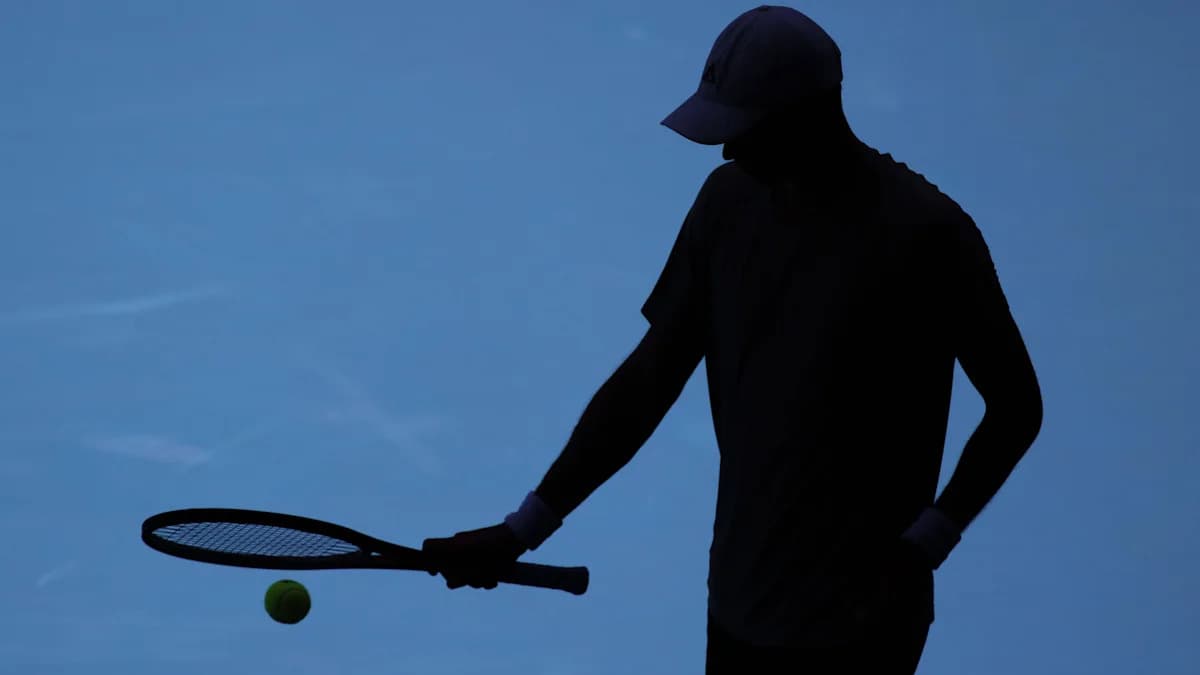
Alexander Zverev walked to the baseline with history at his back and 24,000 people in front of him.
Six years earlier, in this same stadium, he had served for the US Open title and watched it all fall apart. Two sets up on Dominic Thiem in 2020, then serving for the match in the fifth, he saw the trophy slip through his fingers and his composure crumble on the biggest stage.
This time, the danger wasn’t his nerves. It was Ben Shelton. It was Arthur Ashe Stadium roaring for the American. It was the memory of that collapse, lurking somewhere in the shadows.
And yet, when the moment finally came, Zverev didn’t even realise he’d done it.
He fired down one last unreturnable serve to seal a 6-3 7-6 (7-2) 5-7 6-2 win, walked back to the baseline and calmly prepared for the next point. Only when his team shouted from the stands did the truth cut through the noise: the match was over, the title his.
"In that moment I was in the zone a lot. I didn't hear noise at all," he said later. Tennis coaches tell juniors to play the next point and forget the score. Zverev, 29 years old and finally hardened by the years, took that mantra to its extreme. "At that moment I forgot about the score and it helped me."
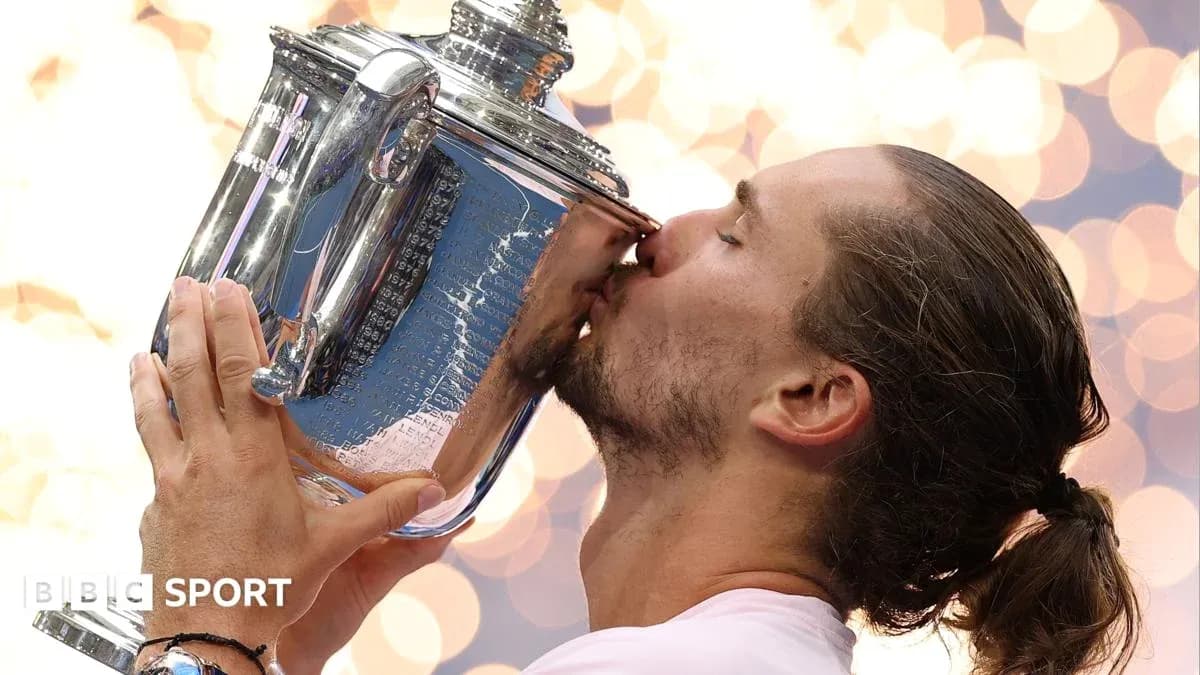
The realisation hit him a second later. The face softened, then broke into a wide, almost disbelieving smile. Arms raised, not in wild celebration but in something closer to relief. A man who once sobbed through a runners-up speech on this court now stood as a multiple Grand Slam champion.
Back in 2020, after that brutal defeat to Thiem, a tearful Zverev told the crowd: "I wish one day I can bring the trophy home." Now, that wish belongs to the past. The trophy is his, again.
"We went 30 years without winning a Grand Slam title and now we've won two in three months," he said, referencing his French Open triumph in June. "2026 is the outcome of all the years that happened before." A line that sounded less like a boast and more like a verdict on a career spent clawing towards this version of himself.
There was another key difference from that first US Open final. His parents were missing from the stands in 2020; this time his father and coach, Alexander Zverev Sr, watched from courtside, eyes fixed on every serve, every stride. The family story runs deep in this victory.
Zverev made a point of turning the spotlight on both of them. He spoke about his father’s coaching, but it was his mother he elevated as the central figure in his life, recalling the moment doctors diagnosed him with type 1 diabetes as a child and warned of limits.
"When doctors tell you that life and sports will be very limited for that child, it takes a very strong mother to say: 'my son will be whatever he wants to be'," he said. "My mother is the most important and strongest person I know."
The numbers back up the feeling that this is his peak. World number two. French Open champion. US Open champion. Semi-finals at the Australian Open. Final at Wimbledon. A season that once belonged to Jannik Sinner and Carlos Alcaraz in recent years has, through a mix of their injuries and his own evolution, opened up for Zverev.
He has taken full advantage. A stricter approach to fitness, a sharper mentality, a body that looks built to go five hours on hard courts and still ask for more.
"There is no-one as fit as Zverev, he is right up there," said former Wimbledon champion Marion Bartoli on BBC Radio 5 Live. "You can argue about Alcaraz and Sinner, and Novak [Djokovic] and Rafa [Nadal] when they were in their prime physically, but Zverev is right up there as one of the best athletes to play the sport."
The New York fortnight did not start like a champion’s procession. He was dragged into five sets in each of his first two matches, both finishing in the early hours. In the opening round he stood just two points from defeat. He survived, then slowly began to grow. From the third round until the final, he did not drop a set.
Against Shelton, he stepped into a different kind of storm. A young American with a huge lefty serve, a fearless game and a crowd desperate for a home winner. Every Shelton point felt twice as loud as any Zverev winner.
The German did not bite. He played with a tight rein on his emotions, almost deliberately flattening them. He took the first set, edged a tense tie-break in the second, and when Shelton snatched the third set to ignite Ashe, Zverev did not flinch. He reset, tightened his patterns, and closed the door in the fourth.
"I'm so admiring of his strength of character and the zen-like state he's been in since the very beginning of the match," said former British number one Annabel Croft. The image that stuck with her – and with everyone who watched – came at the end. "The most extraordinary thing was - and I don't think I've ever witnessed it - was that he didn't realise he had won. It was so bizarre, but it was like he was in a trance-like state while he was playing."
A trance born not of inexperience, but of scars. Of 2020. Of all the near-misses and long nights that turned a prodigy into a survivor.
On this court, six years after the collapse that defined him, Alexander Zverev finally played the last point of a US Open final as if it were just another ball. That, in the end, is what separated the man who once wished for a trophy from the one now holding two in a single summer.