.svg&w=384&q=75 "logo")
Alexander Zverev's Fight for US Open Glory
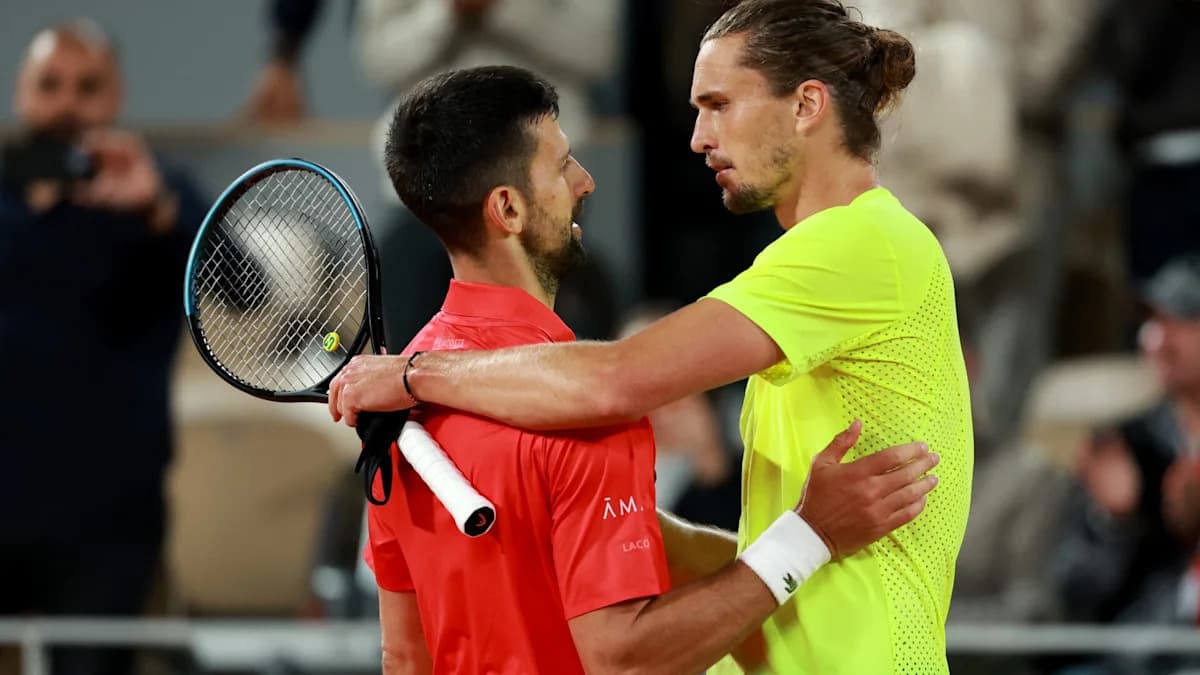
Alexander Zverev walked off court exhausted, relieved, and still very much in the fight for the title he has chased for years.
“I’m just happy I won,” the French Open champion told the ATP Tour after surviving a marathon first-round battle that stretched to nearly five hours. “Incredible battle. A lot of ups and downs. Nearly five hours for a first round. I think this is the longest first-round match I’ve ever played in my life.”
It was a reminder of how hard he is prepared to work to finally conquer New York. Zverev came agonisingly close to his first US Open crown in 2020, leading Dominic Thiem in the final before the match slipped away. That night still sits with him.
“I still feel like I should have won in 2020, that doesn’t change,” he said last week. The wound hasn’t fully healed, but it fuels him. He knows the field is stacked, knows nothing is guaranteed, yet he refuses to step back from the spotlight. “I feel like I’m one of the 128 players that are favourites in the draw,” he added, half-dry, half-defiant.
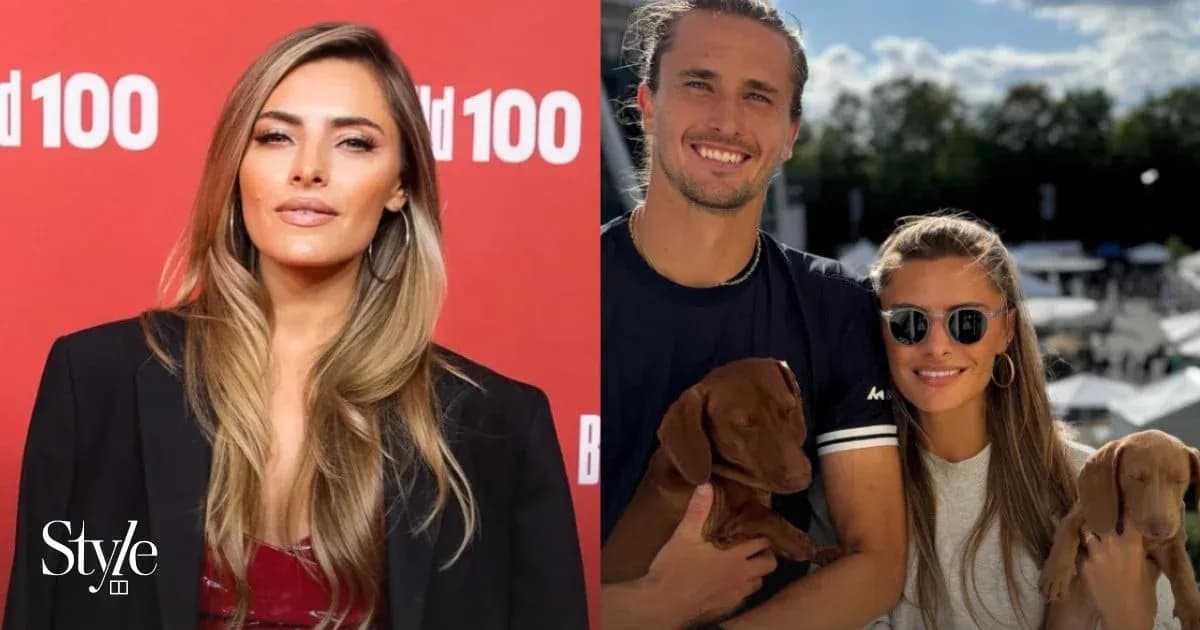
Through all the drama — the finals, the injuries, the comebacks, and the endless questions — one constant keeps appearing in his player box: Sophia Thomalla.
The cameras cut to her during tense moments, expression fixed, eyes locked on court. She has been there for more than five years now, a familiar figure in Zverev’s corner as his career has swung from promise to heartbreak and back again.
Who is Sophia Thomalla?
Thomalla’s own story began far from the roar of a Grand Slam stadium. She was born in East Berlin on October 6, 1989, into a family already steeped in performance. Her parents, Simone Thomalla and André Vetters, both worked as actors, and her childhood unfolded against the backdrop of stages and sets rather than stadiums and practice courts. The marriage didn’t last — they separated in 1995 — but the world of entertainment stayed close.
She spent her early years in Berlin before moving with her mother to Cologne and later Kleinmachnow. Those moves shaped a childhood spent between cities, between cultures of old East and new Germany, and between the private life of a child and the public life of a family in the spotlight.
Thomalla built her own image with intent. Known for her striking tattoos, she started getting inked young, turning her body into a kind of visual biography. One of the most talked-about pieces is a statement tattoo bearing the name and birth date of actor Sven Martinek, who was in a relationship with her mother in the late 1990s. It’s the sort of decision that underlines her willingness to be bold, to live visibly, and to invite questions rather than avoid them.
Now, when Zverev steps onto one of tennis’s biggest stages, Thomalla is often there, a steady presence amid the chaos of a five-set scrap. He chases the major titles that have eluded him; she brings her own history of life under the lens.
The road back to a US Open final is long, brutal, and unforgiving. Zverev knows that better than most. But as he grinds through another draining first round, eyes fixed again on the prize that slipped away in 2020, he does so with at least one certainty: when he looks up into the stands, he knows exactly who he’ll see.