.svg&w=384&q=75 "logo")
Williams Sisters' Epic US Open Match Ends in Heartbreak
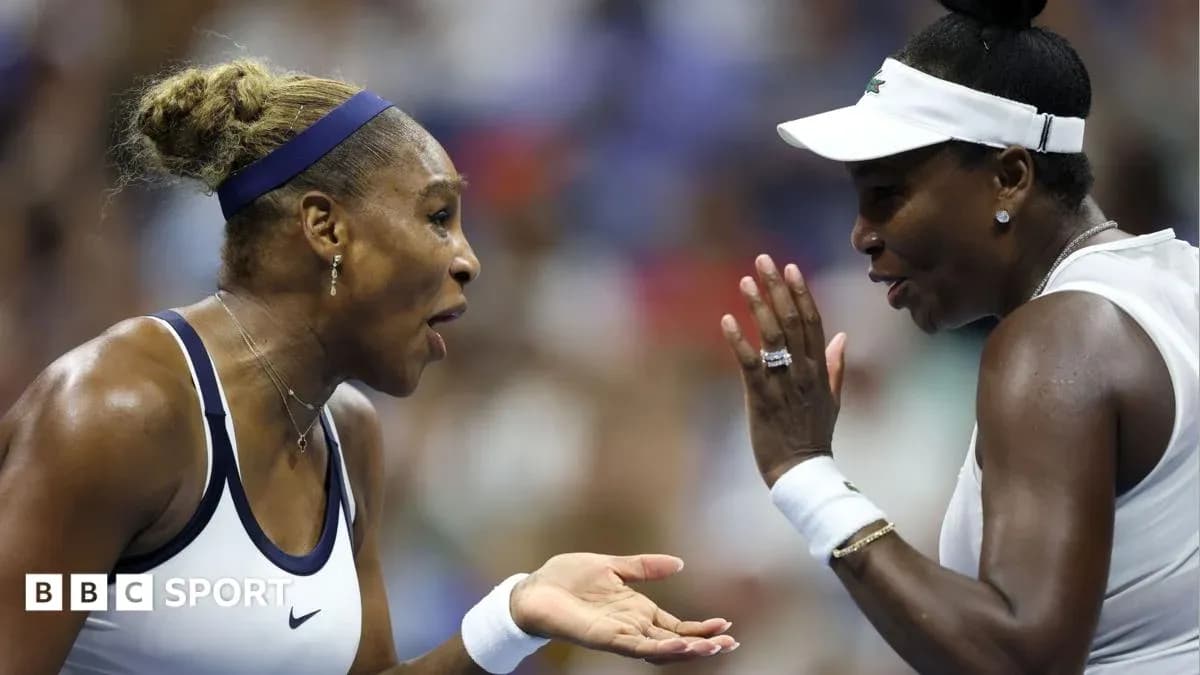
Arthur Ashe Stadium has seen countless champions, but very few first‑round women’s doubles matches have ever owned its night session. The Williams sisters are the exception to every rule.
Serena and Venus, 44 and 46, walked back into the glare of the US Open’s biggest stage on Friday as if time were a negotiable concept. Their combined age might be 90. Their appeal is ageless. So is the competitive fire when they stand on the same side of the net.
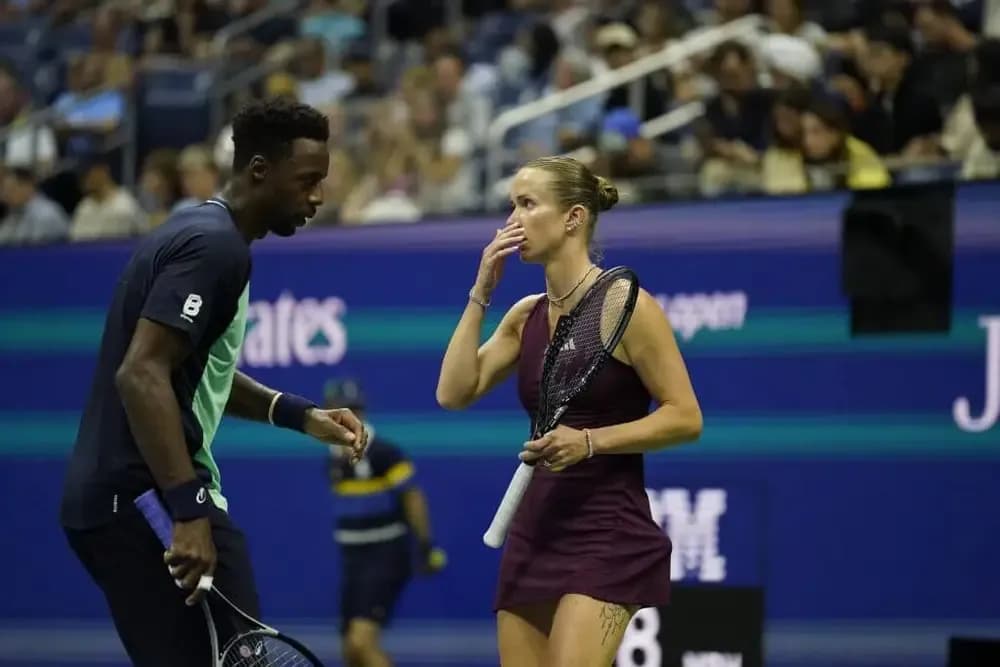
They lost. The scoreboard will always say 6-3 6-7 (6-8) 7-6 (10-7) to the 14th seeds, Hao-Ching Chan and Maya Joint. It will not say how close they came to bending the night back under their spell.
A night built on noise – and silence
Four years had passed since they last appeared together on Arthur Ashe. The reception sounded like a title ceremony. Two women who own eight singles trophies here between them and two doubles titles together were greeted as if they were still the pair to beat, not the pair to cherish.
At first, the tennis didn’t match the occasion. The first set drifted away quickly, the errors heavier than the winners, the crowd’s roar dropping to a murmur as Chan and Joint took control. For once, 20,000 people in this famously restless arena sat and watched quietly, almost reverently. The sight of the Williams sisters sharing a side of the court again demanded that.
Former US star Chanda Rubin, who knows exactly what it’s like to face them in a US Open doubles final, summed it up from the commentary box: “It was unbelievable how competitive that was. After the first set you wondered if Serena and Venus would be able to find their mojo – but, boy, they did.”
The pressure finally told in the second set. The Americans had to fight just to stay afloat, saving break points in the fifth and seventh games. Venus held firm on serve. Serena’s level rose to meet hers. The rallies sharpened, the angles grew bolder, and the stadium woke up.
By the time they edged the tie-break 8-6, Ashe was back in full voice. This was no nostalgia act now. It was a match.
One last surge
The decider seemed to slip away almost as soon as it began. Chan and Joint jumped to a 4-1 lead, their discipline and younger legs starting to stretch the court. The atmosphere dipped again, the crowd sensing the end creeping closer.
That has never been how Serena and Venus do goodbyes.
Point by point, they dragged themselves back. Returns bit deeper. Groundstrokes that had flown long in the first set now clipped the lines. The old patterns reappeared: Serena prowling the baseline, Venus cutting off angles at the net, both of them refusing to concede anything cheap.
They forced the match into a first‑to‑10 tie-break. The roar that greeted it felt like a second entrance.
Then came the surge. Five straight points. 5-0 in the breaker. One more push and the second round beckoned, the story ready to be written as another improbable escape.
Instead, it turned.
Chan and Joint held their nerve in the most hostile environment of their careers. They absorbed the noise, ignored the weight of the names across the net, and went to work. A point here, a point there. A double fault from Serena. Another from Venus. The lead shrank, then vanished.
From 0-5 down, the 14th seeds reeled them in and then pulled away, closing out the 10-7 breaker with the kind of composure that wins big matches and, on this night, silenced a stadium desperate for one more Williams comeback.
Joint, just 20 and already a small part of tennis history, could only shake her head afterward. “The atmosphere was surreal,” she said. “It was something we've never experienced before, and to play against such legends of the game was super special.”
Legends under the lights
The result will sit in the record books alongside other early exits. The performance will not be forgotten so quickly.
Three decades after they crashed into the sport as teenagers and changed it forever, the Williams sisters still hold tennis in their grip. Between them, they own 30 Grand Slam singles titles. Together, 14 doubles majors. The numbers are almost too big to process, but the impact is easy to feel. You could hear it in every gasp when Serena uncorked a forehand, in every roar when Venus knifed a volley.
Serena’s decision to come out of retirement this summer lit up the sport all over again, for those who watched her rise and for those too young to remember the beginning. Venus never left, grinding on with wildcards, sparking debate but never losing her conviction that she still belonged out there.
Their planned doubles reunion at Wimbledon vanished when Serena injured her knee in singles, ironically against Joint. The comeback finally materialised in Cincinnati, ending in a match tie-break defeat to Marta Kostyuk and Peyton Stearns. New York delivered the same cruel symmetry: another match tie-break, another narrow loss.
This time, though, it came on Ashe, under the lights, in front of a crowd that understood what it was witnessing. Their movement remained sharp enough to trouble seeded opposition. Their groundstrokes still punched holes in rallies. The attitude – the refusal to give up a lost cause – looked exactly as it did when they were dominating the sport, not revisiting it.
Chan and Joint deserved every bit of their win. They stayed calm while the stadium willed them to crack, kept their patterns, and found their best tennis when they trailed by five in the final breaker. On a night built to celebrate two icons, the 14th seeds showed the steel of players intent on making their own mark.
What comes next?
When it was over, there was no long goodbye on the microphones. The sisters declined to speak to the media, according to US Open organisers. The crowd did the talking instead, standing to send them off with a farewell that sounded suspiciously like gratitude.
The questions, though, are not going away. Serena had already teased the idea of playing singles again in an interview with Good Morning America. Venus, after her singles loss on Monday, insisted she shouldn’t “have to” think about life beyond doubles just yet.
They offered no answers on Friday night. No declarations. No curtain calls.
Just one more fiercely contested match, one more reminder of why the sport still stops to watch them, and one more reason to wonder: if this really was the last time Serena and Venus Williams shared Arthur Ashe Stadium, how on earth does tennis fill that space?