US Open's Late-Night Matches: A Test of Endurance
New York likes to call itself the city that never sleeps. This US Open has taken that slogan literally.
Night sessions have bled into the small hours, matches starting when most of the city is shutting down and ending as the first commuters head for the subway. The spectacle has been wild, noisy, unforgettable. It has also pushed the boundaries of fairness.
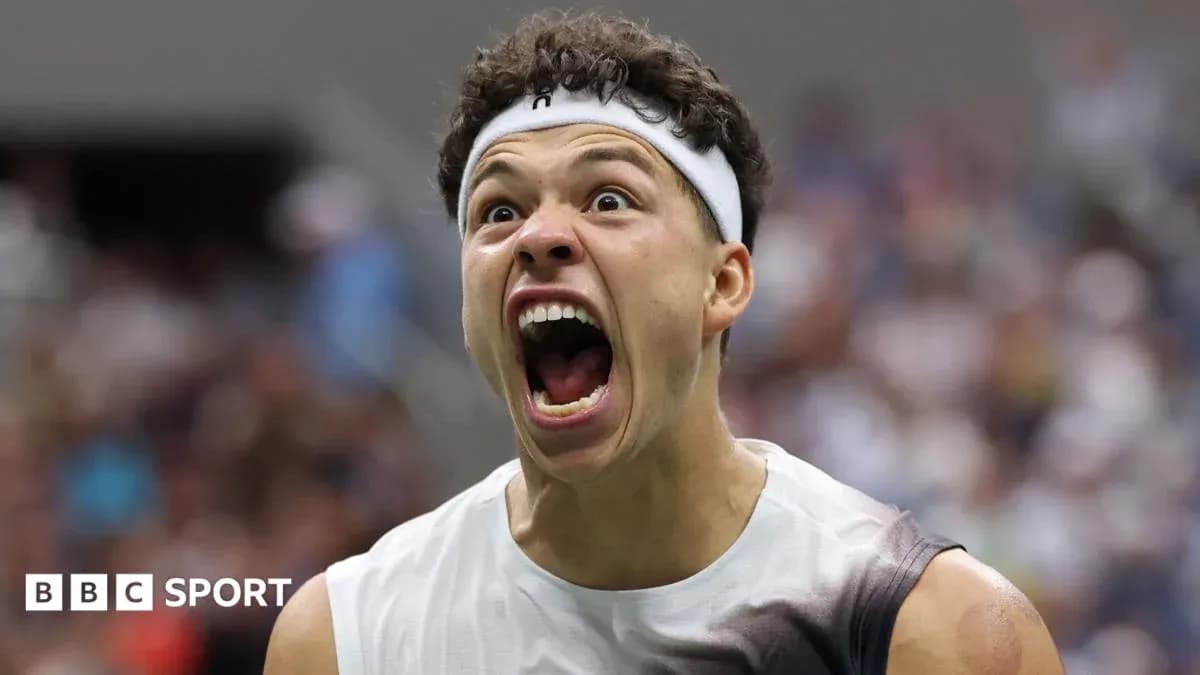
At the centre of it all stand two men’s semi-finalists: Ben Shelton and Alexander Zverev. Both have thrilled the late-night crowds. Both have paid a heavy price for it.
Zverev’s semi-final with sleep
For Zverev, the top seed, this has become a warped version of a Grand Slam. Three of his five matches have finished after 1am. His body clock has been dragged halfway around the world without leaving Manhattan.
"I've been to bed as late as 6:45am in the past week so I'm kind of a bit jet-lagged," he admitted. "I feel like I'm playing the Australian Open in New York right now."
That is not an exaggeration. He did not get to bed until after 5am following each of his opening three wins at Flushing Meadows. On his supposed night off, he stayed up to watch Shelton’s quarter-final against Carlos Alcaraz – a match that did not wrap up until 3:34am on Wednesday, the latest finish in US Open history.
Now comes a jarring shift. Friday’s semi-final against Karen Khachanov, scheduled not before 15:00 local time, will be the first time Zverev has played in daylight at this year’s tournament. After a fortnight of nocturnal tennis, he has to snap back into a normal rhythm overnight.
Across the net will be a man whose schedule has looked far more humane.
Khachanov and Shelton: same stage, different clocks
Khachanov, unseeded but unruffled, has not been kept on court beyond midnight. His quarter-final against Alexander Blockx ended shortly before 19:00 on Wednesday. He left Arthur Ashe Stadium with an evening to recover, eat, sleep and reset.
The contrast with Zverev is stark. One has lived like a regular athlete. The other has been operating on a schedule closer to a nightclub DJ.
It is a similar story in the other semi-final. American eighth seed Shelton needed until 3:34am to close out Alcaraz in a gripping last-eight encounter. The crowd roared, the atmosphere crackled, the clock rolled past any sensible hour for elite sport.
Shelton now meets 11th seed Frances Tiafoe in Friday’s night session. Tiafoe’s path has been punishing in its own way – he needed five sets to beat fellow American Alex Michelsen – but he finished his quarter-final around 19:00 on Tuesday. He has enjoyed two full nights of regular sleep.
Shelton has had two days off court and insists he will be "all right". The science, though, is not on his side.
When the body says no
Matt Little, Andy Murray’s long-time strength and conditioning coach, has seen what these schedules do to a player. He watched Murray stagger off court at 4am at the 2023 Australian Open after an epic win over Thanasi Kokkinakis, then try to function on three hours’ sleep before returning to Melbourne Park around 11am.
"We can all relate to it – if you have one really bad night's sleep, you have the knock-on effect of that for the coming days," Little told BBC Sport. "The advantage of the opponent who has played earlier in the day will be big – they've had that full evening's rest and a good night's sleep."
For Shelton, Little’s prescription is blunt and practical. "He'll have to be napping to catch up some sleep," he said. On top of that comes a nutritional scramble: as many carbohydrates and as much protein as possible, aggressive hydration, and an attempt to stitch together something resembling a routine.
"It’s about making sure you can optimise the hydration and get as much sleep as possible without completely going into a full slumber," Little explained. In other words: survive the chaos without letting your body think the tournament is over.
A problem tennis can’t ignore
Murray called his 4am finish in Melbourne a "farce". Few argued. The outcry forced change. The Australian Open reduced the number of day-session matches on the main courts from three to two, trying to stop night sessions from being repeatedly pushed back.
The tours have moved too. In early 2024, the ATP and WTA introduced rules preventing tour-level matches – played over three sets – from starting after 23:00. But Grand Slams sit outside that framework. Their five-set marathons, their TV deals, their packed schedules remain untouched.
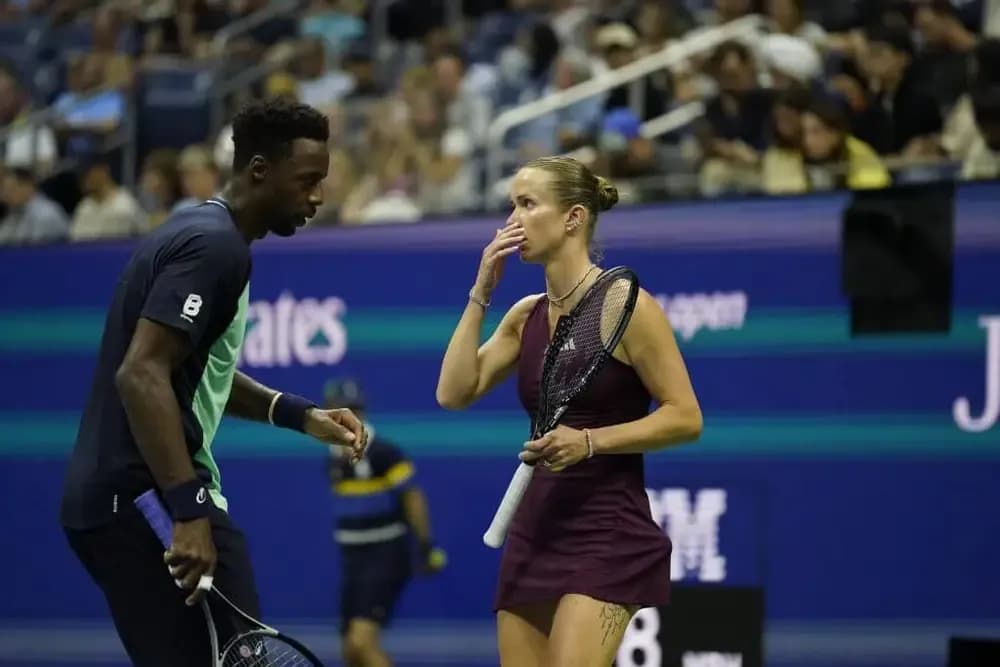
Flushing Meadows has pushed that freedom to the limit this year. Venus Williams and Sofia Kenin did not start their first-round match until 12:13am – the latest start in US Open history. Three matches in the first seven nights finished after 2am, three more after 1am. Shelton’s win over Alcaraz set a new benchmark for lateness.
"Something has got to give," said 18-time Grand Slam singles champion Martina Navratilova. "This is not OK and it is not normal."
Yet for some, this is precisely what makes the US Open unique. The rowdy New York crowd, the sticky late-summer air, the sense that anything can happen under the lights – these nights have become part of the tournament’s mythology.
The cost of the show
Tuesday’s 3:34am finish came from a perfect storm. All three preceding quarter-finals on Arthur Ashe Stadium – Aryna Sabalenka over Linda Noskova, Jessica Pegula’s win against Emma Navarro, and Tiafoe’s five-set epic against Michelsen in between – went the distance. The schedule collapsed in on itself.
The result: players leaving the grounds as dawn broke, recovery plans shredded, preparation for the biggest matches of their careers compromised.
New York loves its late shows. Tennis has embraced them. The question now is whether the sport is prepared to keep asking its stars to perform at 3am – or whether this US Open will be remembered as the year the night finally went too far.