US Open: When Late Matches Compromise the Game
New York never sleeps. This year’s US Open has taken that slogan and pushed it to the edge of sporting logic.
Matches have bled into the small hours, players have walked off court closer to sunrise than midnight, and while the city hums along, the tournament is grappling with a simple question: at what point does the spectacle start to compromise the sport?
Semi-finalists living on New York time – and then some
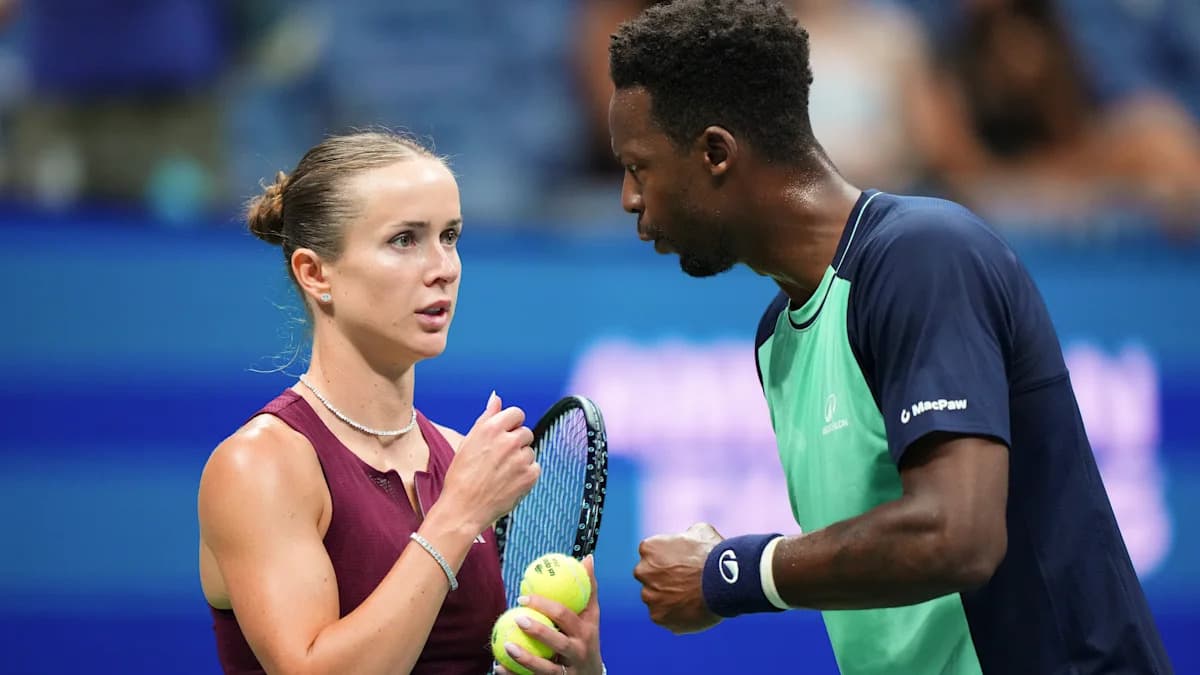
Alexander Zverev, the top seed, has spent the fortnight playing tennis on a schedule closer to a nightclub DJ than an elite athlete. Three of his five matches have finished after 1am. One night he didn’t get to bed until 6:45am.
"I've been to bed as late as 6:45am in the past week so I'm kind of a bit jet-lagged," he said. "I feel like I'm playing the Australian Open in New York right now."
On Friday, his semi-final against Karen Khachanov (not before 15:00 local time/20:00 BST) will be his first day match of the tournament. That alone feels remarkable.
Across the net, Khachanov arrives with a very different body clock. The unseeded Russian has not been on court beyond midnight once. His quarter-final against Alexander Blockx wrapped up shortly before 19:00 local time on Wednesday. Dinner, recovery, sleep. A normal athlete’s rhythm.
Zverev, by contrast, staggered into the early hours after each of his opening three wins at Flushing Meadows, then stayed up on his night off to watch Ben Shelton’s marathon victory over Carlos Alcaraz. The German is chasing a Grand Slam title while fighting what feels like permanent jet lag in his own time zone.
Shelton and Tiafoe ride the night shift
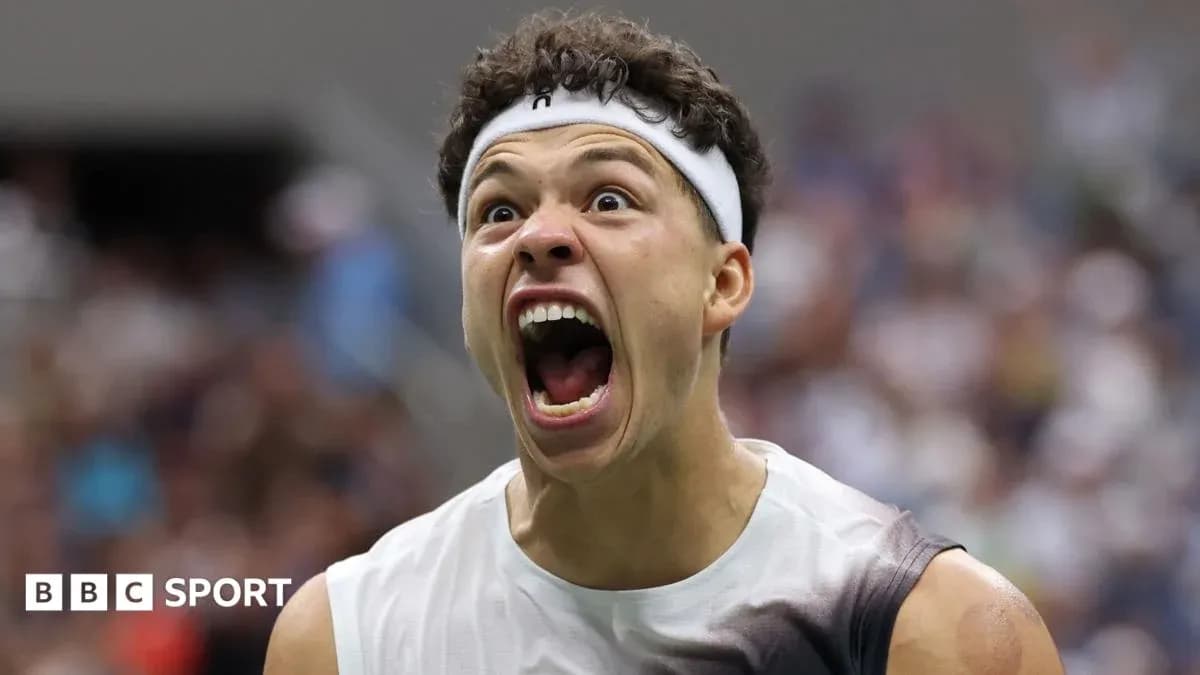
Shelton knows the graveyard shift as well as anyone in this draw. The American eighth seed didn’t complete his quarter-final win over Alcaraz until 3:34am on Wednesday – the latest finish in US Open history.
Two days later, he will walk back into Arthur Ashe Stadium for a night-session semi-final against Frances Tiafoe (19:00 local time/00:00 BST, Sat). The schedule offers him a breather on paper. In reality, his body is still trying to work out what happened.
Shelton insists he will be "all right" after those two days off. The science is less forgiving.
"The advantage of the opponent who has played earlier in the day will be big - they've had that full evening's rest and a good night's sleep," said Matt Little, long-time strength and conditioning coach to Andy Murray, speaking to BBC Sport. "We can all relate to it - if you have one really bad night's sleep, you have the knock-on effect of that for the coming days."
Tiafoe, the 11th seed, closed out his five-set epic against compatriot Alex Michelsen at a much more civilised hour – around 19:00 on Tuesday. He slept, reset, and watched the chaos unfold from a distance.
Shelton will have to repair the damage. "He'll have to be napping to catch up some sleep," Little said. The American’s team will lean on nutrition and routine: loading up on carbohydrates and protein, locking in hydration, and squeezing in rest without tipping into a deep daytime slumber that wrecks the next night’s timing.
When late finishes stop being theatre
Murray has already lived the extreme. At the 2023 Australian Open he walked off court at 4am after beating Thanasi Kokkinakis in one of the longest and latest matches in Grand Slam history. He slept for just three hours before returning to Melbourne Park around 11am. Later, he called the situation a "farce". Few argued.
Tournament organisers took notice. The Australian Open trimmed its day-session schedule on the main courts from three matches to two, trying to prevent night sessions from being pushed so deep into the night.
The tours have followed with their own guardrails. Early in 2024, the ATP and WTA introduced rules preventing three-set tour matches from starting after 23:00. Those protections, though, stop at the Slam gates. The majors still write their own timetables.
At this US Open, that freedom has produced some surreal scenes. Last week, Venus Williams and Sofia Kenin walked onto court for their first-round match at 12:13am – the latest start in tournament history. It was one of three matches to finish after 2am in the first seven nights, with three more drifting beyond 1am.
Shelton’s win over Alcaraz pushed the boundary again, setting a new record for the latest finish in New York. By the time the last ball was struck, the city’s early commuters were only a couple of hours from their alarms.
"Something has got to give," said 18-time Grand Slam singles champion Martina Navratilova. "This is not OK and it is not normal."
The romance of the night – and its cost
There is another side. Ask some fans, and they will tell you these nights are the essence of the US Open: floodlights blazing, crowds roaring, the hum of the subway outside, and champions trading blows while the clock marches past midnight. It is tennis as New York theatre.
The numbers this year show the theatre has become a habit. The volume of early-morning finishes has climbed at Flushing Meadows over this fortnight. Tuesday’s schedule, which finally ended at 3:34am on Wednesday, was a perfect storm: three women’s quarter-finals on Arthur Ashe – Aryna Sabalenka v Linda Noskova, Jessica Pegula v Emma Navarro, with Tiafoe v Michelsen in between – all went the distance.
Every epic pushed the next match deeper into the night. Every cheer in the stands added minutes to the clock for the players waiting in the locker room.
The romance of the late show is undeniable. So is the toll. As Zverev, Shelton and the rest chase a major title on minimal sleep, the US Open must decide how much more it is willing to ask of its stars in the name of the city that never sleeps.