US Open Finals Weekend: Skupski, Sabalenka, Shelton, and Zverev Compete for Glory
Finals weekend at the US Open is rolling into its decisive act, and Arthur Ashe Stadium is bracing for a long, charged day of tennis.
Skupski hunts second major of the season
Before the spotlight swings fully onto the women’s singles final, the men’s doubles title is on the line – with British interest right at the heart of it.
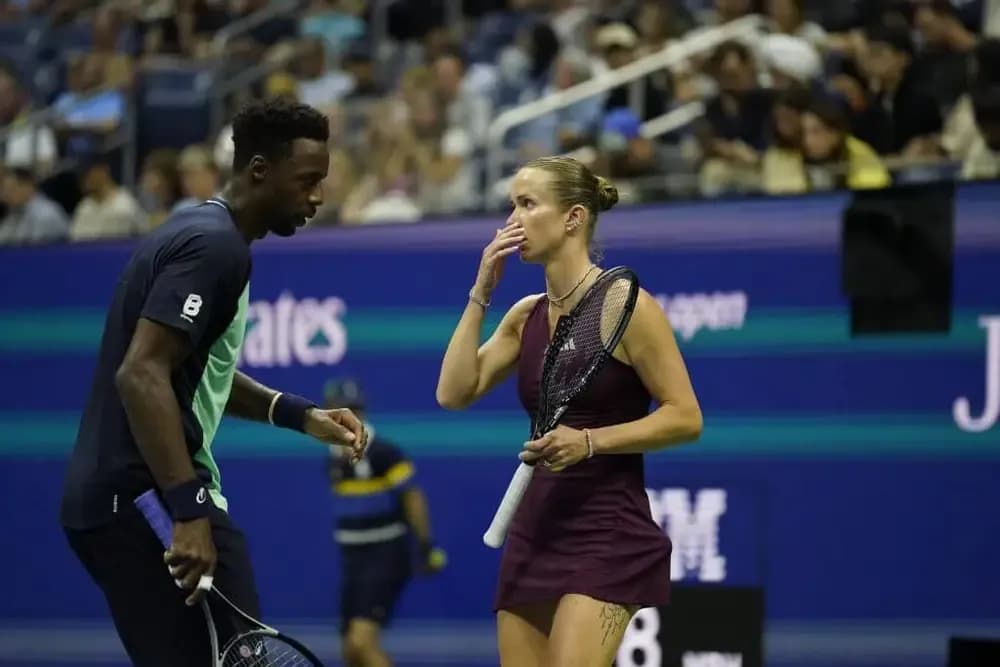
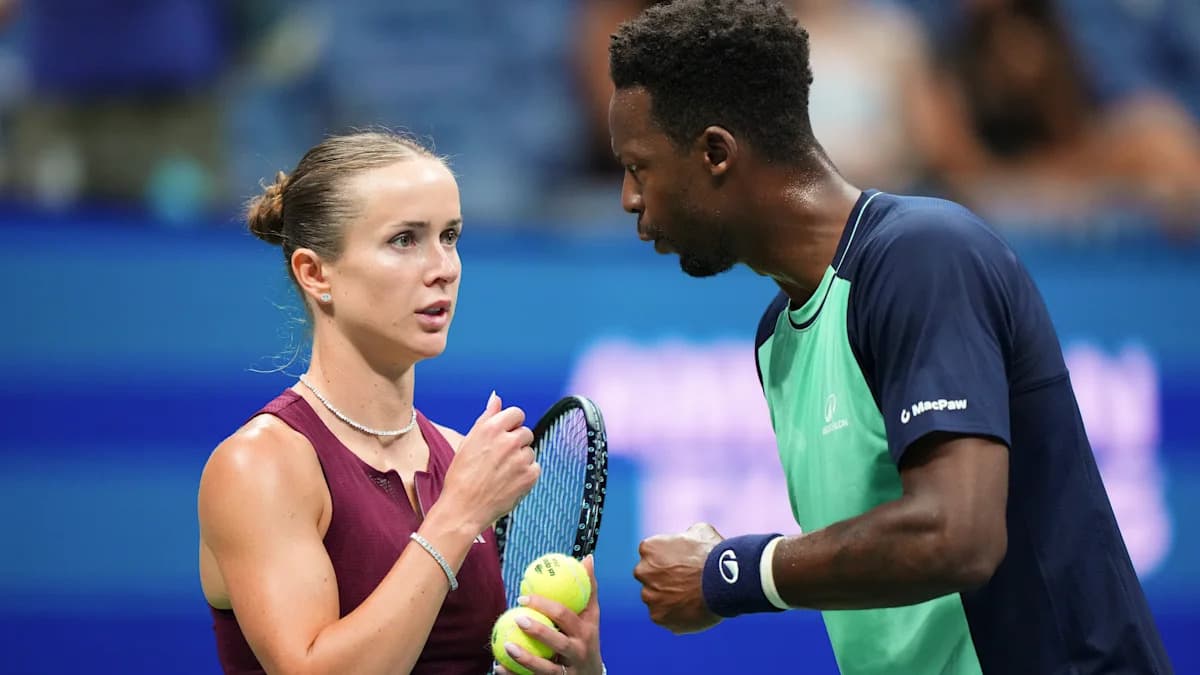
Neal Skupski and his American partner Christian Harrison, already owners of one major this year after their Australian Open triumph in January, are back on a Grand Slam stage far sooner than many expected when they first joined forces. That Melbourne title came just weeks into their partnership. Now, as the No. 6 seeds in New York, they walk out at 12pm local time (5pm UK) with a chance to crown a breakout season with a second slam.
Standing across the net is a seasoned German pair who know exactly how to navigate these occasions. Kevin Krawietz and Tim Puetz have built a reputation as one of the most efficient and composed duos on tour, and they arrive on Ashe with the calm assurance of a team that has done this before.
Skupski and Harrison bring momentum and chemistry; Krawietz and Puetz bring pedigree and scars from battles survived. It’s a classic doubles clash: one team rising, one team established, both with a major on the line.
Sabalenka defends “her house” against new No. 1
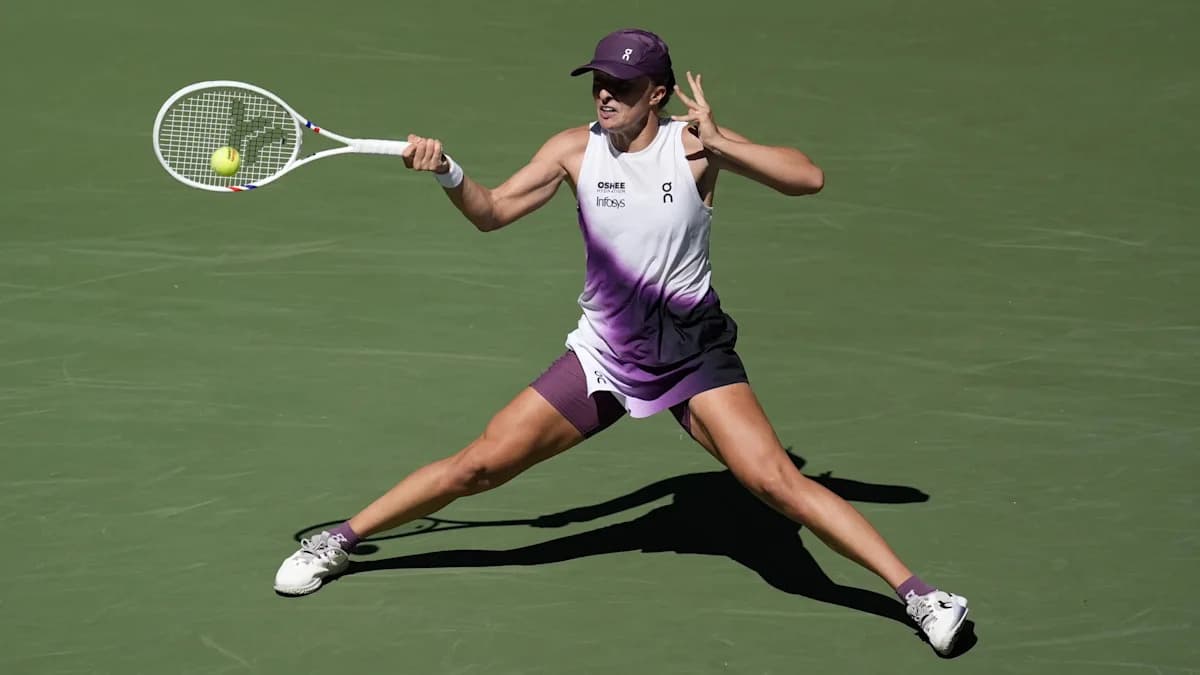
When the doubles dust settles, the main event takes over. Aryna Sabalenka against Elena Rybakina for the women’s title, under the lights, on the biggest court in tennis.
Sabalenka is chasing history. Two straight US Open titles already in her pocket, she now aims for a third in a row, a statement of dominance at Flushing Meadows that would place her in rare company. The twist? To do it, she has to beat the woman who just took her world No. 1 ranking.
Rybakina arrives with that fresh status and a game built for hard courts: flat, piercing groundstrokes, a serve that can bulldoze through tension, and the quiet steel of a player who doesn’t need theatrics to impose herself.
Sabalenka, though, has drawn a line around this tournament. Her performance coach, Jason Stacy, put it bluntly after she reached a fourth straight final in New York.
“The way I like to put it, no disrespect to anybody, is that, like, this is her house, and all the other girls are just guests, and it’s time for them to go home,” he said, laying out the mindset that has carried her this far.
He went deeper into the philosophy that drives her.
“Her showing up and understanding that, hey, it’s her job to dictate the pace, to understand what her strategy is, and to not go to the level of the person across the net, not to meet them where they’re at, but I’m here to just do my job, and that’s it.”
That is the battle line. Rybakina, the new No. 1, trying to plant her flag on Sabalenka’s favourite territory. Sabalenka, the two-time defending champion, treating this court as home ground she refuses to surrender.
Rodman’s scheduling clash with Shelton’s biggest day
Away from the baseline rallies and service bombs, one of the more human subplots of this US Open final weekend sits with Ben Shelton and Trinity Rodman.
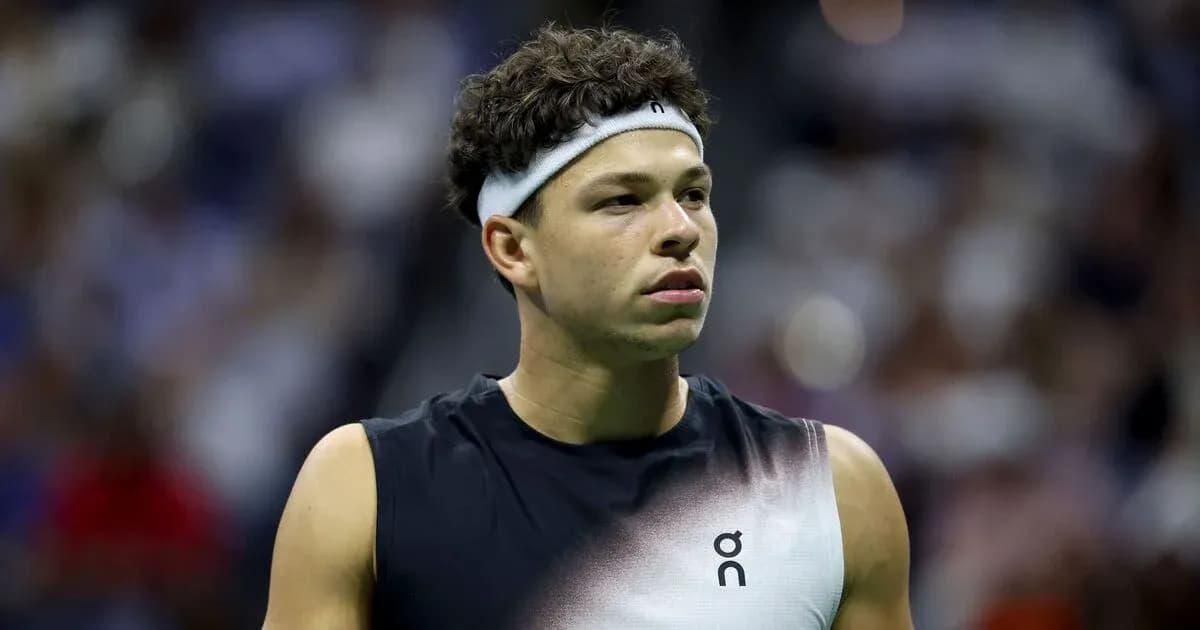
Shelton, the American star with the booming lefty serve and a place in the men’s final against Alexander Zverev, is living the biggest moment of his tennis career so far. Ordinarily, this is the kind of night where partners, family, and friends drop everything to be in the stands.
Rodman, though, has her own career to protect. The Washington Spirit forward is due to play for her club in their clash with Boston Legacy at the same time as Shelton walks out for his US Open final. Two elite athletes, two major fixtures, one calendar.
Everyone wants to be there for milestone nights. Not everyone can. For Rodman, “pulling a sickie” would mean stepping away from her own professional responsibilities. For now, the schedule shows no mercy.
Zverev’s turnaround and a late-night reset
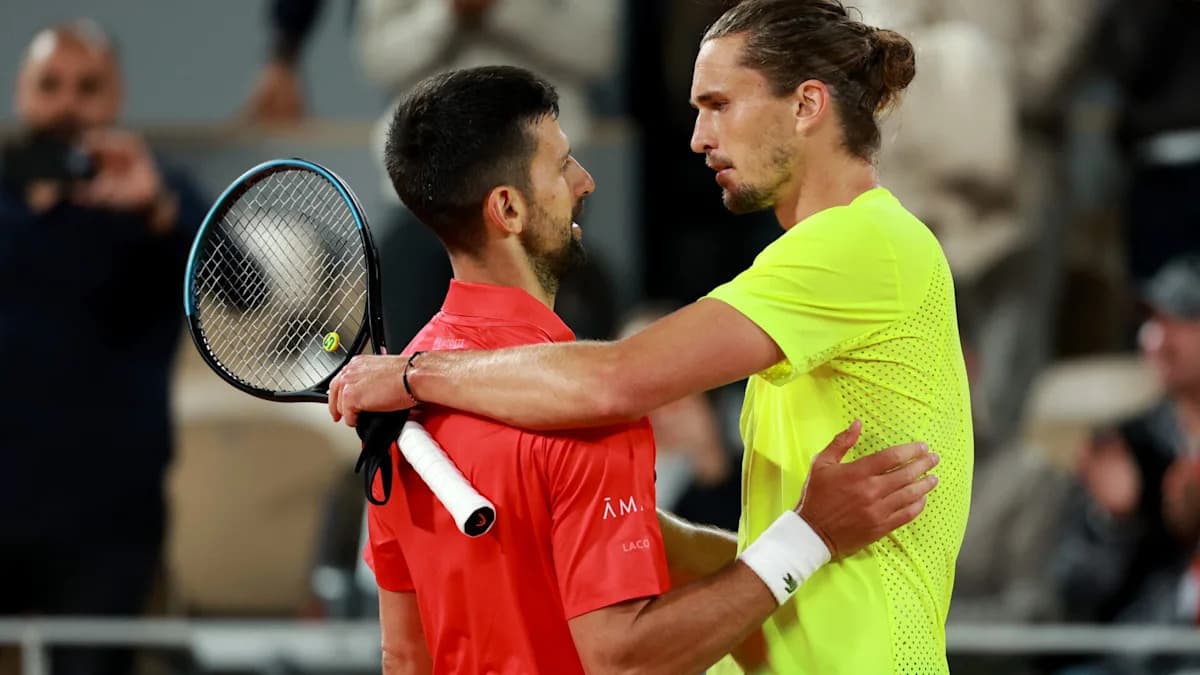
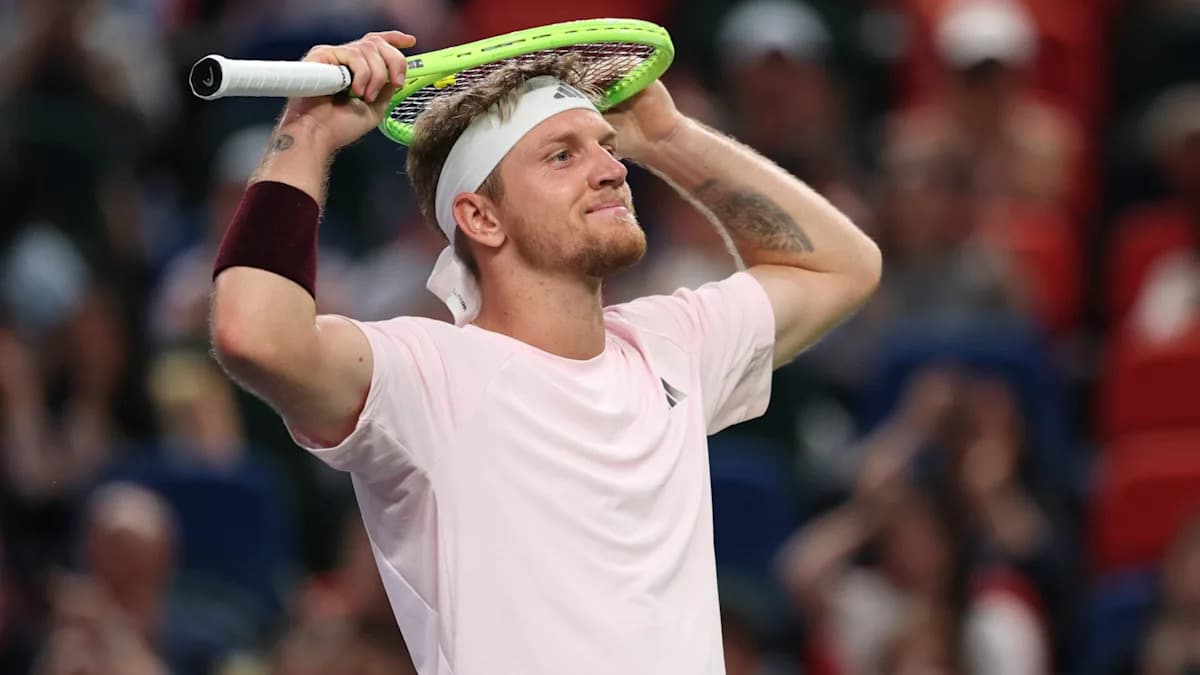
On the other side of the net from Shelton stands Alexander Zverev, who has quietly put together a remarkable run. The German has reached his third Grand Slam final in a row, a sequence that underlines a new level of consistency at the very top of the men’s game.
It hasn’t all been smooth. Zverev himself admitted that his level early in the tournament was far from convincing. After a second-round match that finished at 3am, he and his team found themselves in the dressing room reacting not with anger, but with laughter.
“After the second round at 3am, me and my team were in the dressing room actually laughing at how bad I was playing. That sense of humour helped me,” he said after booking his place in the final.
Then came the understated punchline.
“I have improved a little bit, otherwise I wouldn’t be in the US Open final.”
From late-night struggles to a Sunday shot at the trophy, Zverev has used that looseness to reset and climb. Now he faces the raw firepower and fearlessness of Shelton on one of the sport’s grandest stages.
Shelton’s flashpoint with the umpire
Shelton’s path to the final has not been without friction. In his semi-final against Frances Tiafoe, the American lost his composure during a dispute with chair umpire Aurelie Tourte.
The incident came when Tourte allowed Tiafoe to replay a point. Shelton, furious with the timing of the call, marched to the umpire’s chair and made his case, insisting she had intervened too late.
Tourte explained that Tiafoe had put his hands up, prompting the retake. Shelton was unconvinced.
“Why did you not say something then? How are you going to call it after. You’ve got to say something immediately,” he snapped, frustration spilling out on a night heavy with pressure.
He still found a way through the match. Now the question is whether that same fire can be channelled into composure when the stakes rise again in the final.
Eala faces tough WTA call over Asian Games
Beyond New York, another story is unfolding in the corridors of the WTA calendar, and it could cost Alex Eala valuable ranking ground.
The Filipino talent is reportedly unlikely to receive a WTA exemption to compete at the Asian Games, which clash with a mandatory WTA 1000 event in China. Without that exemption, skipping the Beijing tournament would mean a hit to her ranking points.
Eala is not alone in this bind. Janice Tjen, world No. 36 from Indonesia and a fellow Southeast Asian player, has already gone public with her own setback. In a statement on Instagram, Tjen confirmed that the WTA had denied her request for an exemption to play the Asian Games.
“After a lot of consideration, I’ve had to make the difficult decision that I won’t be able to compete at the Asian Games this year which take place at the same time as the mandatory WTA 1000 event in Beijing,” she wrote.
“We have received confirmation from the WTA that unfortunately, I have not been granted an exemption to compete at the Asian Games.”
For players like Eala and Tjen, the choice is brutal: national colours at a major multi-sport event, or vital ranking protection at a mandatory tour stop. The ruling tilts the scales heavily towards the WTA schedule, and leaves the Asian Games dream on hold.
Back in New York, though, there is no split focus. Titles, rankings, reputations – all of it funnels into a single weekend. By the time the lights go out on Arthur Ashe, we will know whether Sabalenka keeps “her house,” whether Skupski and Harrison turn a fast-start partnership into a two-slam season, and whether Shelton or Zverev walks away with a career-altering win.