UFC 331: Shock and Statement Wins in Los Angeles
The lights in Los Angeles burned hot on Saturday night, but UFC 331’s card somehow ran even hotter. Knockouts, statement performances, and a jaw-dropping upset turned what looked like a solid event on paper into the kind of chaotic, can’t-look-away spectacle that will be replayed for months.
And at the center of the shockwaves: Gable Steveson’s 12-second nightmare, watched in disbelief by Jon Jones.
Jon Jones Watches a 12-Second Stunner
Gable Steveson walked into UFC 331 as one of the most hyped crossover athletes in recent memory. Olympic gold. Blue-chip prospect. The kind of résumé that makes matchmakers dream and veterans raise an eyebrow.
Twelve seconds later, the narrative lay in ruins.
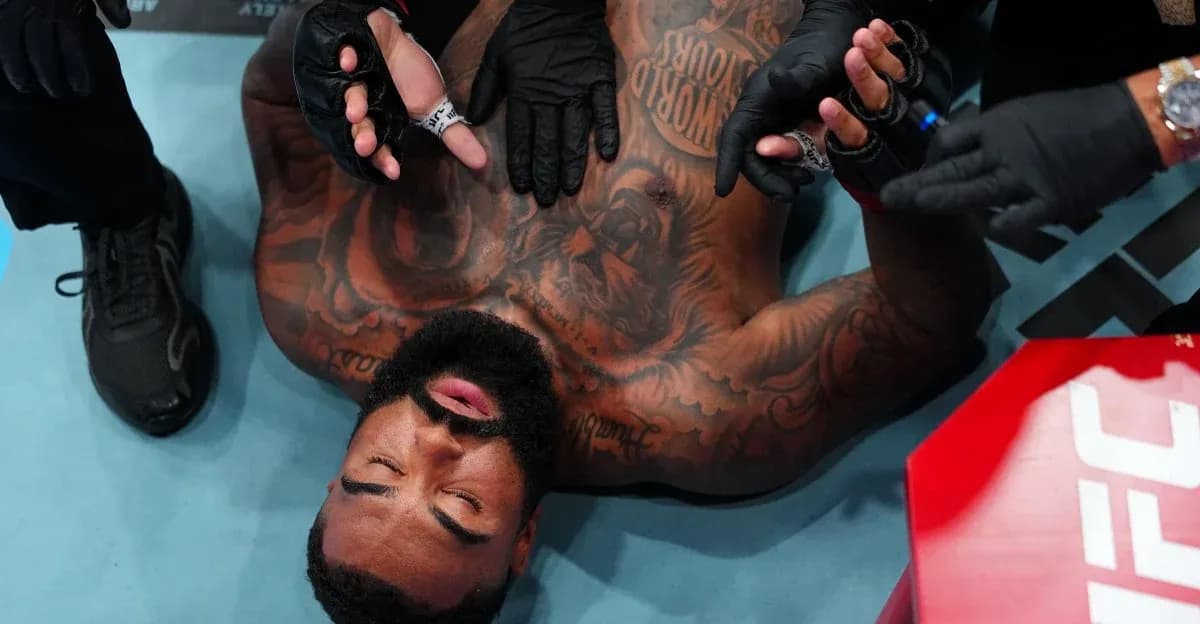
Steveson suffered a stunning 12-second knockout loss, the sort of brutal, blink-and-you-miss-it finish that instantly rewrites careers. Cameras quickly found Jon Jones cageside, and his reaction told the story better than any commentary. Eyes wide, jaw dropped, a look that mixed shock, sympathy, and the realization that even the most decorated athletes can be humbled in a heartbeat inside the Octagon.
No words were needed. One of the greatest fighters ever looked on as a fellow phenom learned the hardest lesson this sport offers: reputation doesn’t protect you from power.
The upset will follow Steveson for a long time. How he responds will define whether this is a footnote or the first crack in a grand plan.
Alonzo Menifield vs. Iwo Baraniewski: Power Meets Ambition
Earlier in the night, Alonzo Menifield and Iwo Baraniewski delivered the kind of fight that reminds everyone why light heavyweight remains one of the UFC’s most dangerous divisions.
Menifield, long known for his explosive power, stepped in looking to prove he’s more than just a heavy hitter. Baraniewski, hungry and ambitious, treated the bout like his ticket into the rankings conversation.
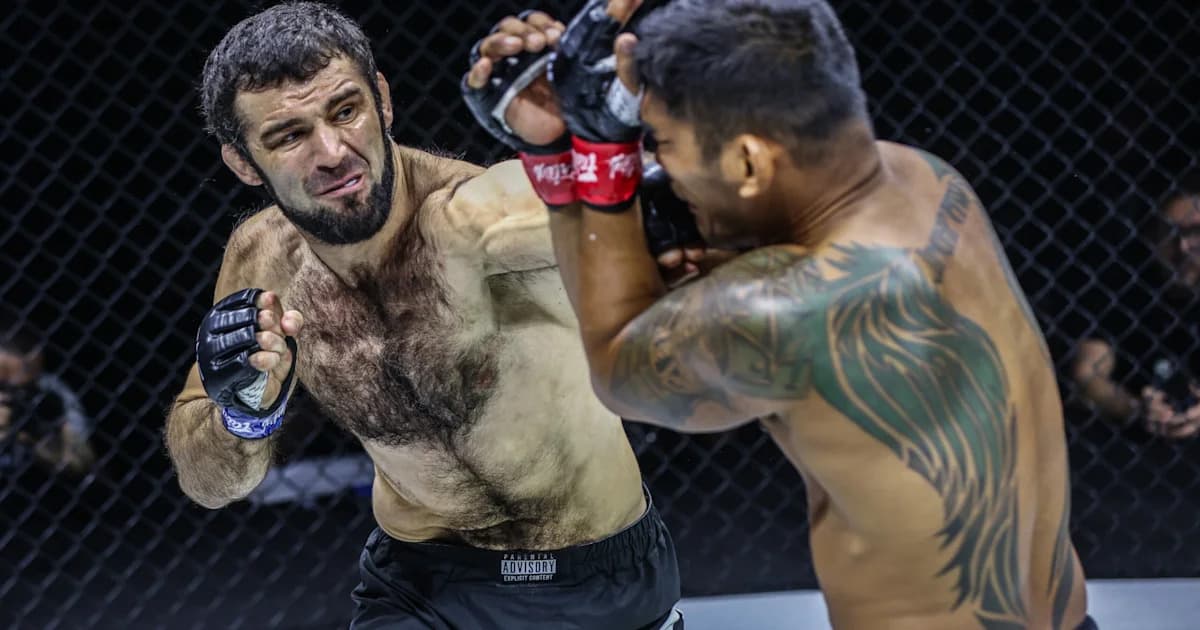
The exchanges were tense, every punch thrown with bad intentions. Menifield stalked, Baraniewski fired back, and the momentum swung in sharp bursts. Whenever Menifield closed the distance, the threat of a fight-ending shot hung over the cage. Baraniewski tried to answer with volume and movement, refusing to be a stationary target for long.
By the final horn, both had worn the marks of a hard night’s work. Menifield reinforced his reputation as a danger to anyone who dares stand in front of him. Baraniewski, even in defeat or adversity, showed enough grit and skill to suggest he’ll be back on a main card sooner rather than later.
Marlon Vera vs. Charles Jourdain: Craft vs. Chaos
Marlon Vera and Charles Jourdain brought very different energies into their clash, and that contrast produced one of the card’s most compelling battles.
Vera, the hardened contender, fought with a familiar cold focus. Every step, every feint, carried purpose. Jourdain, by contrast, leaned into his flair — angles, kicks, and a willingness to throw something unexpected at any moment.
The fight simmered early. Jourdain tried to spark chaos with his creativity, but Vera’s patience kept him grounded. When Vera began to read the timing, his counters grew sharper. Leg kicks bit. Straight shots snapped Jourdain’s head back. The pressure built, slowly but relentlessly.
Jourdain never stopped trying to shift the rhythm, launching combinations and spinning attacks, but Vera’s experience showed in the key moments. When exchanges got messy, Vera usually landed the cleaner, more telling blows.
It was a fight that won’t fade quickly from memory: Jourdain’s bravado against Vera’s ruthless efficiency. One man chasing a breakthrough, the other guarding his place near the top.
Ryan Gandra vs. Osman Diaz: A Hard Lesson in the Fire
Ryan Gandra and Osman Diaz fought the kind of contest that rarely grabs the headlines yet quietly shapes careers.
From the opening bell, both men understood what was at stake. This was about more than a win; it was about proving they belong on this stage.
Diaz brought pressure and physicality, trying to bully his way into favorable positions. Gandra answered with technique and composure, looking to punish every mistake. Scrambles turned frantic. Striking exchanges swung back and forth, with neither man willing to concede ground.
At times, it felt less like a tactical battle and more like a test of will. Each time one fighter seemed to gain momentum, the other clawed it back with a timely combination or a well-timed takedown.
Nights like this don’t always produce instant stars, but they do reveal who’s built to endure the grind. Both Gandra and Diaz left the cage with scars and valuable experience, the kind that can turn prospects into true professionals.
Casey O’Neill vs. Eduarda Moura: A Statement in the Women’s Ranks
Casey O’Neill and Eduarda Moura arrived at UFC 331 with a shared goal: climb a crowded division and force the matchmakers to say their names a little louder.
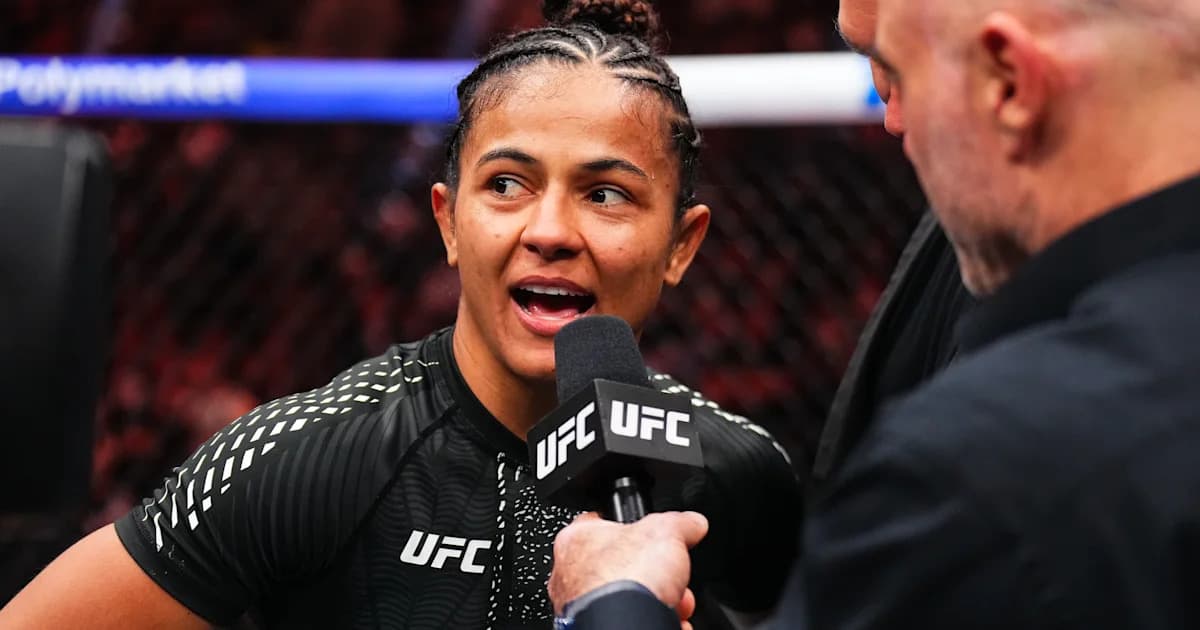
O’Neill leaned on her trademark aggression. She marched forward, forcing Moura to react, not initiate. Jabs and combinations set the tone, and whenever the distance closed, O’Neill looked to impose herself physically, making every clinch feel like a battle.
Moura refused to fold. She fired back with sharp counters and tried to drag the fight into her preferred ranges, whether that meant trading in the pocket or looking for grappling opportunities. The contest became a tug-of-war over tempo — O’Neill trying to keep the pace high, Moura seeking the moments to slow things down and reset.
As the minutes ticked by, O’Neill’s pressure and output stood out. She made it clear she’s not content to linger in the middle of the pack. Moura, even under fire, showed she belongs in these matchups, but O’Neill’s urgency hinted at bigger ambitions.
Joanderson Brito vs. Giga Chikadze: Violence and Technique at Featherweight
Few matchups on the card carried the quiet intrigue of Joanderson Brito vs. Giga Chikadze. Stylistically, it promised violence. It delivered.
Chikadze’s striking pedigree is no secret. The kicks, the timing, the ability to punish even small lapses — all of it was on display. Brito knew he couldn’t sit at range and wait. He stepped forward with conviction, mixing aggression with calculated risk, trying to drag Chikadze into uncomfortable territory.
The result was a tense, high-level battle. Every Chikadze kick drew a sharp intake of breath from the crowd. Every Brito surge forward threatened to flip the script. When Brito closed the distance, he forced Chikadze to defend, clinch, and think, not just snipe from the outside.
The fight showcased two very different approaches to winning at featherweight: Chikadze’s surgical precision against Brito’s relentless pressure. It was the kind of clash that reminds the division there are no easy nights for anyone with a number next to their name.
UFC 331 didn’t just fill a date on the calendar. It reshaped trajectories. A hyped phenom fell in seconds under the stunned gaze of Jon Jones. Veterans and hopefuls alike staked their claims in blood and sweat.
The only real question now: when these fighters return from Los Angeles, who uses this night as a launchpad, and who finds it lingering as a turning point they can’t afford to repeat?