.svg&w=384&q=75 "logo")
Trophy Tension: India, Pakistan, and the Mohsin Naqvi Dilemma
The ACC Women’s Asia Cup 2026 was always going to be about Harmanpreet Kaur’s India, their dominance, and the hunt for another continental crown. Now there’s a second storyline waiting in the Dubai night: the trophy itself, and who hands it over.
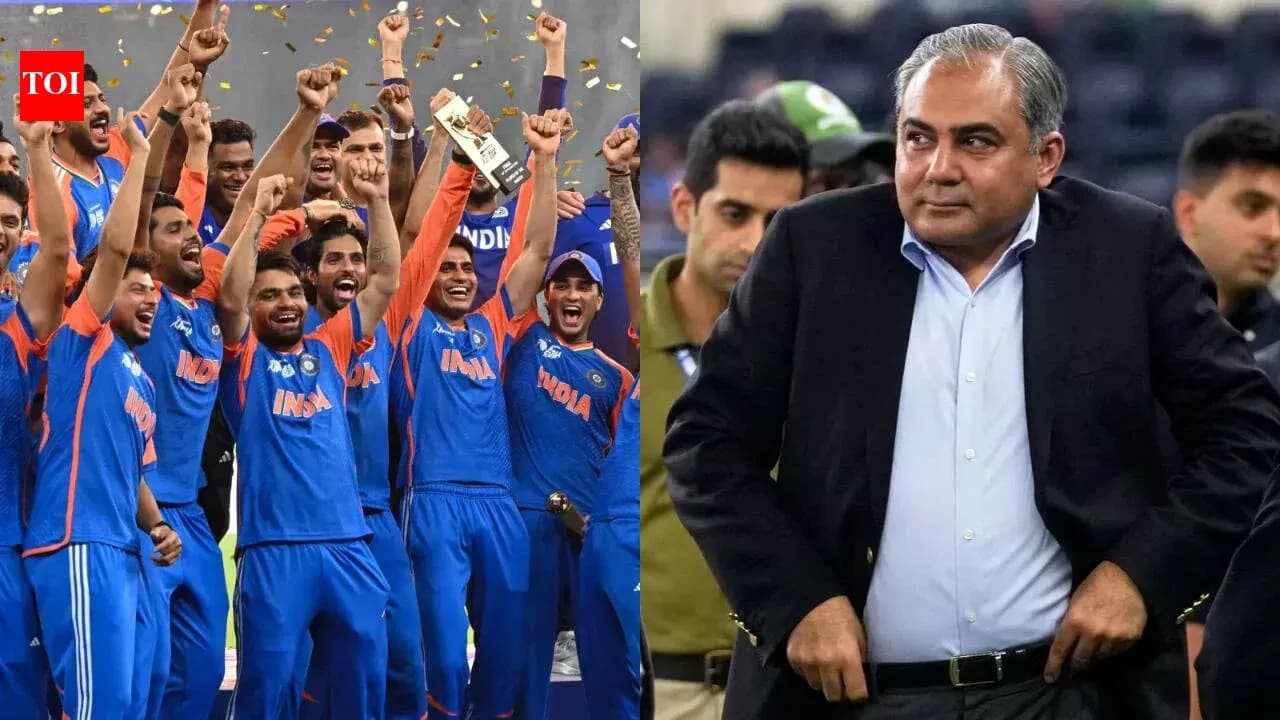
Mohsin Naqvi, chairman of the Pakistan Cricket Board and president of the Asian Cricket Council, is expected to be the chief guest at the final on September 13, according to Geo Super. On paper, it’s routine protocol. The ACC president presents the silverware. The champions lift it. Photos, fireworks, done.
But this is India and Pakistan. And this is Mohsin Naqvi.
A Final With More Than One Script
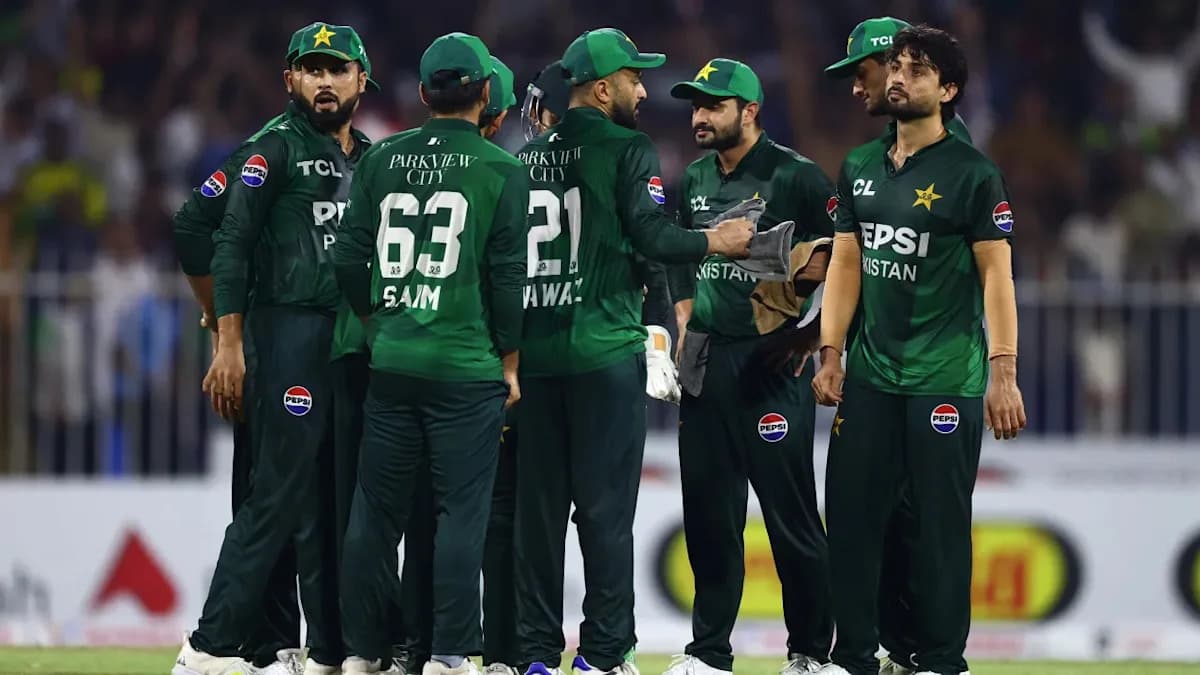
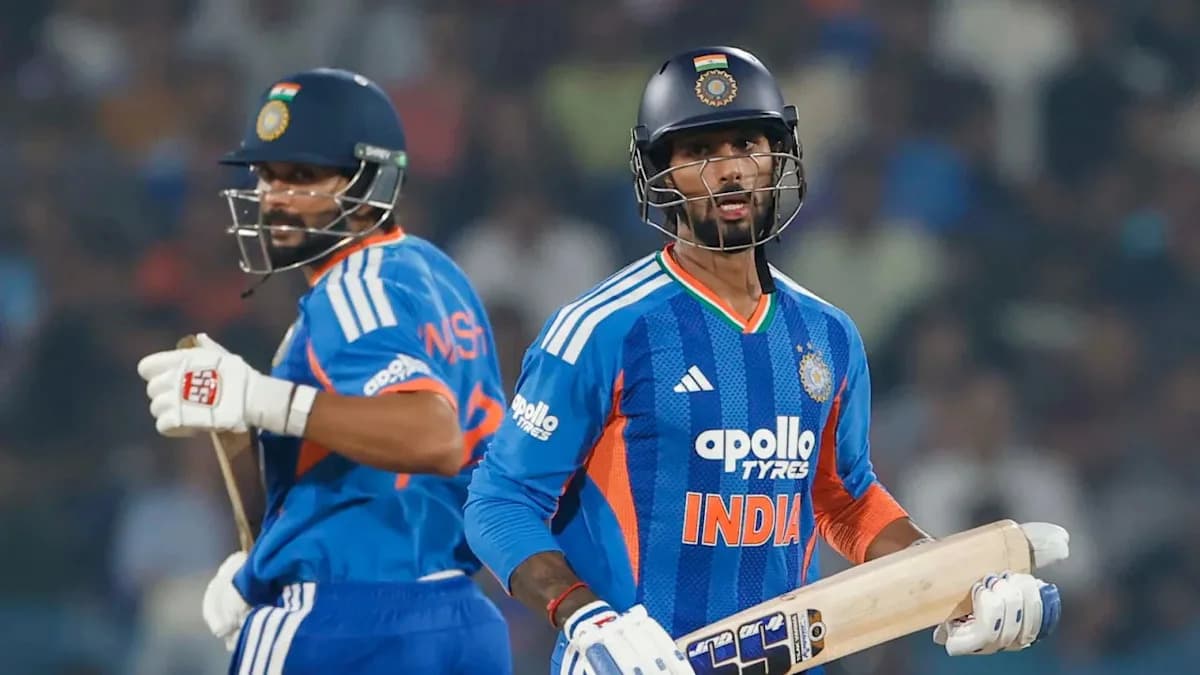
If India complete their unbeaten run and reach the summit clash, the cricketing script is simple: Harmanpreet Kaur’s side, favourites from the outset, going for another title after brushing aside the field. They’ve already marched into the semi-finals without a blemish, swatting away Thailand and Hong Kong before dismantling Pakistan.
That Pakistan game in Dubai said plenty. India bowled out the Fatima Sana-led side for just 55, then chased the target with seven wickets in hand. It was ruthless, clinical, and loud enough to echo into the knockout rounds.
Yet hovering over a potential Indian triumph is a very different image: a podium, a trophy, and Naqvi standing a few steps away, arm outstretched.
The decision on whether to take it from him, if India win, will rest squarely with the players and team management. The BCCI has stayed silent. No signals, no hints, no pre-emptive positioning. Just a loaded silence as the tournament moves into its decisive phase.
The Night India Left Without Their Trophy
The unease is rooted in what happened last year, also in Dubai, also in an Asia Cup final.
On September 28, 2025, Suryakumar Yadav’s Indian men’s side beat Pakistan in the Men’s Asia Cup final at the Dubai International Stadium. The cricket was done. The wait then began.
The post-match presentation stalled for more than an hour. Discussions rumbled in the background over one issue: who would present the trophy. Naqvi, then as now, held both roles — PCB chairman and ACC president — and was the man in position to hand it over.
India refused.
The team celebrated their title on the podium without the silverware. No gleaming cup in the captain’s hands, no traditional lift. Naqvi left the stadium with the trophy, which still sits, undelivered, at the ACC office in Dubai.
That night was already charged. The tournament followed the Pahalgam terror attack, and Naqvi, serving as Pakistan’s Interior Minister at the time, had shared anti-India statements on social media during the competition. His presence at the final only sharpened the tension.
The image that lingered was extraordinary: champions without a trophy, and a trophy without champions.
The Power of the Presenter
By the ACC’s own structure, Naqvi is again front and centre.
As ACC president, he has the right to present the Women’s Asia Cup trophy. The tournament belongs to the council, and its chief is the natural face of the closing ceremony. His second hat, as PCB chairman, only adds a political charge to what is usually a ceremonial role.
That combination is what turns a routine handover into a potential flashpoint.
If India win, the world will look not just at the scoreboard but at the presentation stage. Does Harmanpreet step forward? Does the team accept the trophy from Naqvi? Or does women’s cricket produce its own version of last year’s standoff?
India’s Dominance, Mandhana’s Milestone
On the field, India have done everything to keep the narrative strictly about cricket.
Harmanpreet’s side opened with a solid win over Thailand, then moved through the gears against Hong Kong and Pakistan. The bowling attack has strangled opposition line-ups, and the batting has chased targets with a calm that suggests a team in complete control of its game.
There has been history too. Smriti Mandhana crossed a towering landmark during the tournament, overtaking Mithali Raj to become the leading run-scorer in women’s international cricket. It is the sort of record that usually defines a tournament’s coverage on its own.
Yet even Mandhana’s feat now shares space with a different kind of milestone: the possibility of a second consecutive Asia Cup where the champions and the trophy are separated by more than just a few steps on a podium.
A Final Stage Loaded With Subtext
With India already through to the semi-finals, the cricketing questions are familiar: Who can stop them? Can anyone disrupt their rhythm in the knockouts? Will Pakistan get another shot at them?
But Dubai is bracing for a different kind of question if the Women in Blue go all the way.
In a sport that lives on images — a captain lifting silver, confetti falling, teammates crowding in — the most telling picture of this Asia Cup might not come from a boundary or a wicket.
It might come from the moment Harmanpreet Kaur walks up to that podium and decides what to do with the hand that holds the trophy.