Top Tennis Players Halt Public Prize Money Dispute with Grand Slams
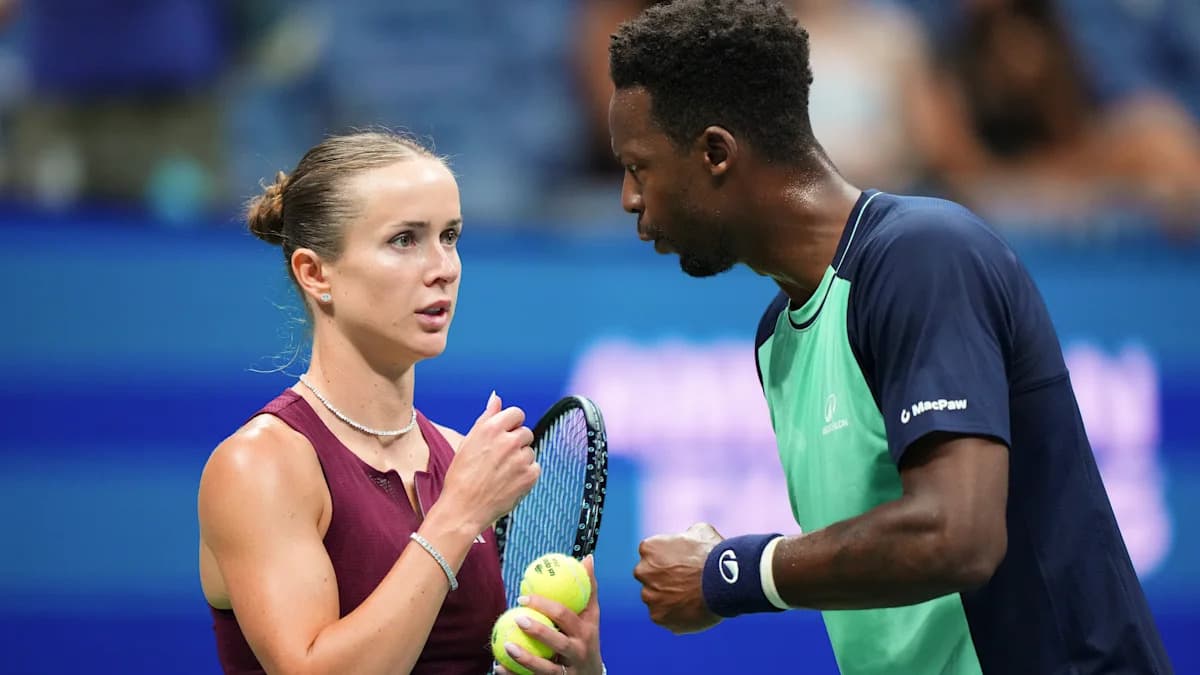
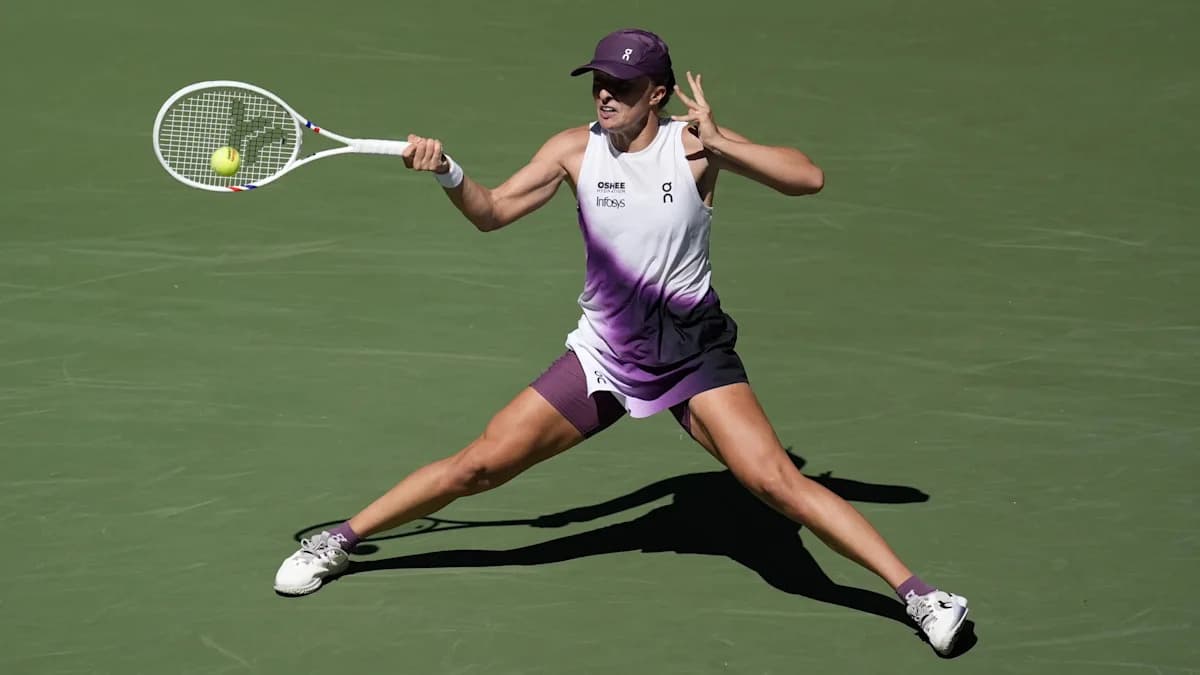
After nearly a year and a half of disagreement, leading tennis players have paused their public battle with the Grand Slam tournaments. Stars like world No. 1s Jannik Sinner and Aryna Sabalenka issued a joint statement pushing for better player welfare programs, the formation of an athlete advisory council, and a prize money share more aligned with other major tennis events.
In August, the Grand Slams responded by establishing the requested player advisory council, signaling progress for the athletes. This development helped bring the players back to negotiations, and on September 14th, they stopped public protests and media limitations.
Player Requests and Ongoing Talks
The creation of the advisory council marked a win, but discussions continue privately over issues like prize money percentages and welfare. The players want prize money to reach 22% of total tournament revenue by 2030, matching ATP and WTA 1000 event standards. Though the 2026 U.S. Open offered the biggest purse in tennis history at $108 million, it only accounted for about 18% of the event’s operating income. Other Grand Slams usually dedicate around 14-16% to prize funds.
Player welfare remains a growing concern. Jannik Sinner, one of the campaign's most vocal voices, suffered severe heat-related illness at this year's French and Australian Opens. Others such as Novak Djokovic, Casper Ruud, and Lorenzo Musetti have faced similar struggles during matches under extreme conditions.
Timeline of the Dispute
The conflict started with a formal proposal from players to Grand Slam officials on July 31st, 2025, initially focusing on prize money but later expanding to include welfare and the advisory council.
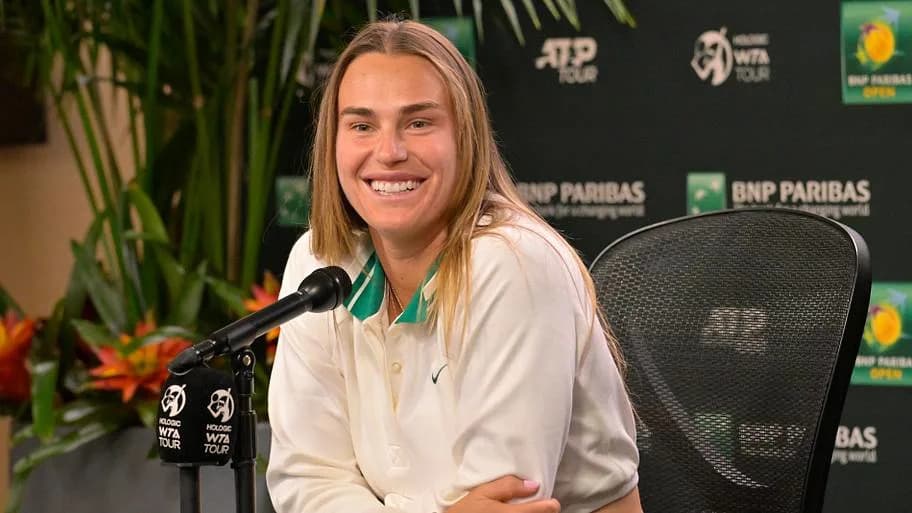
- May 2026: Players limited press conference times to 15 minutes, symbolizing their 15% share of Grand Slam revenue. Aryna Sabalenka notably cut her session short to emphasize the demand for fair earnings, especially for lower-ranked players.
- Following months: The 15-minute media rule stayed in place. Though boycotts were suggested, none occurred. Wimbledon almost saw a coordinated boycott but was avoided by last-minute talks.
- September 2026: Announcement of the player advisory council led to halting all public protests after the U.S. Open wrapped up.
Voices from the Tennis World
Carlos Alcaraz, ranked No. 2 in men’s tennis, initially supported the movement but stepped back before the U.S. Open. He prioritized health concerns over revenue sharing, recalling a late-night match finish that wore him down. Alcaraz mentioned plans to take longer breaks in the future, admitting it’s impossible to compete in every tournament.
"I'm going to take some breaks, maybe not four months, but one or two months, missing some tournaments," said Carlos Alcaraz.
Meanwhile, tennis legend John McEnroe called for stronger measures during the Laver Cup, suggesting boycotts of one or two Grand Slams to push for player partnership in the majors.
"Players should be partners in the majors," McEnroe said. "The fact that they’re not causes friction—they’re getting such a small part of the revenue."
Advisory Council Formation
By late September, a twelve-member advisory council was announced, evenly split between men and women players. Fans and athletes alike await to see if this group can drive the changes tennis players have sought for so long.
Additional Reading
- Novak Djokovic Talks Health and ATP Finals Return
- The Skill Behind Jannik Sinner's Serve
- Carlos Alcaraz Comments on Grand Slam Match Formats
- Novak Djokovic Returns to China Open After Years Away
- Jakub Mensik's Climb to ATP Top 20