Shakur Stevenson's Unexpected Exit from Zuffa and What It Reveals About Dana White's Boxing Influence
Three months and millions spent on negotiations ended with no fights, spotlighting a key flaw in Dana White’s boxing ambitions through Zuffa Boxing.
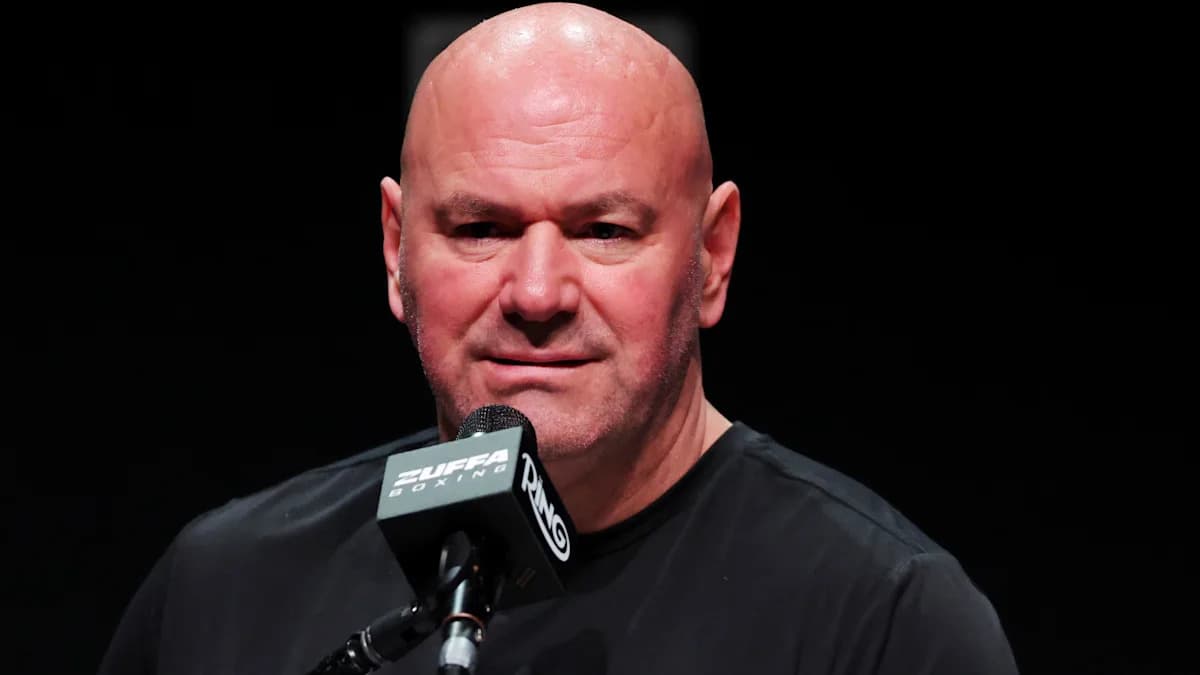
Eddie Hearn once warned that boxing is uncontrollable despite attempts to manage it. This year, when TKO, the parent company of UFC and WWE, launched Zuffa Boxing, that caution quickly proved true.
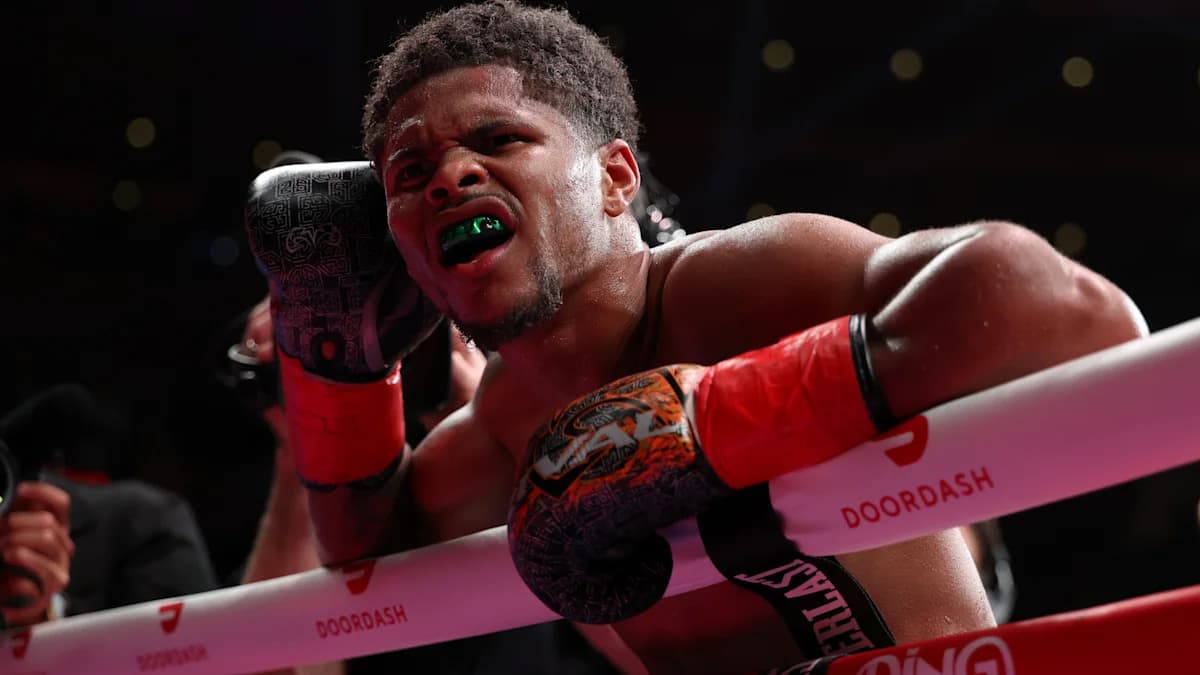
After signing Shakur Stevenson, the WBO super lightweight champion and Uncrowned’s No. 4 pound-for-pound boxer, Zuffa hoped to make a strong impact. But Stevenson’s announcement on Monday that he had secured his release from Dana White’s promotion marked an abrupt end to a partnership that never produced a fight.
This departure highlights a fundamental problem: having a star boxer under contract doesn’t guarantee control over the fights that build their value.
In UFC, where TKO holds sway, the company controls most fighters and their opponents, dictating terms with little room for alternatives. Fighters either accept the company’s terms or wait, as seen with UFC middleweight champ Sean Strickland.
Stevenson’s case was different. Though Zuffa had his signature, his most sought-after opponents were not part of their roster. Their schedules, pay demands, and willingness to fight were outside Dana White’s reach.
Failed Matchups and Stalled Negotiations
The obvious first opponent was Jose Rayo Valenzuela, a leading lightweight in Zuffa’s stable. Stevenson rejected this option immediately. Dana White had insisted on not collaborating with other promoters but quickly had to consider external opponents.
Unification talks with WBA super lightweight champion Gary Antuanne Russell failed due to Russell’s $3 million price tag, which Zuffa refused to meet. A mandatory defense against Raymond Muratalla also fell through. Plans to place Stevenson on the Tyson Fury vs. Anthony Joshua undercard, possibly against Manny Pacquiao, hit financial snags.
With limited options, Zuffa allowed Stevenson to pursue a fight with WBO welterweight champ Devin Haney, who had joined DAZN after earlier talks with Zuffa fell apart due to network conflicts.
Zuffa’s willingness to let Stevenson fight on a rival network underscored their struggle to produce fights internally. Still, disagreements over purse size and weight classes stopped the match from happening.
Money Disputes and Fighter Demands
Sources told Uncrowned Stevenson wanted about $15 million for a bout with Haney, matching the figure he sought for a fight with Valenzuela under Zuffa. The promotion’s offer was around $7 million.
Stevenson’s team expressed frustration over the direction of his career under Zuffa. Comparatively, Conor Benn earned $15 million for his Zuffa debut versus Regis Prograis. Industry insiders suggest Zuffa deliberately overpaid Benn to create a high benchmark, complicating future negotiations.
Stevenson exercised his bargaining power like many boxing stars do: rejecting opponents, refusing weight changes, and demanding top-tier pay.
Challenges Ahead for Zuffa and Potential Moves for Stevenson
Zuffa’s challenge remains clear: top fighters have choices, and most valuable opponents are outside its control. Even rumored interest in Ryan Garcia, who has two fights left on his DAZN deal, faces the same issues — securing a star but relying on deals with rival promoters for major fights.
Stevenson is now a free agent. Most of his potential foes—Garcia, Haney, Russell, Muratalla, Dalton Smith, Floyd Schofield—fight on DAZN.
His next step likely involves joining DAZN’s network through a deal with one of its prominent promoters like Matchroom, PBC, Top Rank, or Golden Boy, or working directly with DAZN, following the path of Haney and Lopez.
Announcing his free agency, Stevenson said:
"This time, I want to tell the fans and everyone that I'm taking my career into my own hands. I’m starting my own promotional company and am ready to work with other promoters who are serious about my career, just as I am."
Starting his own promotion could allow Stevenson to arrange fights with support from DAZN, paying a promoter to handle event logistics and undercards.
He reportedly received a direct DAZN offer during the summer similar to Zuffa’s, but with DAZN having signed Lopez, Haney, and Garcia since, the leverage may now favor DAZN. Without signing with DAZN or its promoters, Stevenson’s options narrow.
Joining DAZN would align him with many opponents he wants but won’t solve ongoing disputes about money and weight that halted the Haney fight.
Stevenson has regained control over his career; now he must show flexibility to secure the best fights.
- Shakur Stevenson’s Record: Last fought January 2026, defeating Teofimo Lopez
- Negotiation Demands: Approx. $15 million for fights with Haney and Valenzuela
- Zuffa Offer: Around $7 million per fight
- Potential Opponents’ Network: Most aligned with DAZN