.svg&w=384&q=75 "logo")
Serena Williams' Comeback: A Return to Tennis at 44
Serena Williams isn’t finished yet. Not with tennis. Not with singles. Not with the idea that, at 44, she can still walk back onto a court and bend the sport to her will.
“I probably will play again. I have to,” she said on ABC’s “Good Morning America” on Monday, Aug. 31, her voice carrying the kind of certainty that has defined a 23-time Grand Slam singles champion. The motivation now, though, runs deeper than trophies.
Her comeback, after four years away from competition, has been driven by her daughters, Olympia and Adira. She wants them to see this with their own eyes, not in old highlight reels: that “anything is possible.”
The return has not been smooth or scripted. It rarely is for champions who dare to come back.
Williams first stepped back into the arena in doubles earlier this year, easing into the chaos rather than diving straight into the solitary pressure of singles. Then came Wimbledon. A familiar stage, an unfamiliar chapter. She played her first singles match there, a three-set duel against 20-year-old Maya Joint. The teenager advanced; the legend limped away.
“I injured myself at Wimbledon. And I just didn't have time to recover, unfortunately,” Williams told Malika Andrews. She spoke with the honesty of someone who understands the brutal arithmetic of elite sport. If she couldn’t compete at the level she demands of herself, she wasn’t going to take a wild card spot from a player who could.
“And I just didn't want to take any opportunities away from someone in terms of getting a wild card if I wasn't able to compete at a way that I knew I could,” she said.
The injury stalled her singles plans, but it didn’t shut the door. Not in her mind. Not after the flashes she felt on court.
“After some of those returns, I think I need to play at least once,” she added, half-admission, half-challenge to herself. The competitive fire remains, smoldering under the reality of recovery timelines and a body that has already given the sport more than most.
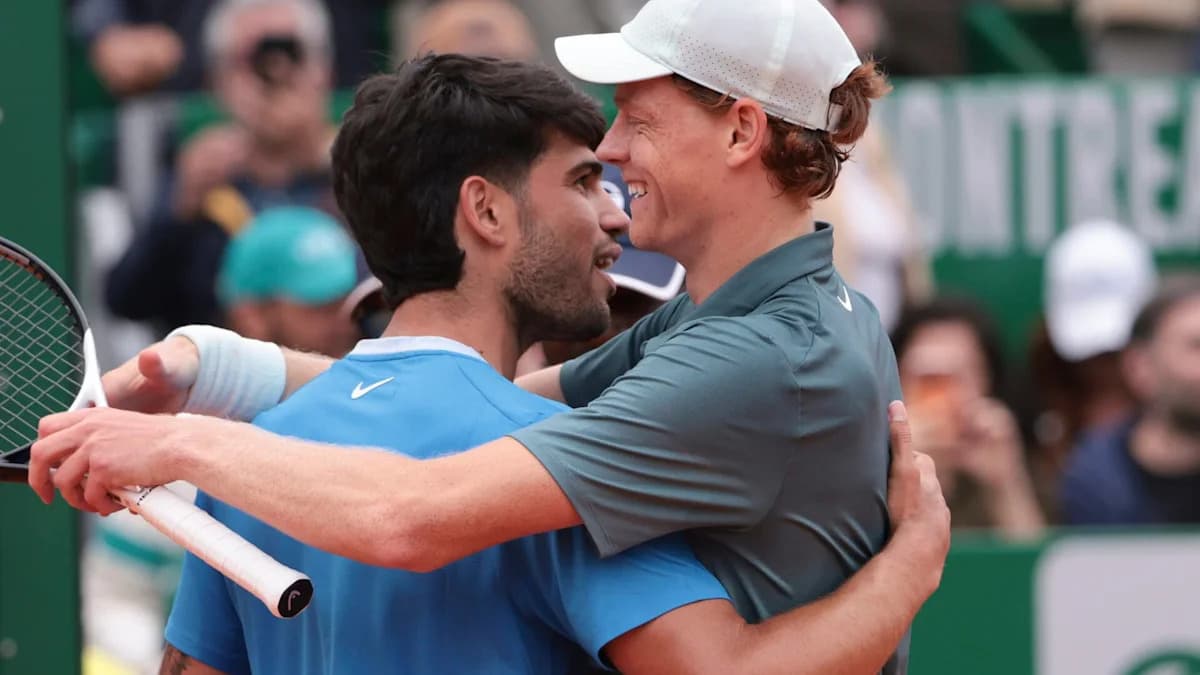
At this year’s US Open, Williams chose a different route back into the spotlight, stepping into the revamped mixed doubles draw. Her partner? Spain’s Carlos Alcaraz, the men’s star who grew up watching her dominate and now wanted to share the same side of the net.
They looked like an event within the event. The pair won their opening match, feeding off the buzz and the novelty of the partnership, before bowing out in the quarterfinals to Belinda Bencic and Flavio Cobolli. The run was brief but electric, a reminder of how naturally Williams commands a stadium, even when the stakes are smaller and the format unfamiliar.
There is still unfinished business in New York.
Serena and Venus Williams, the duo that redefined what sisters could do in professional sport, are back in the women’s doubles draw. They lost their first match together since 2022 in Cincinnati earlier this month, a rusty outing that underlined how long they’ve been away. Yet the aura remains strong enough that the US Open handed them a wild card.
That invitation is more than nostalgia. It’s one last chance—at least for now—to see the Williams sisters share a court at a major, to watch the blend of history, muscle memory, and defiance that has carried them through decades.
Their opening match comes later this week. Singles can wait. The decision about another solo run will hinge on health, on how that Wimbledon injury responds, on how Serena feels after another taste of the tour’s demands.
For now, she is back in the fight, back under the lights in New York, back showing her daughters what resilience looks like in real time. The question isn’t whether Serena Williams can still compete.
It’s how far she’s willing—and able—to push this comeback.