.svg&w=384&q=75 "logo")
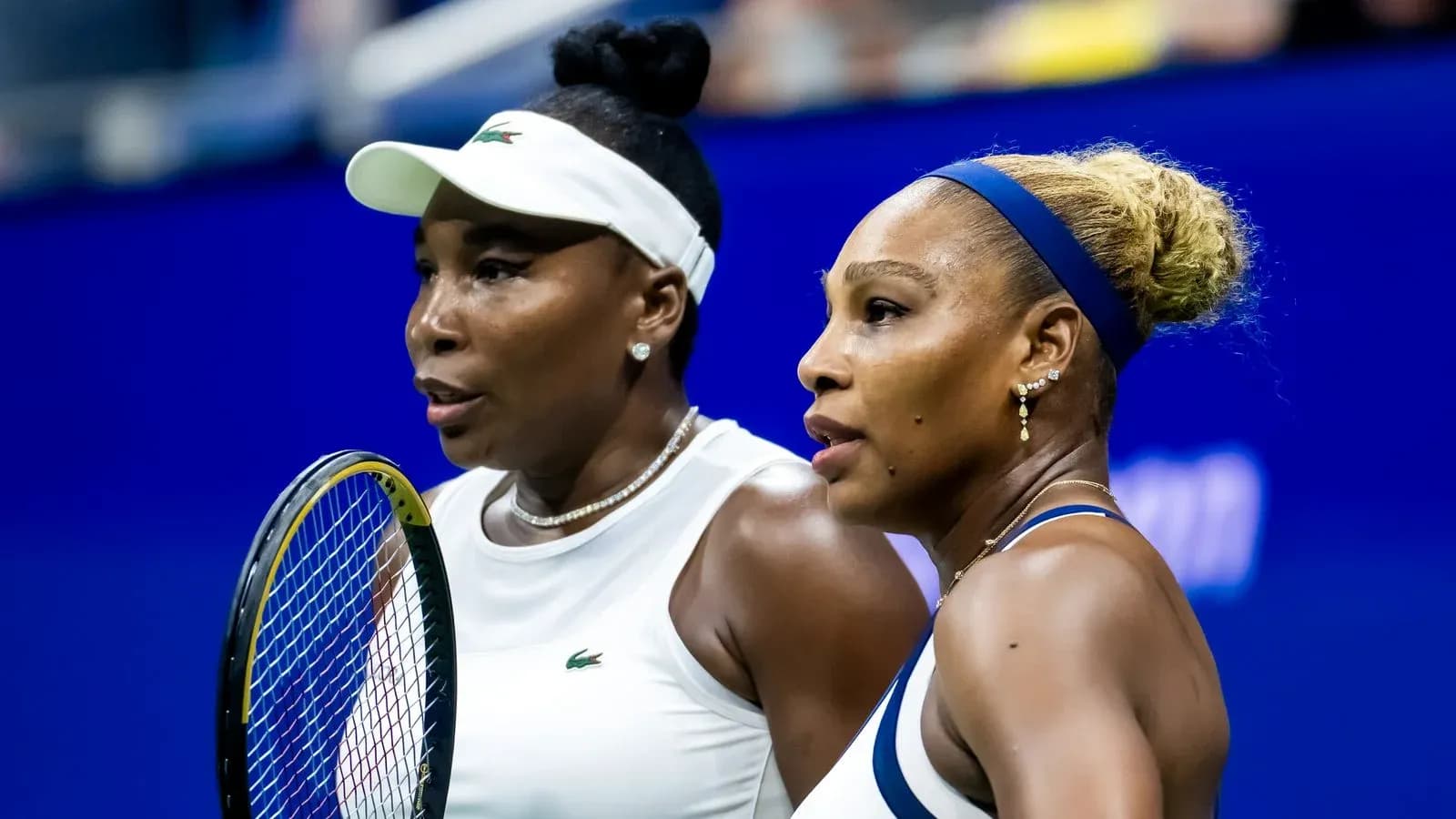
Serena and Venus Williams Fall in Epic Doubles Match at US Open
Serena and Venus Williams walked back into the glare of Arthur Ashe Stadium on Friday night and, for long stretches, time seemed to bend to their will again.
Three hours and two minutes later, the scoreboard told a harsher truth.
The sisters, playing their first Grand Slam doubles match together since the 2022 US Open, fell 6-3 6-7 (8-6) 7-6 (10-7) to Maya Joint and Chan Hao-Ching in a first-round epic that swung wildly, crackled with nostalgia, and ended with a stunned hush after the Williamses let a 5-0 lead slip in the deciding match tie-break.
A comeback built on history
This was no routine wildcard sideshow. It carried the weight of an era.
Fourteen Grand Slam doubles titles together. Two US Open crowns. Three Olympic gold medals. Another 30 singles majors between them. Twenty-seven years since they first won this title. And, as Serena revealed, a comeback sparked by a simple suggestion from her daughter.
The numbers are almost too big to process. The scene was not.
Arthur Ashe, packed with 23,000 fans, treated every clean strike from Serena, 44, and Venus, 46, as if it were 2002 all over again. Every winner detonated. Every changeover felt like a curtain call in waiting.
They moved more sparingly now, they picked their moments more carefully, but when they found a rhythm, the old electricity returned. One point in particular lit up the night: Venus knifed a penetrating volley, Serena stepped in and uncorked a swinging winner, and the stadium rose as one, as if muscle memory extended from the court to the stands.
Joint’s summer of a lifetime
Across the net stood a player living out the kind of summer that for most remains fantasy.
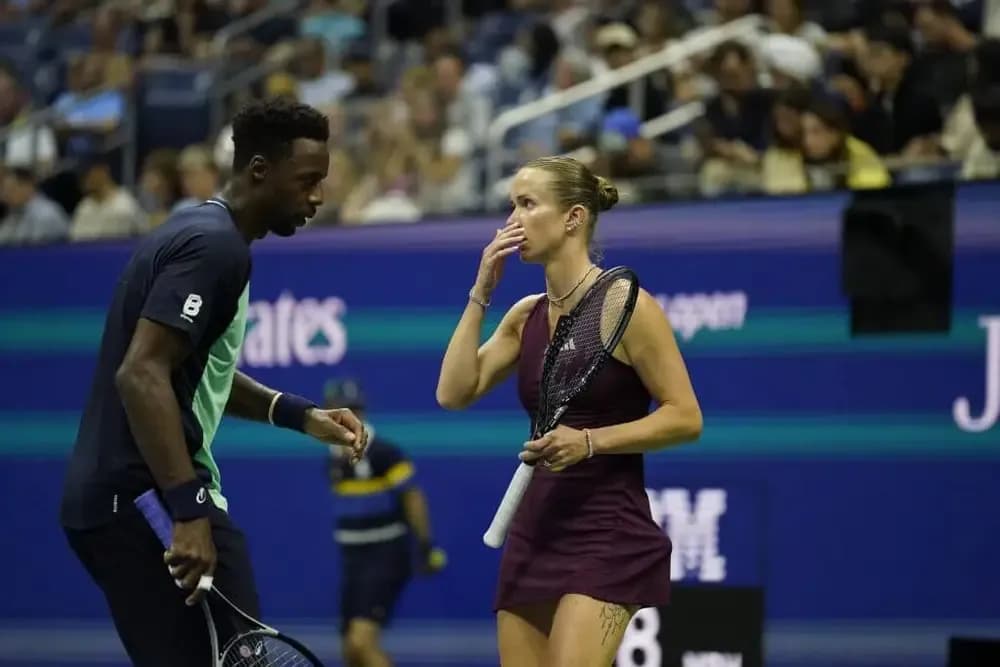
Maya Joint, a 20-year-old Australian, had already taken down Serena on Centre Court at Wimbledon in singles. Now she was back under the lights, sharing the court with both Williams sisters at Ashe.
“Being able to play against such legends of the game is super special,” Joint said on court. She admitted she was “lost for words,” calling Serena and Venus her idols and recalling how, growing up in Michigan, she always looked up to them. To face them twice in one summer? “Amazing,” she said.
Alongside the experienced Chan Hao-Ching, Joint refused to be overawed. They absorbed the noise, trusted their patterns, and stayed present when the match thrashed from one storyline to another.
Williamses fight back, then falter
For all the emotion, the match turned on something more brutal: Serena’s serve, which had looked sharp at Wimbledon and during her mixed doubles outing with Carlos Alcaraz last week, wobbled at key moments in the opening set. Two service breaks handed Joint and Chan the early advantage, 6-3, and briefly quieted the crowd.
The response came with familiar ferocity.
The sisters tightened their returns, Venus sharpened her net play, and the second set surged into a tie-break. The pressure mounted. The chances came and went. On their fifth set point, they finally broke through when Joint pushed an overhead long, and Ashe erupted. Suddenly, this was no longer a ceremonial appearance; it was a genuine contest, with belief spilling back over the net.
The decider became a grind. Rallies stretched, nerves frayed, and history loomed. For the first time since 2001, the Williams sisters found themselves beyond 5-5 in a third set in doubles at a Slam. It felt fitting that it would all come down to the match tie-break.
They surged to 5-0. The roof, metaphorical if not literal, nearly came off.
Then it all slipped.
Joint and Chan refused to fold, chipping away at the deficit, point by point. The Williamses, so often the ones who closed the door on opponents in these moments, suddenly looked tight. Errors crept in. The lead vanished. A Chan volley finally sealed it, ending the comeback and puncturing the dream finish so many had come to witness.
The US Tennis Association later confirmed the sisters would not be available for comment.
Whispers of one more run
Even in defeat, the night did little to quiet speculation around Serena’s future. ESPN commentator Caroline Wozniacki said on air that she believes Serena wants to return to singles next year, a remark that will only fuel the intrigue around one of the sport’s defining figures.
If this was a one-off doubles nostalgia hit, it was a rich one. If it was a prelude to something more, the flashes of timing, the competitiveness, and the roar of Ashe suggested there is still an appetite — from player and public alike — for another chapter.
For now, though, the record books will show a first-round loss and a squandered 5-0 lead in a match tie-break. The memory will be something else entirely: two icons, a combined age of 90, rolling back the years under the lights, and a pair of opponents bold enough to step into that story and write their own.
Tsitsipas breaks new ground, Tiafoe cruises
On a day dominated by the Williamses’ return, Stefanos Tsitsipas quietly carved out a milestone of his own.
The Greek star, revitalised after dropping the opening set, rallied to beat Czech 18th seed Jiri Lehecka 2-6 6-1 7-6 (7-3) 6-1. Once he found his range, Tsitsipas took control, dictating from the baseline and handling the third-set tie-break with authority. The win sends him into the fourth round of the US Open for the first time in his career — a small but significant step for a player long tipped for deep runs in New York.
American 11th seed Frances Tiafoe delivered a more straightforward statement. Backed by a home crowd that has grown used to his showmanship, he dismissed Valentin Vacherot of Monaco 6-4 6-2 6-4, moving smoothly into the next round and keeping alive hopes of another second-week surge on home soil.
On a night when the past and present of tennis collided, the question lingered over Ashe as the lights dimmed: was this a farewell cameo for the greatest doubles partnership the women’s game has seen, or the start of one last, improbable act?