Qinwen Zheng: From Qualifier to Giant-Killer at US Open
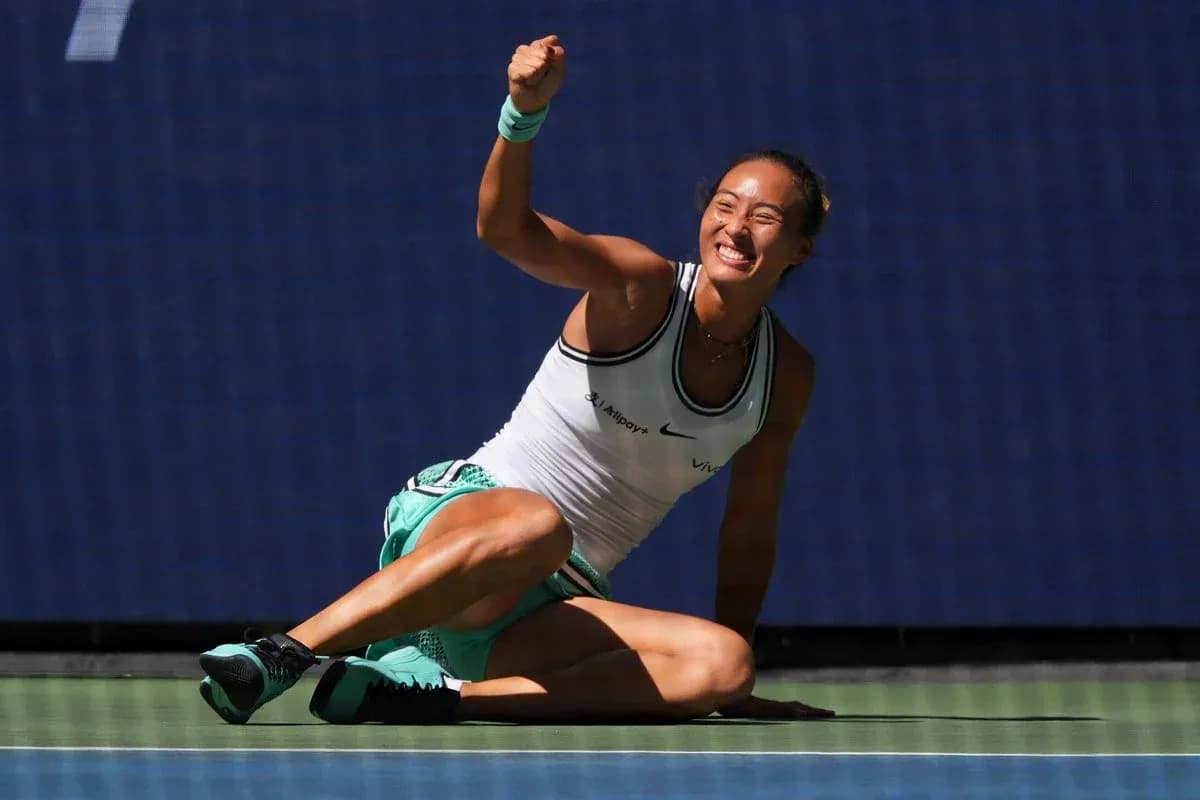
Qinwen Zheng was flat on her back in Arthur Ashe Stadium, staring up at the New York night. Again.
Another comeback complete. Another giant toppled. Another reminder that, when she is healthy and swinging free, there are few players on tour who hit a heavier, more fearless ball than the 22‑year‑old from China.
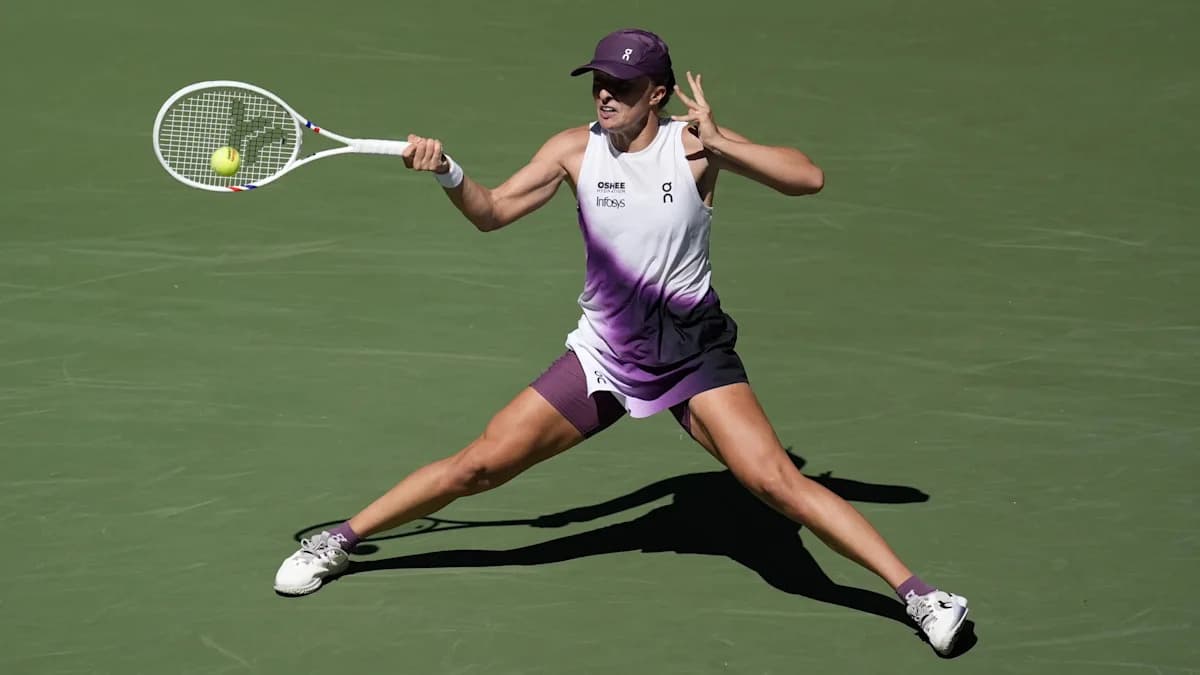
This time the victim was Iga Swiatek, a six‑time grand slam champion and former US Open winner, beaten 7-5 6-3 after Zheng had trailed 0-5 in the opening set. The same impossible scoreline she had faced two days earlier. The same answer.
From qualifying to giant-killer
Zheng arrived in New York as a qualifier, her ranking marooned at No 121 after an elbow injury ripped a hole through her 2025 season. Long stretches on the sidelines, a slide down the rankings, doubts about when – or if – she would again trouble the sport’s elite.
She has answered all of that in one week.
Seven matches. Seven wins. A place in the US Open quarter-finals for the third time. And along the way, a pair of escapes that already feel like tournament folklore.
First came Madison Keys, the former Australian Open champion and 22nd seed, backed by a partisan home crowd and seemingly cruising. Zheng, having already done the hard yards through qualifying and into the third round, was battered 1-6 in the opening set and found herself 0-5 down in the third, facing match point.
She responded by ripping through seven straight games, turning a lost cause into a 1-6 7-6 (7-3) 7-5 victory. It felt outrageous. It felt like a one-off.
It was not.
Swiatek swept away
Two days later, under the lights against the eighth seed and former champion Swiatek, Zheng walked into the same storm. The Pole jumped to a 5-0 lead in the first set, controlling the baseline and punishing Zheng’s early errors.
This time, there was no panic, no rush. Just a slow tightening of the screws.
“I started the match not so well,” Zheng admitted on court. “Little by little I found my rhythm on the center court because it's been a long, long time. I just really appreciate it to be here in the Ashe Stadium.”
The shift was almost imperceptible at first: a heavier first serve, a cleaner strike off the forehand, a little more length on the backhand. Then the games began to stack up. One hold. One break. Another hold. Swiatek’s lead shrank, her timing deserted her, and the errors began to spill.
At 4-5, Zheng was so locked in she said she “even forgot the score”.
That focus broke Swiatek. Zheng reeled off seven games in a row to steal the set 7-5, the crowd roaring as the former Wimbledon champion’s unforced error tally climbed. Swiatek finished with 28, her shoulders sagging as another grand slam slipped away in straight sets – the fifth time in a row she has departed a major in two sets since lifting the Wimbledon trophy in 2025.
The second set felt like a verdict. Zheng struck the only break of serve she needed, guarded it with fierce, first-strike tennis, and closed out 6-3 on her fourth match point. When Swiatek’s final ball flew out, Zheng dropped to the court, flat on her back, a mix of disbelief and defiance etched across her face.
“I just focused point by point and little by little I start to play better tennis, I start to find my game,” she said. “I'm just really happy to win this match cause it's not easy and it's been a while really. I didn't beat any top 10 player. I just really, really appreciated this win for me, and I want to say thank you for all the fans who come to support me today.”
For Swiatek, there were only tears as she left Ashe, another major ending with questions rather than answers.
A familiar opponent, a new stage
Zheng’s win over Swiatek carried an extra layer of history. Two years ago in Paris, she beat the Pole in the Olympic gold medal match. That victory felt like a breakthrough. This one, given the route she has taken back from injury and through qualifying, feels like a declaration.
“I guess to come back 0-5 yesterday is not lucky, that's all I can say,” she noted, a quiet edge in her voice. Luck does not drag you back from 0-5 down against Keys and then again against Swiatek. Nerve, weight of shot and an iron refusal to yield do.
Her reward is a quarter-final against either second seed Elena Rybakina or two-time US Open champion Naomi Osaka. Either opponent brings a different kind of test: Rybakina’s clean, flat power or Osaka’s proven hard-court pedigree. Zheng, with seven straight wins in New York and the belief that she can climb out of any hole, will not fear either.
Andreeva advances, Potapova broken
On the same day Zheng tore up the script, Mirra Andreeva quietly wrote a new chapter of her own.
The French Open champion reached her first US Open quarter-final with a 5-7 6-4 6-3 comeback win over Anastasia Potapova, a match that swung from high-quality baseline exchanges to a painful finish.
Potapova, representing Austria and seeded against the odds of the draw rather than the crowd’s expectations, took the first set and stood toe-to-toe with the fifth seed. At 5-3 down in the third, still fighting, she chased a forehand and twisted her knee badly.
She tried to carry on. The knee was heavily strapped, the movement compromised, the emotion raw. She did not win another point.
Potapova left the court in floods of tears, her New York run ending not with a final rally, but with a cruel turn of the body.
“Anastasia is a good friend, and seeing what a battle we have and then seeing her fall is not easy,” Andreeva said. “It’s not the way you want to finish the match. I just told her she is playing amazing and I’m sure she’ll come back even stronger, she’s a warrior.”
Andreeva moves on. Potapova faces scans, rehab, and the long wait that every injured player dreads.
New York belongs to the fearless
Across the women’s draw, one theme is hard to miss: this US Open is rewarding aggression and nerve. And few embody that more right now than Qinwen Zheng.
From No 121 in the world, through qualifying, past a home favourite and a six-time major champion, she has turned Ashe into her stage again. The question now is not whether she belongs in this company.
It is how far this run, and this version of Zheng, can take her in a season that once looked lost.