Novak Djokovic: The Relentless Pursuit of Excellence
Novak Djokovic has spent a career splitting opinion. On court, the numbers are beyond dispute: 24 Grand Slams, a catalogue of records, an iron grip on the sport’s biggest stages. Off court, the debates rage on – from his deportation from Australia to that infamous default at the 2020 US Open.
Inside his own camp, though, there is no debate at all.
The mentor few people see
Carlos Costa, Djokovic’s physio, sees the version of the Serb that rarely makes headlines. Speaking on “A BOLA”, he painted a picture that jars with the caricature many hold of the world’s most scrutinised tennis player.
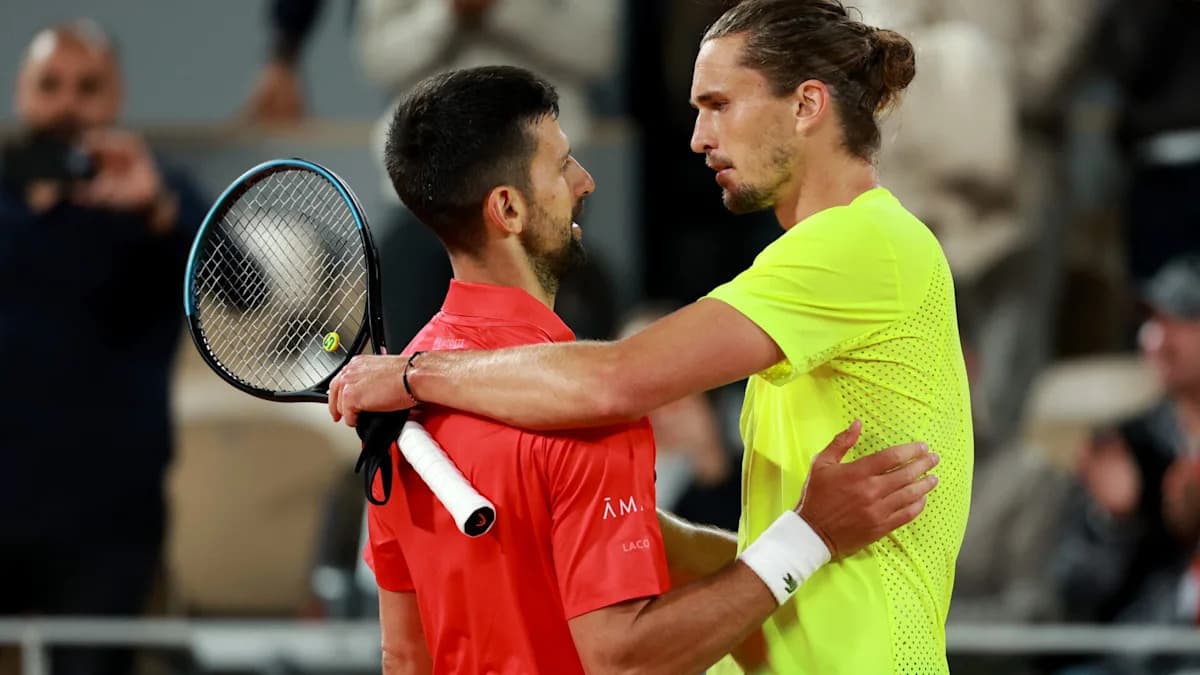
“He loves helping younger players,” Costa revealed. “He often stops training to give advice to other players, even those he is competing against on the tour. Not long ago, [Felix] Auger-Aliassime asked him for some advice, and Novak immediately helped him. The same thing happened with [Joao] Fonseca. People have no idea how much he helps other players.”
This is not theory. It is happening with players he is actively trying to beat.
Djokovic faced Auger-Aliassime in a bruising Wimbledon quarter-final this year, edging the Canadian in a five-set epic: 7-6, 3-6, 6-3, 6-7, 7-6. Earlier in the season, at Roland Garros, he was on the receiving end of a five-set comeback from Brazilian teenager Joao Fonseca, who stunned him 4-6, 4-6, 6-3, 7-5, 7-5 in the third round.
Advising a player one month, battling him the next. It is a strange duality, but one that seems to sit comfortably with Djokovic.
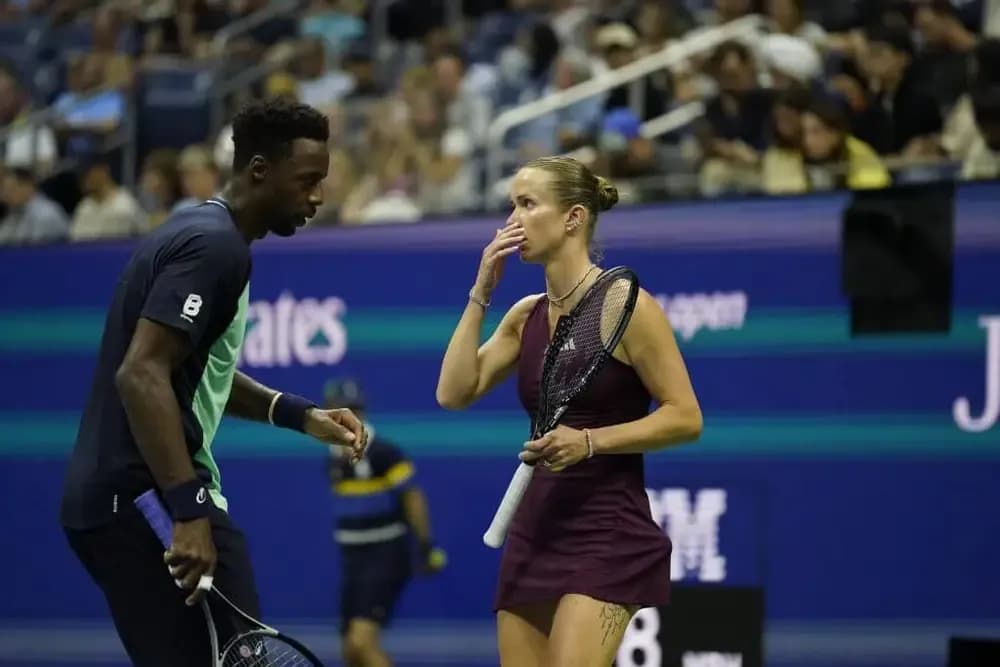
And it is not limited to those already on the main stage. The Serb has also taken time to guide American youngster Iva Jovic on several occasions. No cameras, no microphones, just a veteran of the sport passing on knowledge to a teenager trying to find her way.
He has never been the sport’s most universally adored figure. But the idea that he is not giving back to tennis simply does not survive contact with the stories coming from inside his own team.
A mind that never switches off
If Djokovic’s generosity with others surprises some, his relentless obsession with detail should not.
“I have never seen anything like Novak Djokovic,” Costa said. “His vision, what he puts in every single day on the court, and his intensity. I had seen something similar before, but never with Djokovic’s consistency.”
The anecdotes come thick and fast. Nothing is too small to matter.
“He pays attention to every detail. The amount of time it takes us to give him his towel… if there is something that is not planned, there is friction. He even goes as far as creating tests within the team to find out whether we are really looking for the best recovery strategies and providing the best treatments.”
This is not a player passively receiving support. It is a serial winner stress-testing his own inner circle.
One moment in particular stuck with Costa. Djokovic noticed Jannik Sinner doing specific eye-training work and immediately challenged his own team.
“For example, he asked us why [Jannik] Sinner does eye training, and we didn’t. He is constantly looking for ways to be the best in the world.
“I am always trying to stay as up to date as possible. I even take courses with physiotherapists from other sports; I try to learn from other sports. But sometimes he sees videos or notices other players doing different things in the locker room, and he is always asking why we don’t do the same. And our answer can’t take too long! We are constantly looking for ways to improve.”
That last line could double as the mission statement of Djokovic’s career.
Watching Sinner, chasing history
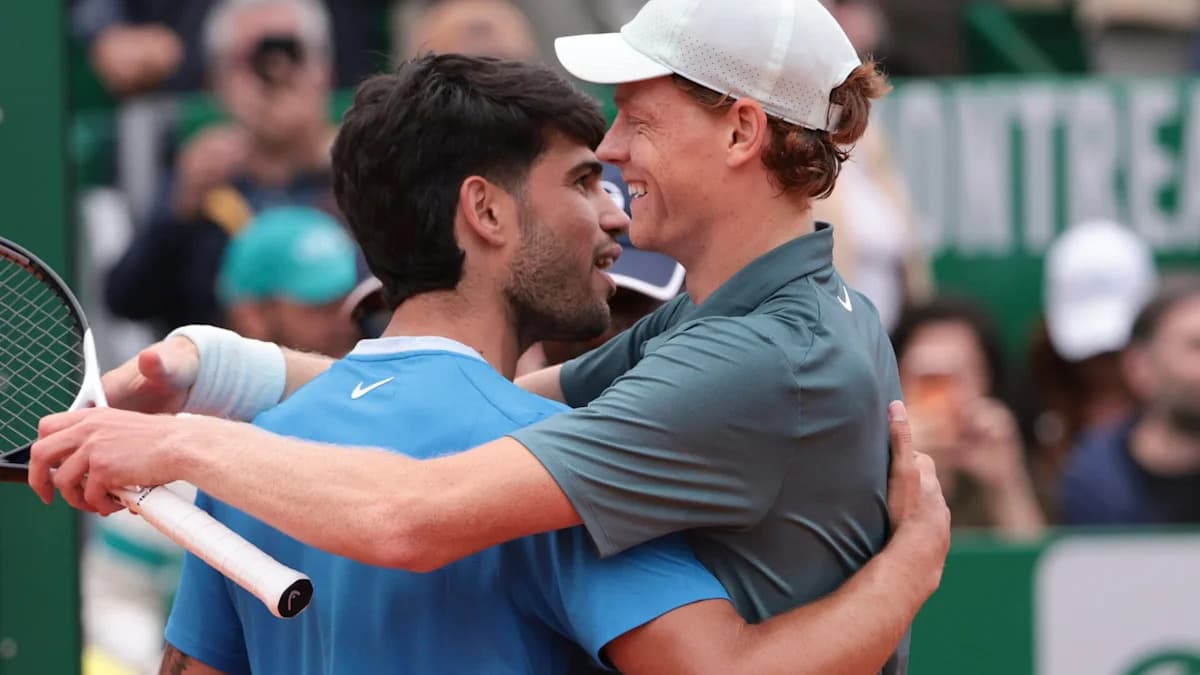
It is no accident that Sinner keeps cropping up in these conversations. If Djokovic is looking over his shoulder, the Italian is the figure filling the frame.
Sinner is the current world number one. Since Djokovic last lifted a major trophy, the Italian has collected five Grand Slam titles of his own, seizing control of the sport’s biggest stages with a calm, ruthless authority. Their head-to-head now stands at 7-5 in Sinner’s favour, and his most recent statement was emphatic: a comfortable win over Djokovic on the lawns of Wimbledon earlier this year.
For a man who built his legend on bending eras to his will, this is unfamiliar territory. Djokovic is no longer the immovable object at the top of the mountain; he is the hunter again, scrutinising every drill, every recovery method, every marginal gain, searching for another edge.
The target is clear. One more major. Number 25. A record that would stand alone in men’s tennis history.
To get there, he knows he must squeeze everything from a 39-year-old body that has already gone to the well more times than most thought possible. The questions he fires at his team about Sinner’s eye training, about alternative treatments, about tiny time gaps in handing over a towel, are not quirks. They are survival tactics.
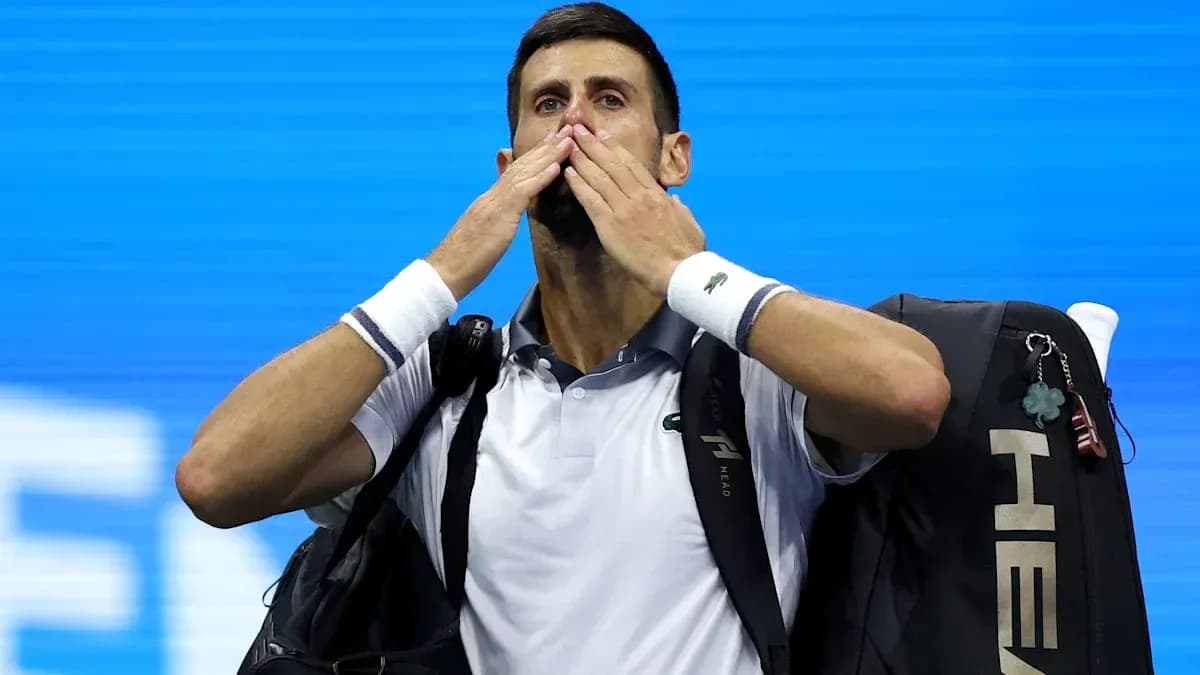
The next chapter begins in Beijing. Djokovic is set to play his first match since the US Open at the China Open, which starts on Monday, September 28. A familiar figure, walking into a new landscape, still chasing, still questioning, still convinced there is one more summit to climb.
If he finds it, it will not be by accident. And the young players he has quietly helped along the way may be the first to understand exactly what it took to get there.