.svg&w=384&q=75 "logo")
Novak Djokovic's Stunning Defeat at the US Open
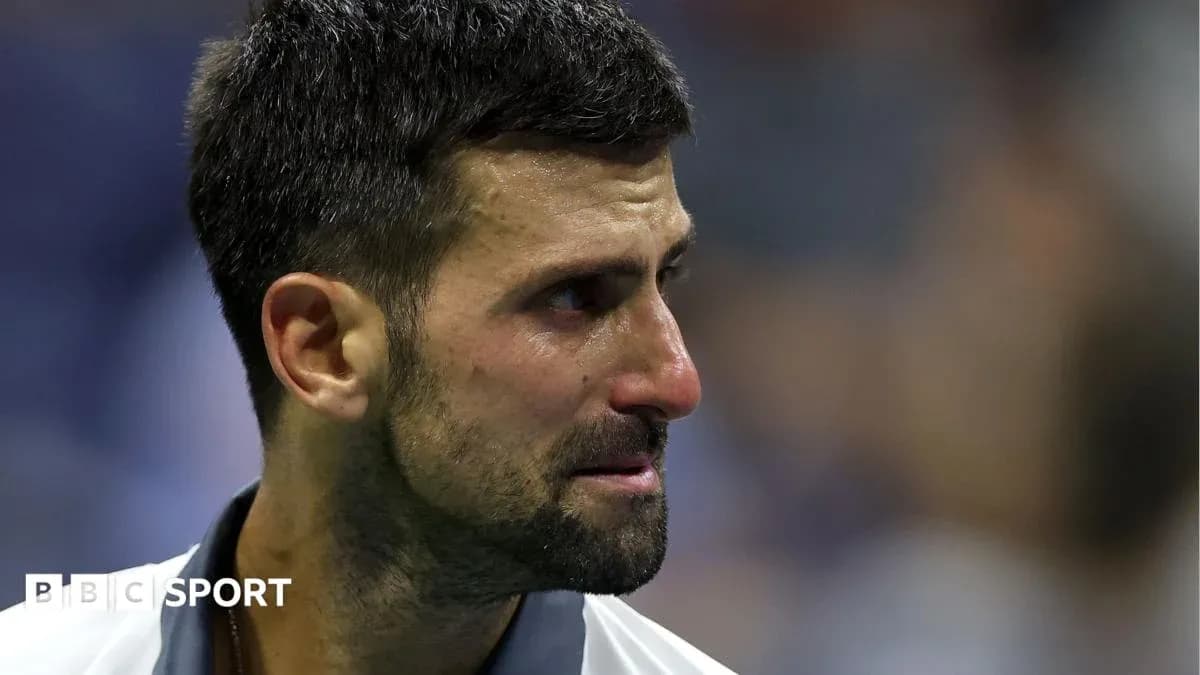
Novak Djokovic walked off Arthur Ashe Stadium with his head bowed, the roar reduced to a murmur, his eyes wet. This was not just a first-round defeat. It felt like a fault line in one of tennis’s greatest careers.
The 39-year-old, a 24-time Grand Slam champion, was beaten 7-6 (7-5) 5-7 4-6 6-2 6-1 by Argentina’s Mariano Navone, the world number 49, in a punishing, disorienting night at the US Open. He vomited into a towel bin, called for the doctor, fought himself to a two-sets-to-one lead – and then watched the match, and perhaps something more, slip away.
A night when the body said no
Djokovic started like a man intent on imposing order. He broke Navone at the first attempt, raced to a 2-0 lead and looked ready to ease into the tournament as the fourth seed in New York.
Then came the rally.
A long, draining exchange in the humid conditions seemed to drain him in one go. From that point, his movement dulled. His serve lost bite. The groundstrokes that usually pin opponents to the back fence began to float shorter.
By the seventh game, the early break had vanished. Djokovic looked flustered, glancing at his box, tugging at his shirt, his tempo gone. After the ninth game, he called the doctor, took tablets courtside and tried to reset. The sight was jarring: the sport’s iron man searching for relief.
The first set bled into a tie-break, and the signs worsened. Between points he bent over, hands on knees, head hanging. Navone, 25 and unflinching, held his nerve and stole the opener after 73 minutes. Arthur Ashe, usually raucous, fell into an uneasy hush. This crowd has seen Djokovic pull off miracles before. It could sense he might need another.
The old fight, the new reality
For a while, he almost found it.
As the night air cooled under the closed roof, Djokovic’s game sharpened. The legs still looked heavy, but his mind locked in. He carved out the only break points of a tight second set, missed early chances, then dug in again at 5-5. A fierce return game gave him the break for 6-5, and he served it out to love. The roar, the fist pump, the familiar glare – they all returned.
In the third set, he grew more animated, barking at himself, gesturing to the crowd, feeding off any energy he could find. At 3-3, though, his balance wavered again. The stride shortened. The recovery between points slowed. Even so, when Navone faltered, Djokovic pounced, breaking for 5-4 and serving out the set to lead by two sets to one.
These are the positions from which prime Djokovic used to close the door. Opponents knew what came next: the squeeze, the suffocation, the inevitable.
Not this time.
Navone rises as Djokovic fades
Navone refused to shrink. Sensing Djokovic’s struggles, he played with clarity and nerve, extending rallies, asking the 39-year-old to solve problems with his legs as much as with his mind.
The fourth set turned quickly. Djokovic’s energy dipped again, the serve lost more pace, and the Argentine took control. A 6-2 set levelled the match and stripped away the aura that so often surrounds the Serb in deciding sets.
By now it was nearing midnight in New York, and the atmosphere had changed. This was no longer a tense five-set epic between equals. It became uncomfortable viewing: one of the game’s greats wrestling with a body that would not respond, a champion trying to will himself through and finding the limits of that will.
The fifth set was brutal in its clarity. Navone surged. Djokovic, emotionally and physically spent, could not respond. Games flew by. The scoreline – 6-1 – told the story that the crowd already knew. This was not a tactical defeat or a bad day at the office. This was a night when age and conditions combined to drag him down.
Tears, grace, and an uneasy question
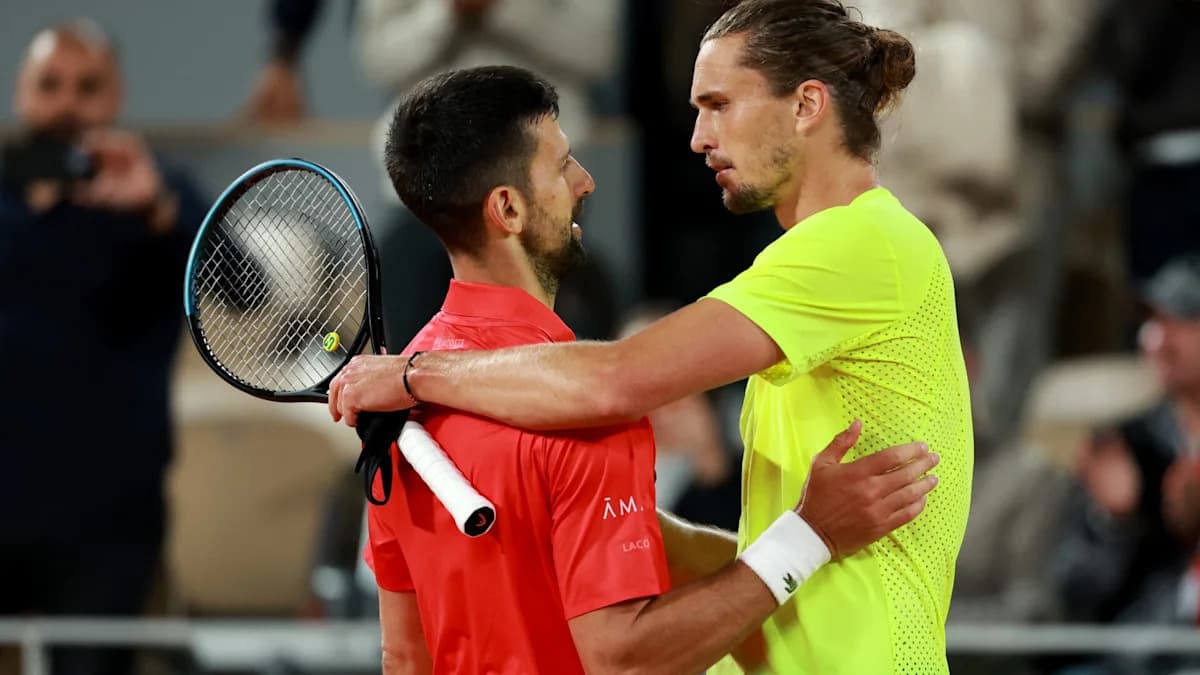
At the net, Djokovic managed a smile. He embraced Navone, offered warm congratulations, and acknowledged the scale of the Argentine’s win – one of the defining results of the world number 49’s career.
The grace stayed for the handshake. It did not last long after.
As he trudged back towards the locker room, the mask slipped. The man who has spent nearly two decades mastering pressure and pain looked close to tears again, the weight of the loss – and what it might mean – bearing down on him.
This defeat ends his latest push for a standalone 25th Grand Slam singles title, keeps him tied with Margaret Court, and reopens the question of how many more chances he will get. For the first time since 2006, Djokovic has gone out in the opening round of a major. For the first time at Flushing Meadows, he has failed to survive day one.
On a humid New York night, the numbers finally caught up with him. The question now is whether this was a bad evening in brutal conditions – or the first clear sign that even Novak Djokovic cannot outrun time forever.