.svg&w=384&q=75 "logo")
Naomi Osaka: Balancing Motherhood and Tennis at the US Open
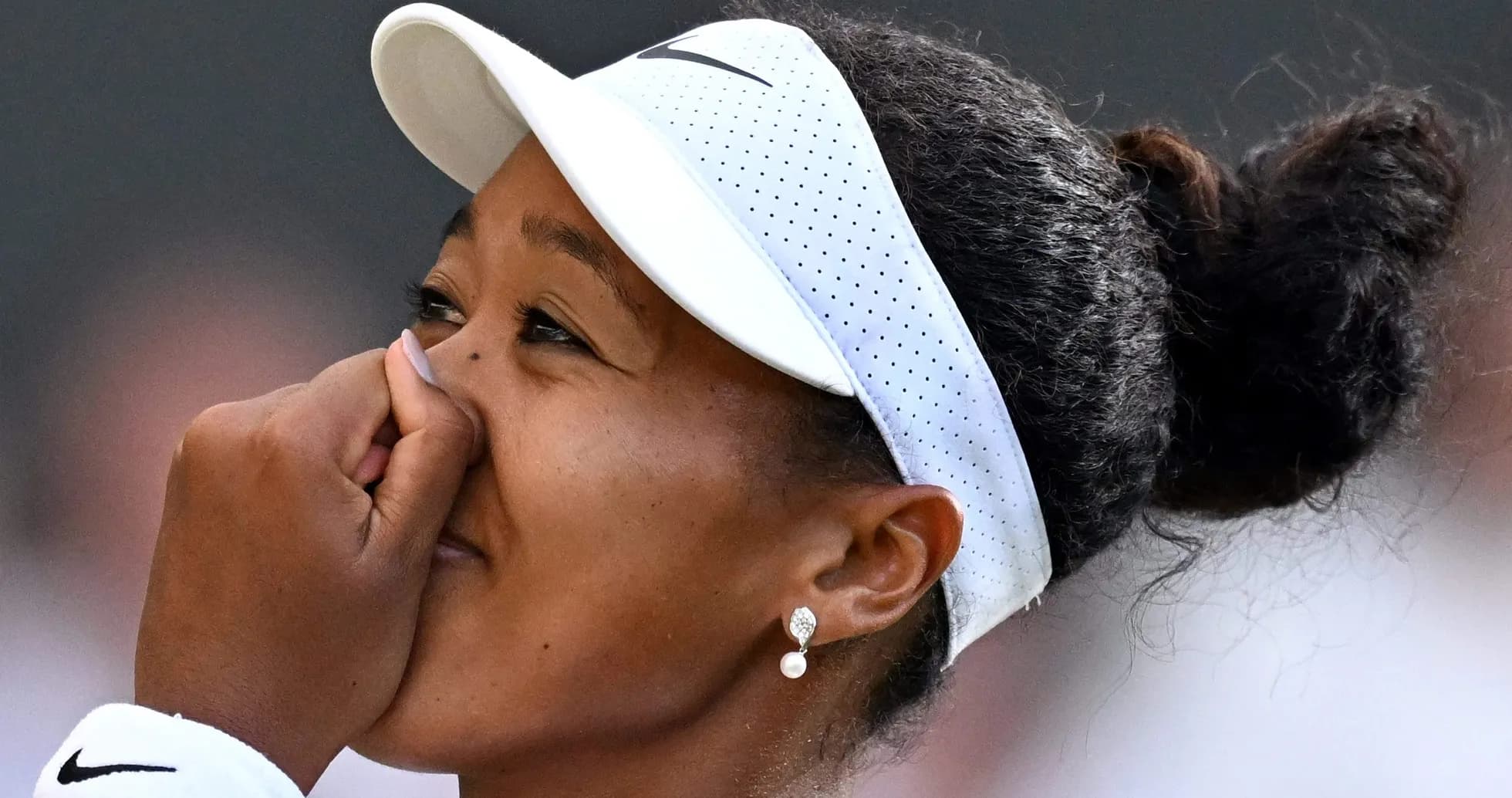
Naomi Osaka has never been just one thing. In New York this week, she’s making that clearer than ever.
On Monday, August 31, the two-time US Open champion opens her 2026 campaign at Flushing Meadows against Anastasia Zakharova. It’s a first-round match, but it lands at the crossroads of several versions of Osaka: the Grand Slam winner, the young mother, the fashion entrepreneur, the cultural figure who long ago spilled beyond the lines of a tennis court.
A Different Kind of Withdrawal
Her route to New York didn’t follow the usual script. Osaka pulled out late from the Cincinnati Open, initially citing fatigue. The real reason was far more grounded: she wanted to be at home with her three-year-old daughter, Shai.
“I think people forget my main job is to be a mom. This [tennis] is kind of like my side hustle a little bit. I just happen to be really good at it,” she told reporters.
That line wasn’t a throwaway. It framed everything that followed. Osaka is back chasing another US Open title, but she’s doing it on her terms, with motherhood openly placed at the center of her life rather than tucked away behind the usual athlete clichés about “sacrifice” and “focus.”
Ready for the Hard Courts
For all the off-court noise, Osaka’s tennis remains the anchor. She arrives in New York feeling seasoned, if not overplayed.
“I do feel like I’ve played a lot of matches… Honestly, this is the surface that I’m most comfortable with,” she said, sounding like someone who knows exactly what a hard court in Queens can do for her game.
The US Open has always suited her: the pace, the bounce, the energy, the late nights. She has lifted the trophy here twice, and the stadium still feels like a natural stage. Now 28, she returns not as the nervy rising star or the lightning rod of controversy, but as a player trying to knit together form, family, and ambition.
Somewhere in the middle of that, she casually dropped another detail during her run at the Washington Open: she has a new boyfriend. It was mentioned, then left alone, a reminder that Osaka increasingly decides how much of her life the sport is allowed to own.
From Baseline to Runway
Once she touched down in New York, Osaka didn’t simply bury herself on the practice courts. She leaned into her other long-standing obsession: fashion.
Between training blocks at the Billie Jean King National Tennis Center, she slipped away to Southampton, where she announced the next step in her style evolution — her own line of luxury accessories.
Osaka has long been known for walking onto court in outfits that feel curated, not just sponsored. Now she’s moving from muse to maker. At the Fame to Fortune Summit, she unveiled a prototype of one of her new handbags and called the brand her “biggest dream” outside of tennis, according to Variety.
“Being a really good tennis player has given me a lot of amazing opportunities to invest and also just to surround myself with some really great people and I feel like that’s gotten me to this point where I want to create my own thing,” she told Fortune’s executive editorial director Diane Brady.
“It’s something that I want to pour all my energy into because I believe in it too with all my heart.”
This isn’t a side project slapped together for a logo and a launch party. Osaka talks about it like a second career — one she plans to build while still trading forehands with the best in the world.
A Photoshoot in a Fortress
The US Open grounds are usually a fortress of routine in the days before the main draw: practice, media, treatment, repeat. Osaka has turned that routine into a backdrop.
Before her practice sessions, she staged fashion photoshoots across the Billie Jean King National Tennis Center — in the media room, in the gym, in the concrete arteries of the stadium complex. The same spaces where players hide from the spotlight became her set.
“Whenever the ideas come in my head, I just really want to do it,” she said.
She insisted it isn’t about provocation or carefully plotted “moments.”
“Honestly, like, nothing I do, I do to make a statement,” she said of the photoshoots. “I think it just ends up being that way.”
That’s the paradox of Osaka. The more she insists she’s simply following her instincts, the more her choices resonate far beyond her own orbit.
“But I literally do the things that I love to do, and I feel like people relate to it, and I’m really glad and grateful for that, because I feel like the type of person I am, a lot of people can see themselves in me. I really, honestly, I love that about myself.”
Center Stage Again
So here she is: a 28-year-old mother, a two-time champion, a player who skipped a key lead-up event to be with her daughter, then crossed the country to talk handbags and design before stepping back into the glare of a Grand Slam.
On Monday, the conversation shifts back to the baseline, the ball toss, the first-serve percentage. Zakharova will stand across the net, trying to turn all this narrative into an early upset.
Osaka, though, walks into this US Open with something she didn’t always have in New York: a life that feels bigger, not heavier. The question now is simple and sharp — with her world expanding off the court, just how high can her game rise on it?