.svg&w=384&q=75 "logo")
Naomi Osaka Edges Elise Mertens in Thrilling Three-Set US Open Match
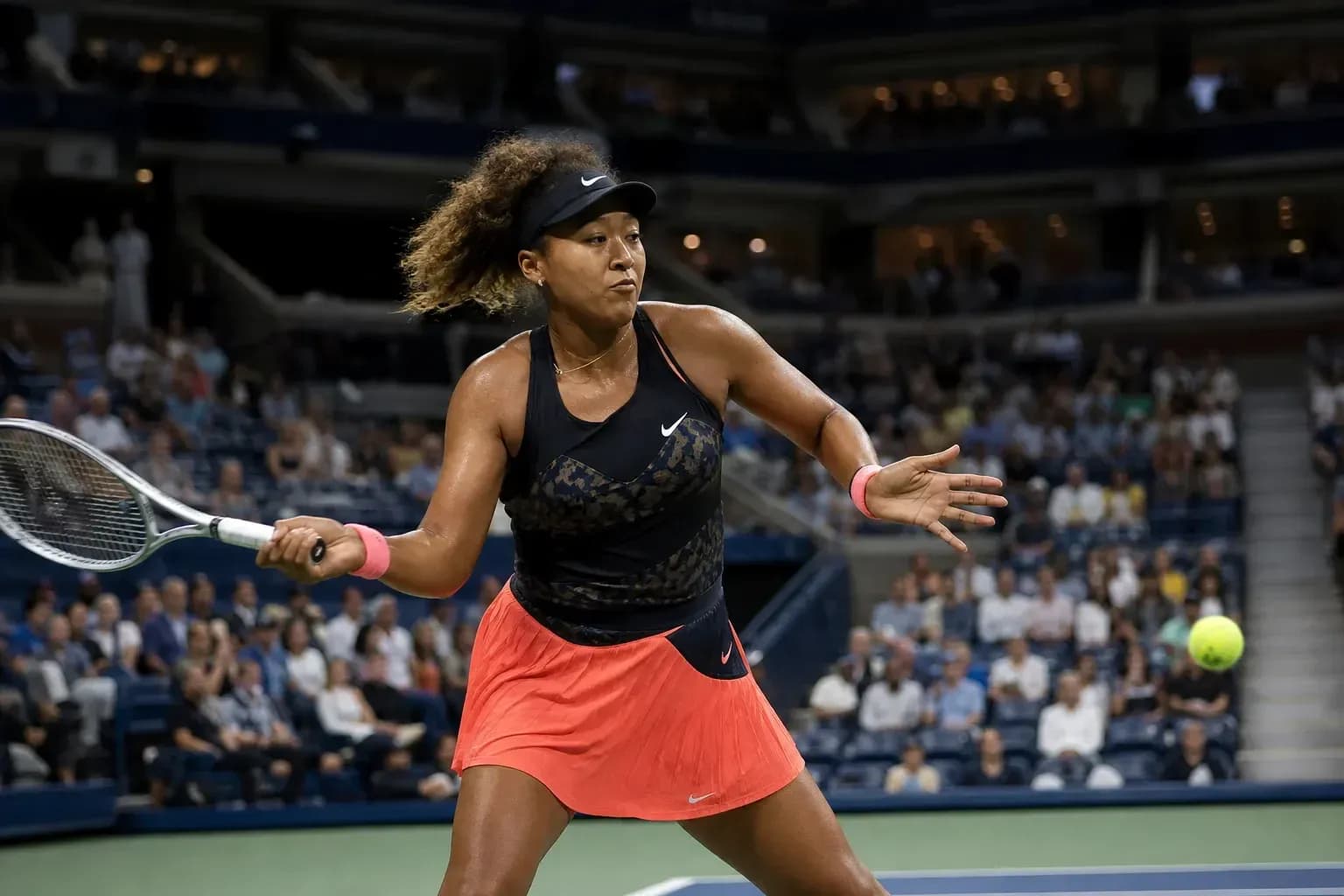
Naomi Osaka is back in the deep waters of a Grand Slam night session, and she is back winning the kind of match that once defined her. Under the lights of Louis Armstrong Stadium in New York, the two-time US Open champion edged Elise Mertens 6–3, 3–6, 7–5 to book her place in the round of 16.
It was not smooth. It was not straightforward. It was exactly the kind of scrap Osaka has been missing.
Osaka Starts Fast
From the start, Osaka imposed herself. Seeded 13th, she came out striking cleanly off both wings, dragging the 23rd seed Mertens behind the baseline and onto the defensive. Three games in a row gave her a 4–1 lead in the opening set, and the old weapons returned with familiar force.
Her serve, once again, looked like a blunt instrument. Osaka closed out the first set by holding with a flurry of powerful deliveries, brushing aside any hint of early nerves. Under the evening lights in Flushing Meadows, it felt briefly like a throwback.
But Mertens does not fold easily.
Mertens Hits Back
The second set opened with Osaka still on the front foot. She broke in the third game, stepping inside the baseline and dictating from there. At 3–1 up, she looked in control.
Then the match flipped.
Osaka’s aggression began to leak errors. Mertens, steady and stubborn, tightened her own game and pounced on the lapses. The Belgian reeled off the next two games, wiping out the break and turning Osaka’s early advantage into frustration.
From there, Mertens owned the set. Osaka’s first-serve percentage dipped, rallies lengthened, and the Japanese star found herself dragged into uncomfortable exchanges. Mertens levelled the match by taking the second set 6–3, and suddenly the night session had a real fight on its hands.
A Twisting Decider
The third set became a test of nerve as much as shot-making. Osaka’s timing wavered again, and Mertens took full advantage of a cluster of unforced errors to move in front. The Belgian’s consistency began to look like it might be enough.
Then came a pause. Osaka called for a medical timeout, a moment that broke the rhythm and, as it turned out, reset the contest.
When play resumed, the energy in the stadium shifted. Osaka’s ball-striking sharpened, and she started to hit through the court with more conviction. The rallies shortened. The tension rose.
Late in the decider, with the match tilting dangerously away from her, Osaka broke back. The roar from the crowd met her surge. Serving at 5–5, she found her biggest weapon again. An ace carried her to a 6–5 lead, a statement swing at a critical moment.
One game later, the contest was over. Osaka closed it out 7–5, surviving a three-set scrap that demanded every ounce of her resilience.
Emotion and Accountability
“Honestly, I can’t believe I won this match,” Osaka admitted on court afterward, addressing a crowd that had ridden every twist with her. She thanked the spectators for their support, acknowledging the role the New York night played in lifting her through the rough patches.
She also turned to a different kind of honesty, apologizing for her behaviour during the match, including an incident where she threw her racket. It was a small but telling glimpse of a player still wrestling with her own standards as much as with her opponents.
What Comes Next
The win sends Osaka into the fourth round, where she will face either Elena Rybakina or Yulia Starodubtseva. The names change, the stakes rise, but one thing is clear after this bruising three-setter under the Armstrong lights:
Naomi Osaka is back in the fight.