.svg&w=384&q=75 "logo")
Moses Itauma vs Filip Hrgovic: A Heavyweight Clash
For eight rounds at the sold-out O2 in London, the script looked nailed on.
Moses Itauma, the 21-year-old prodigy touted as the next great heavyweight, boxed as if the IBF title already belonged to him. He was too quick, too sharp, too assured. In the second round he dropped Filip Hrgovic and, for a moment, the comparison everyone had been whispering no longer felt outlandish: the youngest heavyweight champion since Mike Tyson in 1986, and the third-youngest British world champion of any weight.
It felt like a coronation, not a contest.
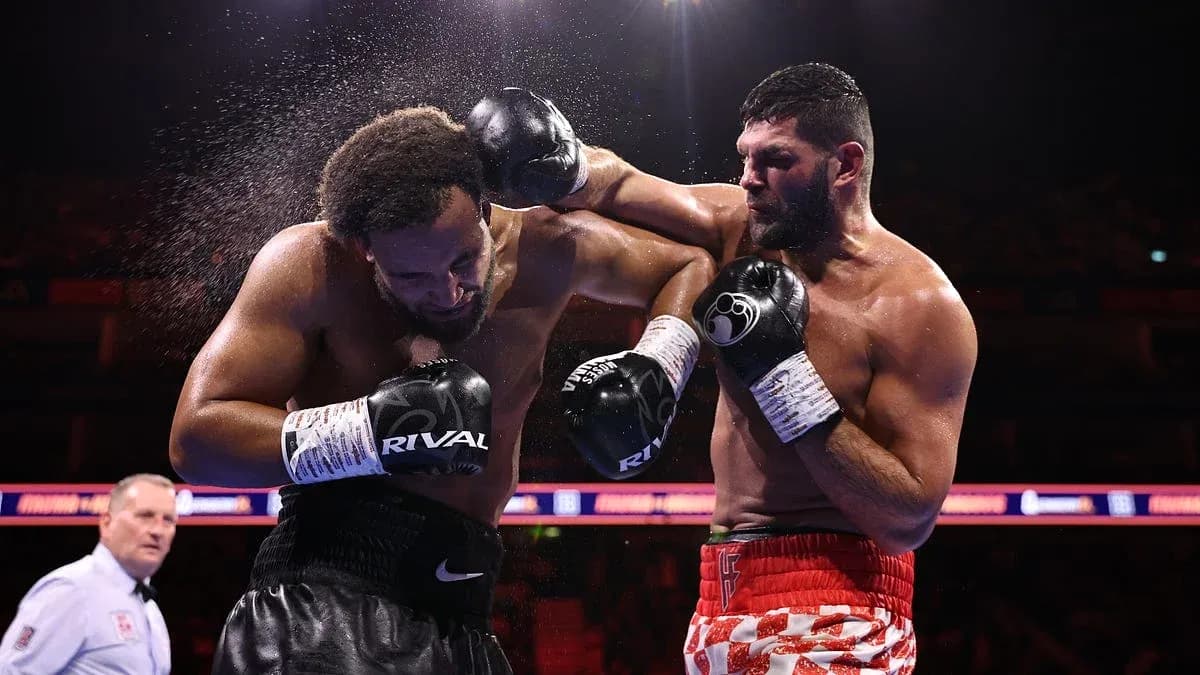
Itauma’s speed advantage was glaring. He beat Hrgovic to the jab, stepped in and out of range with ease, and snapped in clean shots that bounced off the Croatian’s head and shoulders. The younger man looked like a fighter skipping levels, fast-tracking himself into history before he was old enough to rent a car in some countries.
But Hrgovic refused to play the supporting role.
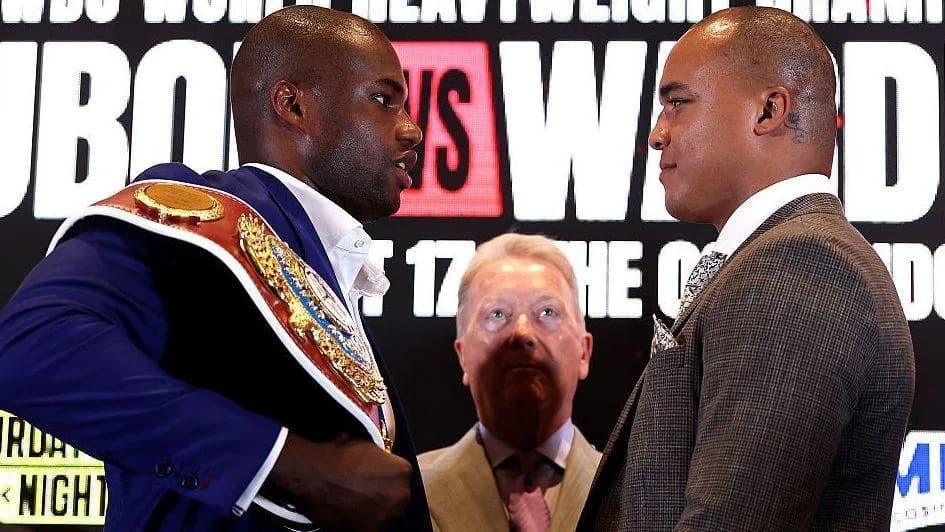
All week he had carried the air of a man who knew something the rest of the room didn’t. He arrived in superb condition, scaled at 236.2 pounds – his lightest in five years – and spoke like a veteran who understood exactly what a 10-year professional career and a deep amateur background, capped by a 2016 Olympic bronze medal, had prepared him for.
He would need every ounce of it.
Hrgovic hauled himself off the canvas in the second, wiped away the moment and went back to work. A cut opened over his right eye. Itauma kept finding the target with clean, heavy shots. The younger man’s hands flashed, combinations flowed, and the scorecards tilted heavily in his favour.
But the clock kept ticking.
Itauma came into the fight with just 31 professional rounds in the bank. He had never been beyond six. He had never faced anyone close to Hrgovic’s level, never had to solve a puzzle built from grit, know-how and an iron chin.
So when the fight crept into the second half and Hrgovic was still there, still walking forward, the mood shifted. The knockdown no longer felt decisive. It felt like an opening chapter.
Hrgovic had said he wanted to drag the “green” Itauma into deep water. By the seventh, you could see the tide turning. Itauma’s output dipped. His feet slowed. The snap in his punches dulled just enough for Hrgovic to edge closer, to land a little more often, to lean on that experience that doesn’t show up on a tale-of-the-tape graphic.
The pressure finally told.
In the ninth round, with Itauma running on fumes, Hrgovic broke through decisively. The Croatian, who had absorbed punishment for most of the night, now looked like the hunter. Itauma, utterly exhausted, could no longer keep the storm off him. Hrgovic closed the show with a dramatic knockout that ripped the IBF heavyweight title away from the brink of a new era and dragged it back into the hands of a hardened campaigner.
The O2, which had spent much of the evening waiting for a coronation, instead watched a lesson unfold in real time: talent and speed can dazzle, but experience, conditioning and stubborn refusal can still tear up the script.
Itauma left the ring on a stretcher and was taken to hospital as a precaution, his first real step into the unforgiving reality of heavyweight boxing coming in the harshest possible form. He had been heavily favoured, hailed as a sure thing, but on this night he met a man who had already walked through the fire he was only just discovering.
Hrgovic, cut, marked and triumphant, stood as the new IBF heavyweight champion – not the future of the division, but its present reminder that the old truths of the sport still apply.