.svg&w=384&q=75 "logo")
Moses Itauma: Chasing History at the O2 Arena
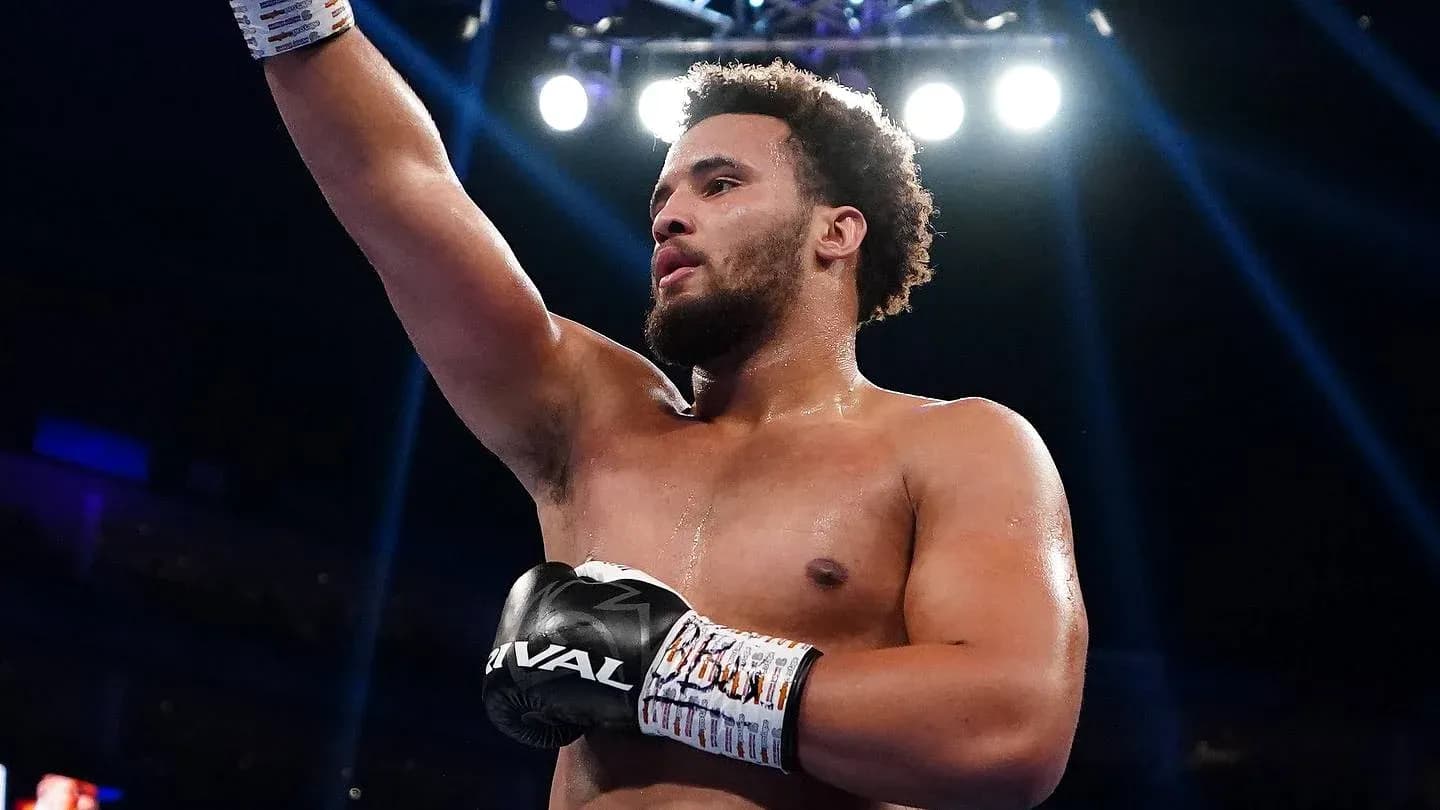
Moses Itauma is 21 years old and already walking toward the kind of night fighters dream about and history rarely allows. One more win, under the lights of the O2 Arena on Saturday, and he becomes the youngest world heavyweight champion in British boxing history.
That’s the prize. The backdrop is far messier.
A title on the line – and a point to prove
The O2 will roar for him. A partisan London crowd, a rising star, a belt on the table. But Itauma isn’t just chasing hardware; he’s trying to bury a story that has followed him into fight week.
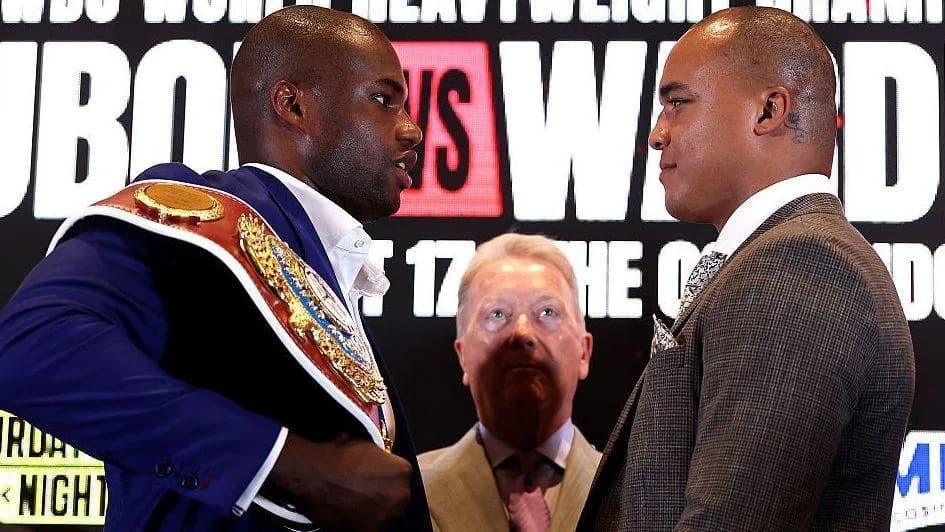
Filip Hrgovic has spent the build-up trying to strip away the mystique. The Croatian contender hasn’t gone after Itauma’s jab, footwork, or chin. He’s gone after his upbringing. His opportunities. His reputation.
Privileged. Spoiled. Handed everything.
That’s how Hrgovic has painted him, insisting the British prodigy has been pampered on the way to this stage, pushed and protected while others had to slog through the shadows.
Itauma heard all of it. He chose not to let it slide.
“Golden child”? Itauma bites back
Hrgovic’s angle is clear: if Itauma is the golden boy, then beating him means more. It dents the hype, exposes the system, and elevates the veteran as the man who punctured the bubble.
Itauma doesn’t buy it.
“I don’t get treated the way I am for no reason; there's obviously something about me that Queensberry pushes,” he said, pointing not to what he has already done, but to what he believes he can still become. “And it’s not what I have done, but what I could do. And I feel like with every fight I have, I’m proving to them that I can do it; I am capable of what they think I’m capable of.”
He doesn’t deny he’s been pushed. He just refuses the idea that it’s unearned.
“Have I been treated like a golden child? I wouldn’t say so, because it’s not for no reason.”
The numbers on his record and the images on the highlight reels are his counterargument. His destruction of opponents like Jermaine Franklin isn’t, in his mind, the work of a manufactured prospect being carefully escorted through soft touches. It’s proof that he belongs, that his power and composure under pressure are real, not curated.
His conditioning, his training, the grind behind closed doors – that, he insists, is where he’s forged. Not in the lap of luxury.
Shared roots, different narratives
There is an irony at the heart of this feud. Both men come from Balkan backgrounds, from regions where boxing sits behind football and basketball in the funding queue. Neither grew up in a system overflowing with resources.
Yet Hrgovic has chosen to frame Itauma as the one who had it easy, the fighter carried to the top of the bill on a silver platter.
Itauma pushed back by turning the spotlight onto Hrgovic’s own path.
“He also had an Olympic medal, which obviously, they don’t just hand them out,” Itauma pointed out. With that medal came profile, leverage, a head start. “With that Olympic medal, there came already a bit of a head start. Whereas there are certain guys that would have had to start from scratch. Small hall shows, probably even unlicensed and XYZ.”
Hrgovic, Itauma argues, didn’t exactly slog through obscurity.
“Filip Hrgovic still started with a head start because of an Olympic medal, which he did achieve, which he did earn. But I wouldn’t say that he has had the toughest route to where he's got to.”
Then came the sharpest jab of the week: Zhilei Zhang.
Itauma highlighted the controversial decision that went Hrgovic’s way in that fight, a result many felt could have gone the other way.
“I think he was very fortunate to get the decision of Zhilei Zhang. Had he not got that decision, would he have got all the fights that he’s had now? Do you know what I mean?”
It was more than a dig. It was a direct challenge to Hrgovic’s narrative of hardship, suggesting that key moments and favourable calls have helped shape his rise too.
The stiffest test yet
Strip away the talk and the stakes remain enormous. Hrgovic is the toughest opponent of Itauma’s career, a seasoned, heavy-handed contender who has seen far more rounds at the top level. He’s not a stepping stone; he’s a threat.
The verbal sparring has been sharp, but Itauma has worn it lightly. The barbs, the trolling, the attempts to needle him – none of it has appeared to rattle his composure in public. He answers, then moves on. No theatrics, no shouting matches.
The real reply, he knows, has to come under the lights.
On Saturday, the microphones go quiet. The insults stop counting. The only language that matters is the thud of leather and the referee’s count.
One man walks out with a belt and the right to say, with no debate, that he backed up every word.
Will it be the veteran trying to puncture the myth, or the young contender trying to rewrite British heavyweight history in a single night?