.svg&w=384&q=75 "logo")
Mike Perry's Duel Arena Nightmare: TKO Loss to Brandon Jenkins
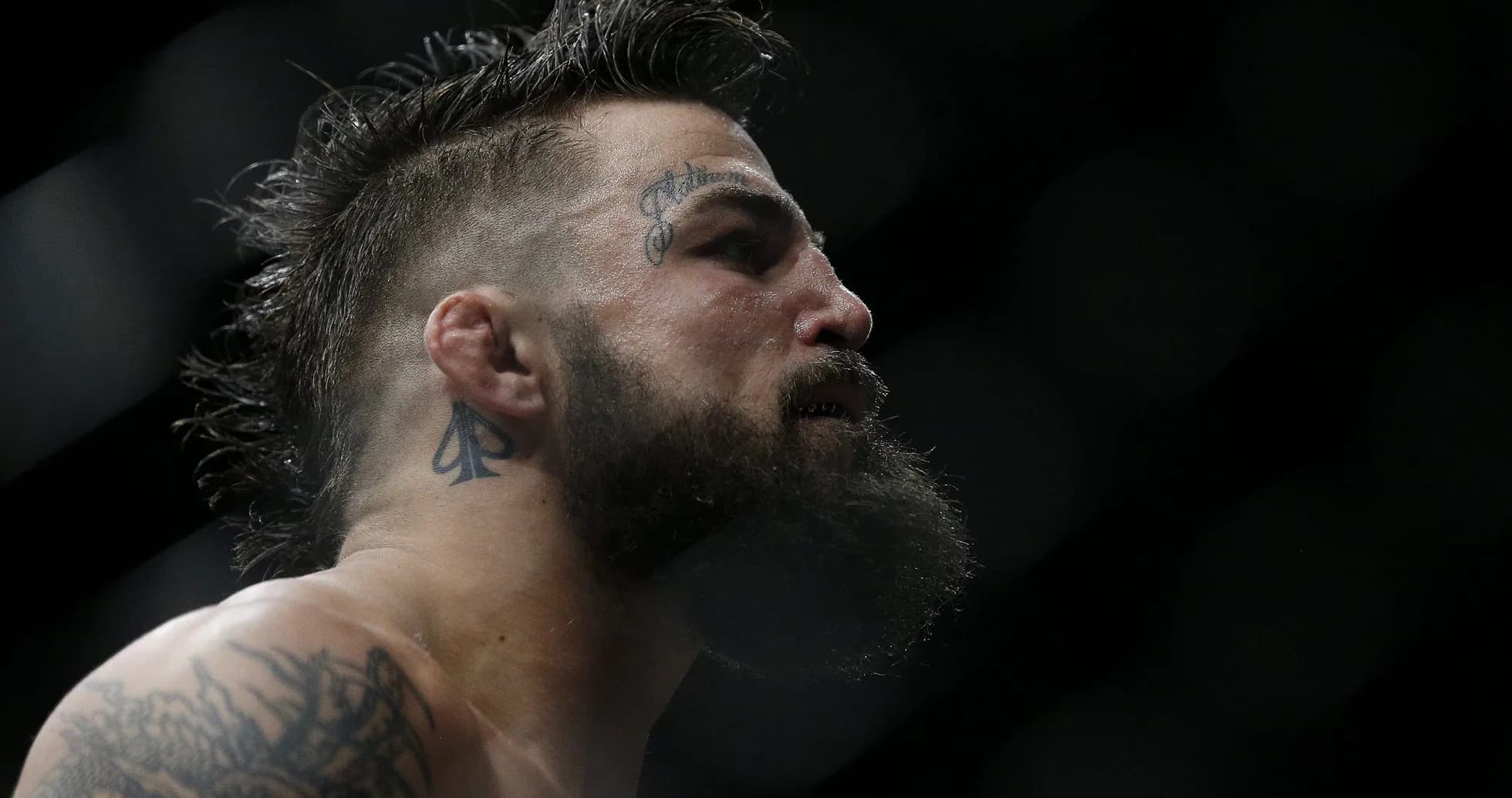
Mike Perry walked into Orlando as the star attraction, the -900 favorite, the man whose name alone had turned a fledgling promotion’s debut into an event. He left with a dislocated shoulder, a first-round TKO loss, and a hard reset on the story he thought he was writing.
This was supposed to be straightforward. A showcase. A stay-busy fight while he cashed in outside the UFC and kept his name hot after stopping Nate Diaz at MVP MMA 1 in May. Instead, Duel Arena 1 ended with Brandon Jenkins standing over him, the +600 underdog who flew in on a day’s notice and tore up the script.
A Late Call, A Long Shot, A Stunning Finish
Perry’s original dance partner, Dillon Danis, pulled out on Thursday. Chaos for the promotion, opportunity for Jenkins. He jumped on a plane to Florida, moved up to middleweight from his old UFC lightweight days, and walked into a main event he was never meant to have.
On paper, this was a mismatch. Perry, the brawler reborn as a bare-knuckle star and cult figure, against a short-notice replacement who hadn’t been anywhere near the same spotlight. Bettors agreed: the lines painted Jenkins as a formality, not a threat.
Then the cage door shut, and reality turned.
Early in the first round, Perry suffered a dislocated shoulder. In fights like this, one moment changes everything. Jenkins didn’t hesitate. He went to the body, hammered in a kick, followed with punches, and forced the TKO. No feel-out round. No slow burn. Just a brutal, clinical finish of a wounded favorite who suddenly couldn’t protect himself.
The upset was so jarring that it almost overshadowed the context: Jenkins had accepted the bout with virtually no preparation time, jumped a weight class, and still found a way to seize his chance when Perry’s body betrayed him.
From Diaz High to Duel Arena Low
For Perry, the timing could hardly be worse. His TKO win over Nate Diaz in May had reignited talk of a UFC return. He had built a second career outside the Octagon, piling up wins, building his brand, and proving he was more than the wild prospect who once burned hot and faded inside the promotion.
Instead of riding that momentum back to the UFC, he chose Duel Arena, a move that made financial sense and offered him center stage. The event was even initially set as a pay-per-view before Danis’ withdrawal forced the promotion to pivot and stream it for free.
Everything about the night was built around Perry. The name, the marketing, the matchup. What looked like an easy win on paper turned into a harsh reminder of how unforgiving this sport can be. Injury or not, a -900 favorite losing to a late replacement who wasn’t expected to be competitive will linger on his résumé.
Where They Go From Here
The loss doesn’t erase Perry’s recent run, but it complicates it. A shoulder injury provides context, not comfort. If he still harbors hopes of a UFC return, he now faces a different road: he’ll need another statement win outside the promotion to convince matchmakers that this was a freak night, not a sign of decline.
Jenkins, meanwhile, leaves Orlando with his career suddenly alive in a way few saw coming. He walked in as a short-notice solution. He walked out as the man who finished Mike Perry. That kind of result gets remembered. It gets replayed. It gets discussed in matchmaking meetings.
If the UFC needs a late replacement down the line, a name like Brandon Jenkins, who just flew across the country on a day’s notice and took out a heavy favorite at a higher weight, becomes a very easy one to circle.
One man’s disaster often becomes another man’s second chance. In Orlando, that equation played out in real time.