The Wider Impact of the Man City Verdict Beyond Football
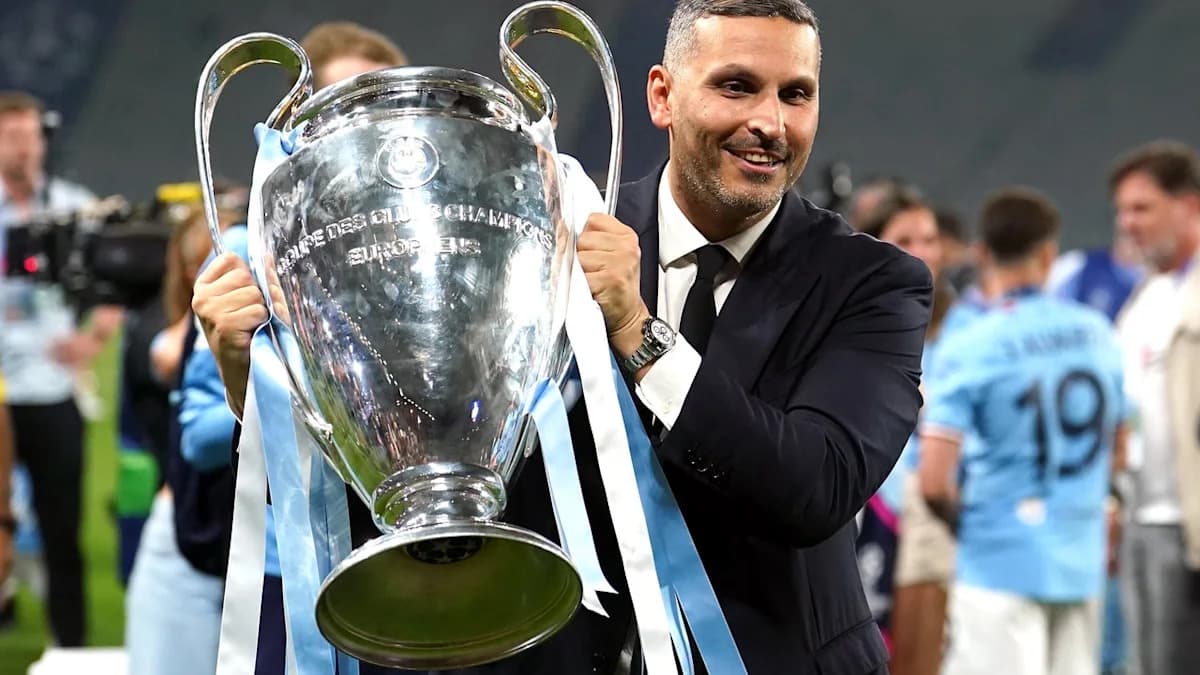
Khaldoon Al Mubarak, chairman of Manchester City, broke his usual silence following reports that the club is expected to be found guilty of breaching Premier League financial regulations. His letter to supporters showed a strong defense of the club’s position, highlighting personal stakes as well as business interests tied to Abu Dhabi.
Al Mubarak stressed his unwavering confidence in proving the club's innocence, referencing earlier statements from February 2023 that claimed there was an "irrefutable" body of evidence supporting their case. Yet, the independent panel seems to have rejected much of that evidence, leading to the expected verdict against the club.
The letter included remarks that some still seek to undermine the club’s progress but insisted that Manchester City would not allow such efforts to succeed. This underscores the tension since the Premier League was obligated to investigate after leaks surfaced from Der Spiegel in 2018.
Political Undertones and Trade Implications
The case’s significance extends into politics. There is talk that UK trade relations with the UAE might be impacted, recalling how in 2015 the UAE threatened to block major arms deals over political disagreements with the UK government. Khaldoon Al Mubarak, seen as a key advisor to UAE President Mohammed bin Zayed and sometimes described as the country's de facto prime minister, reportedly warned UK officials that diplomatic talks could worsen.
Those familiar with senior football executives say Al Mubarak has a reputation as a courteous negotiator but also a determined figure wielding considerable influence—a duality evident in his responses to the City case and leaked emails at its heart.
Leadership Backed by Deep Roots and Influence
Al Mubarak’s background adds further weight to his stance. Son of a former UAE ambassador who was assassinated in 1984, his patriotism runs deep. Educated abroad alongside other talented Emirati peers under former ruler Sheikh Zayed’s vision, he rose to become one of the UAE’s most powerful non-royal figures.
His roles include chairman of the Executive Affairs Authority, chief executive of the Mubadala investment fund, and chairman of Manchester City. This places the club’s operations as extensions of UAE strategy, with geopolitical echoes in controversies involving arms embargo violations in Sudan and Libya.
While Al Mubarak insists that Sheikh Mansour purchased Manchester City in a private capacity, he acknowledges the club symbolizes Abu Dhabi’s values. For Mansour personally, the case threatens a damaging public relations setback that may affect his standing in the emirate. Speculation exists about whether negative outcomes might lead to leadership changes within the club, though removal of Al Mubarak himself seems unlikely given his political stature.
Unprecedented Scale and Stakes
This is arguably the biggest controversy of its kind in European football, not only due to its scope but because it reaches into international diplomacy and state reputation. The involvement of Abu Dhabi’s funds in private equity and investments across football complicates attitudes toward the case among rival clubs and executives.
Former Manchester mayor Andy Burnham, now UK Prime Minister, has praised the club owners as major partners for the city and maintains communication with UAE leaders. Though the legal process remains independent, these connections fuel perceptions that power and influence could shape outcomes.
The Premier League’s anticipated decisive ruling surprised many, given the formidable resources available to Manchester City. That a seasoned political figure like Al Mubarak stays so confident amid such challenges adds another layer to this evolving story.