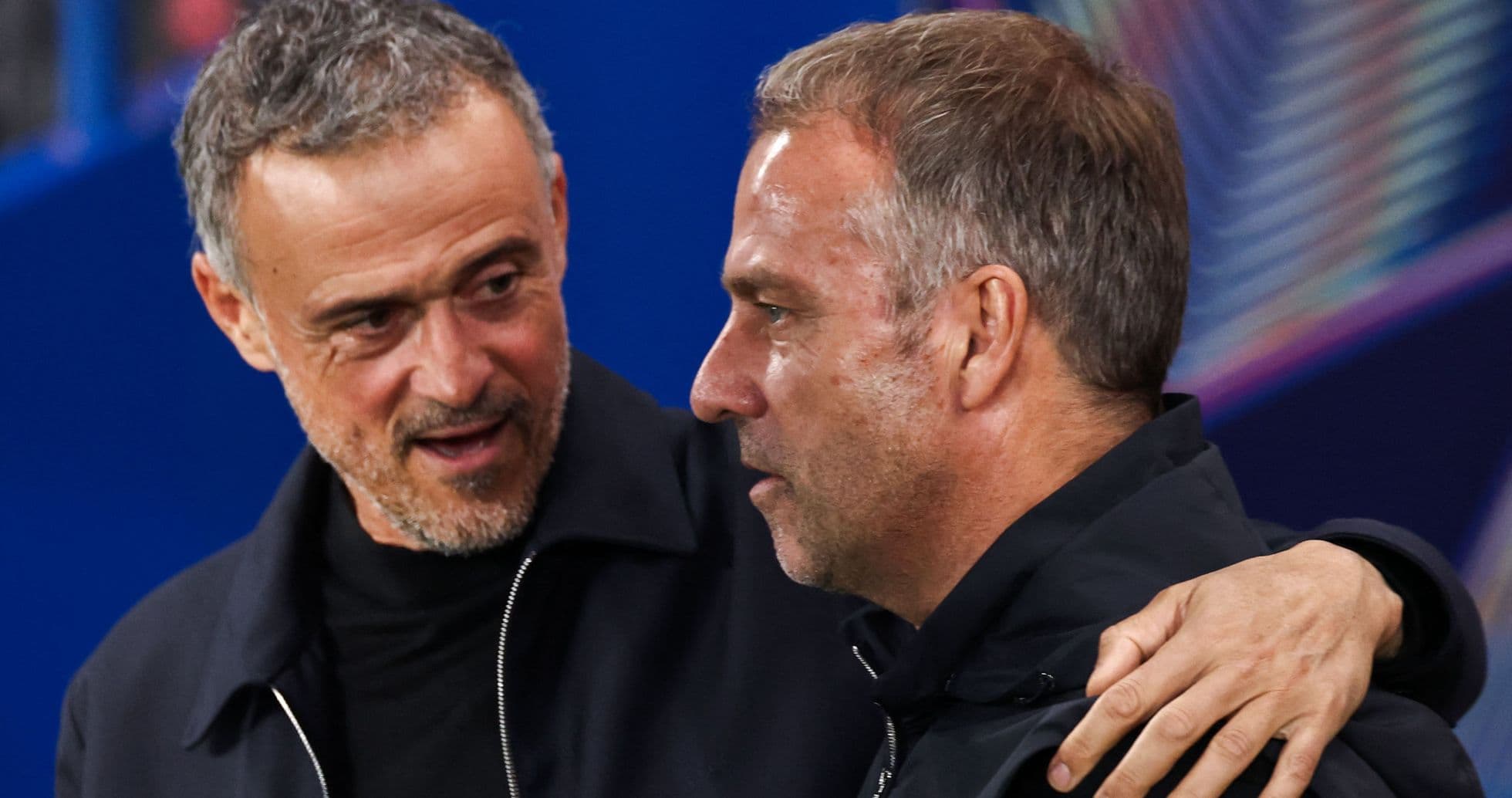
Luis Enrique’s PSG Triumphs Over Flick’s High Line in Late Drama Against Barcelona
Paris Saint-Germain secured a thrilling 4-2 victory over Barcelona, exploiting the visitors' risky high defensive line late in the match. Luis Enrique’s side demonstrated great mental strength and sharp vertical play, overturning Hansi Flick’s aggressive approach despite Barcelona’s territorial dominance for much of the game.
Tactical Setup of Paris Saint-Germain
Enrique deployed a fluid 4-3-3 formation that favored quick vertical attacks instead of controlling possession. Achraf Hakimi often moved inside to link with midfielders Vitinha and Joao Neves, turning PSG’s shape into a dynamic 3-2-2-3 when on the ball. This stretched Barcelona’s defense as PSG’s wingers stayed wide and high, forcing full-backs into tough defensive positions.
In defense, PSG pressed intensely early on, pushing forward aggressively. Khvicha Kvaratskhelia hit the post within two minutes after a turnover high up the pitch. The pressure paid off in the 38th minute when Lamine Yamal lost the ball near his own box, allowing Desire Doue to break through and score from outside the area. After halftime, PSG switched to cutting passing lanes and reading Barcelona’s buildup better.
Barcelona’s Approach and Challenges
Flick set up Barcelona in a 4-2-3-1 aiming to suffocate PSG by controlling transitions through midfielders Pedri and Marc Bernal. Breaking down PSG’s compact defense was difficult, so Barcelona relied on “third-man runs.” This worked in the 55th minute when substitute Fermin Lopez drew defenders and found Xavi Espart for an equalizer.
On the wings, Yamal stayed wide to isolate Lucas Hernandez. Surprisingly, starting Hernandez worked well for PSG; he managed to contain Yamal with tactical fouls and physicality, even scoring a crucial header in the 72nd minute. But Barcelona’s high defensive line—almost at midfield—proved vulnerable. Whenever PSG escaped the press, they sliced through Barcelona’s backline with ease. Only goalkeeper Joan Garcia’s ten spectacular saves kept the scoreline closer.
The Transition Battle Decides the Outcome
The key difference came during transitions. Both teams had 32 touches inside the opponent’s box, yet PSG was far more effective. They took 22 shots with 15 on target, while Barcelona’s intricate buildup yielded only five shots on goal. Enrique’s tactic of surrendering possession (only 47%) lured Barcelona into a false sense of control, setting them up for a late collapse.
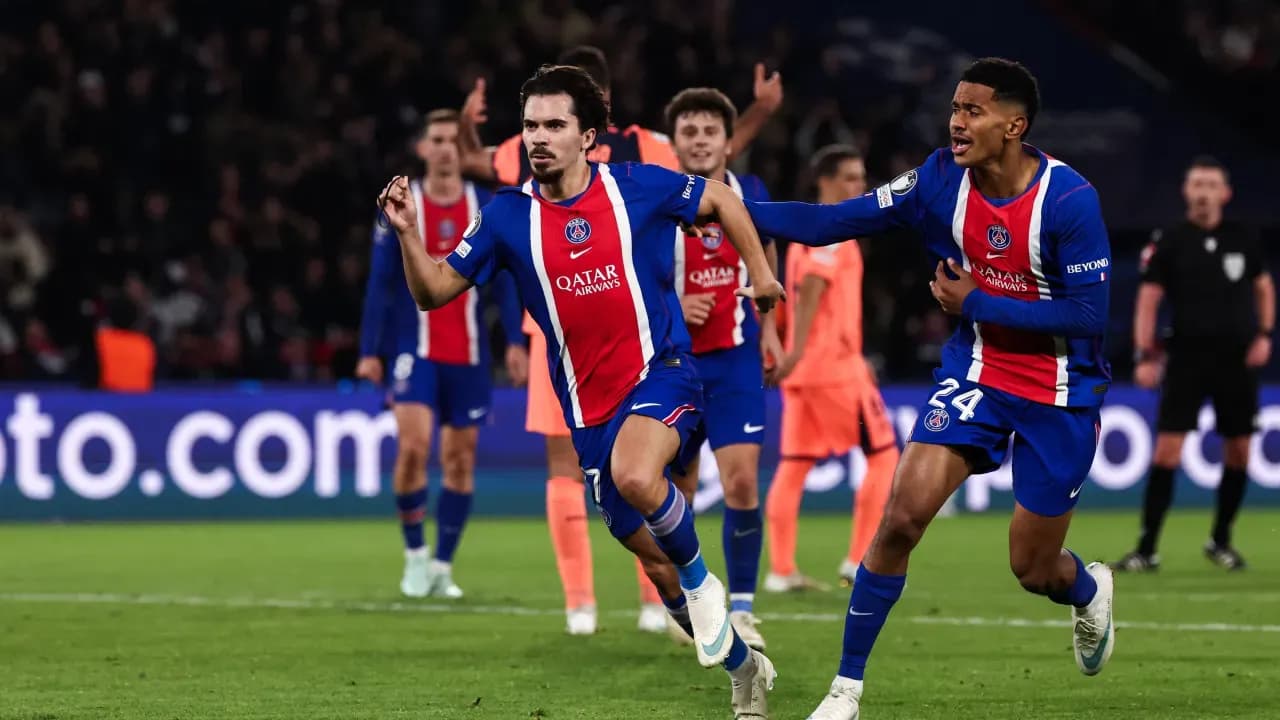
Introducing Rodri, Gavi, and Fermin Lopez gave Barcelona midfield control, but pushing too many players forward left space behind their high line. PSG exploited this with midfielders arriving late into the box: Vitinha volleyed home in the 81st minute after a half-cleared shot, and Fabian Ruiz scored at the back post in the 86th minute from Hakimi’s cross. Both goals came from deep midfield runs left unchecked.
In-Game Adjustments and Mental Resilience
Flick reacted to an injury to Dani Olmo by bringing on Rodri and Karim Adeyemi to gain control, which improved possession but not the breakthrough needed. Meanwhile, PSG coped with losing starters Dembele, Kvaratskhelia, and captain Marquinhos, reshaping on the fly.
The pivotal moment came in the 78th minute when Enrique swapped out defenders Hernandez and Doue for Warren Zaire-Emery and Senny Mayulu. With his main markers gone, Yamal drew on his freedom to capitalize on a poor clearance and score Barcelona’s second equalizer. Rather than crumble, PSG absorbed the blow and delivered a rapid two-goal counterattack to seal the win.
Summary
Barcelona’s late collapse boiled down to Enrique’s willingness to give up possession and punish the risks of a high defensive line. While Flick’s tactics allowed Barcelona to control the ball, pushing forward without enough cover left them exposed. PSG’s direct, resilient approach dismantled Barcelona’s possession game when it counted most.
Upcoming Fixtures
- PSG – Ligue 1 vs OL, 25 Oct 2026, 21:45
- Barcelona – LaLiga vs Real Madrid, 25 Oct 2026, 22:00