.svg&w=384&q=75 "logo")
Jordan Clarkson Celebrates Alex Eala's Victory at US Open
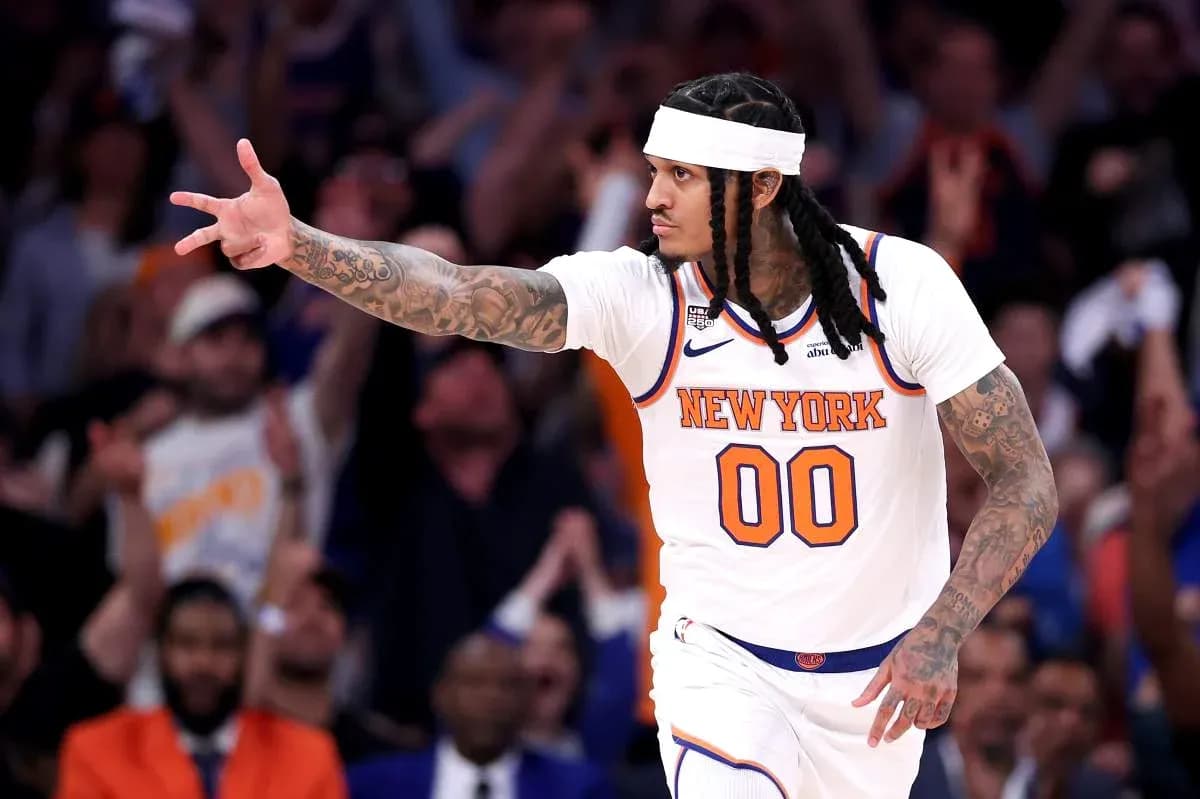
Jordan Clarkson has a new favorite in New York, and she’s not holding a basketball.
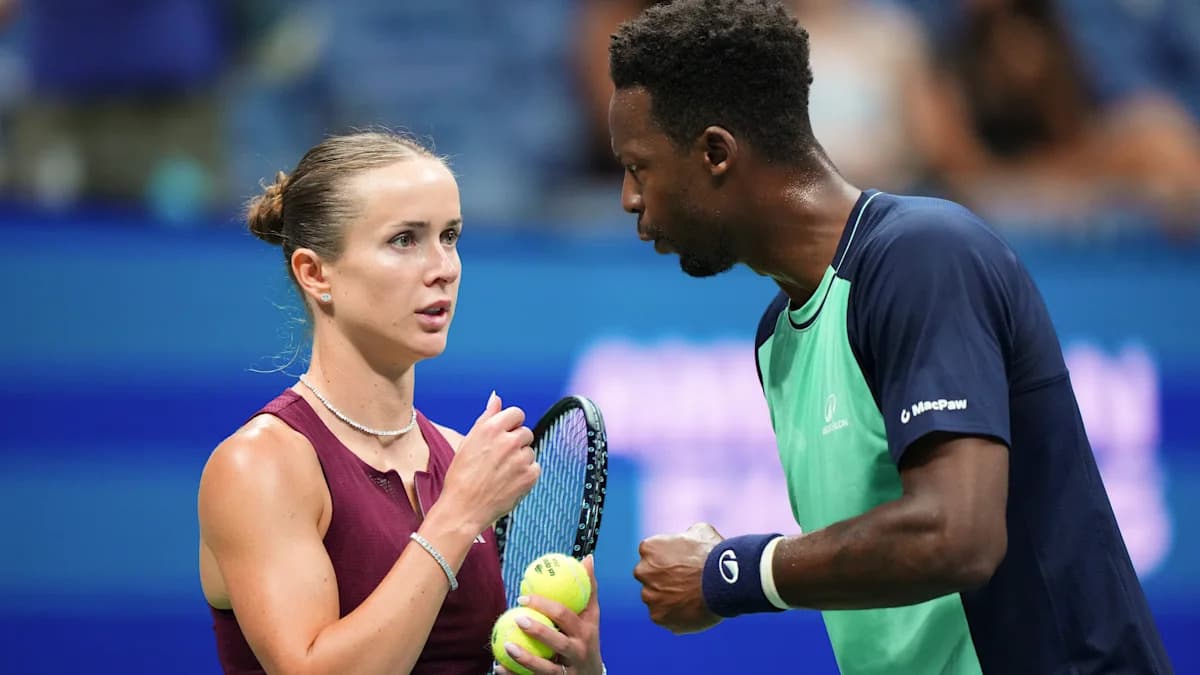
Days after crossing paths with rising tennis star Alex Eala at the US Open and bonding over their shared Filipino roots, the New York Knicks guard jumped online to celebrate her latest win. No long essay, no polished statement. Just a raw, joyful burst on X.
“Alex Eala! Let’s goooooooo,” he posted after she dismantled Mary Stoiana, 6-1, 6-2, on Louis Armstrong Stadium.
It was a short message, but it came from a place Clarkson knows well. He has worn the Philippine colors, carried that flag, and felt the weight of a nation on his shoulders. He also just spent a season reshaping his own identity in New York, learning what it means to matter in a different way.
From Sixth Man star to Knicks role player
Clarkson arrived in New York last summer in a far different position than the one that once defined him. Utah had bought out the final year of his deal, cutting the cord on a six-year run in which he became one of the league’s premier bench scorers.
With the Jazz, he lived in attack mode. In his final season there, he averaged 16.2 points, 3.7 assists and 3.2 rebounds in 26.0 minutes per game. Across six seasons in Utah, he put up 17.5 points a night in 28.2 minutes and claimed the NBA’s Sixth Man of the Year award in 2020-21. The ball found him. The offense bent toward him. His job was simple: score, and then score some more.
New York offered something else entirely.
He signed for the veteran minimum and walked into a deeper roster with bigger ambitions. His role shrank overnight. Across 72 games, Clarkson averaged 8.6 points, 1.8 rebounds and 1.3 assists in 17.8 minutes, starting only once. The volume vanished. The touches dropped. His place in the rotation shifted from focal point to puzzle piece.
That kind of adjustment can bruise an ego, especially for a former Sixth Man of the Year used to carrying second units. Clarkson chose a different response. He leaned into it. He traded shots for structure, numbers for a chance to chase something he’d never had.
The payoff was brutal and beautiful: fewer minutes, fewer headlines — and his first NBA championship.
New York noticed. The franchise rewarded the fit this summer, bringing him back on another one-year veteran-minimum deal worth $3.9 million. The contract wasn’t about box-score fireworks. It was about trust. About a veteran who accepted a smaller role and, in the process, became a cult favorite at Madison Square Garden.
The crowd embraced him because he embraced them, and the role, first.
A shared flag, a shared burden
That journey helps explain why a simple post about a 19-year-old tennis player in Queens carried more weight than it looked.
When Clarkson and Eala met during US Open week, the conversation quickly went beyond forehands and free throws. It went straight to identity. To the idea of playing not just for a team or a ranking, but for a country that watches every move.
“When you got Filipino blood, you take the whole country with you,” Clarkson told her.
Eala is starting to feel exactly that.
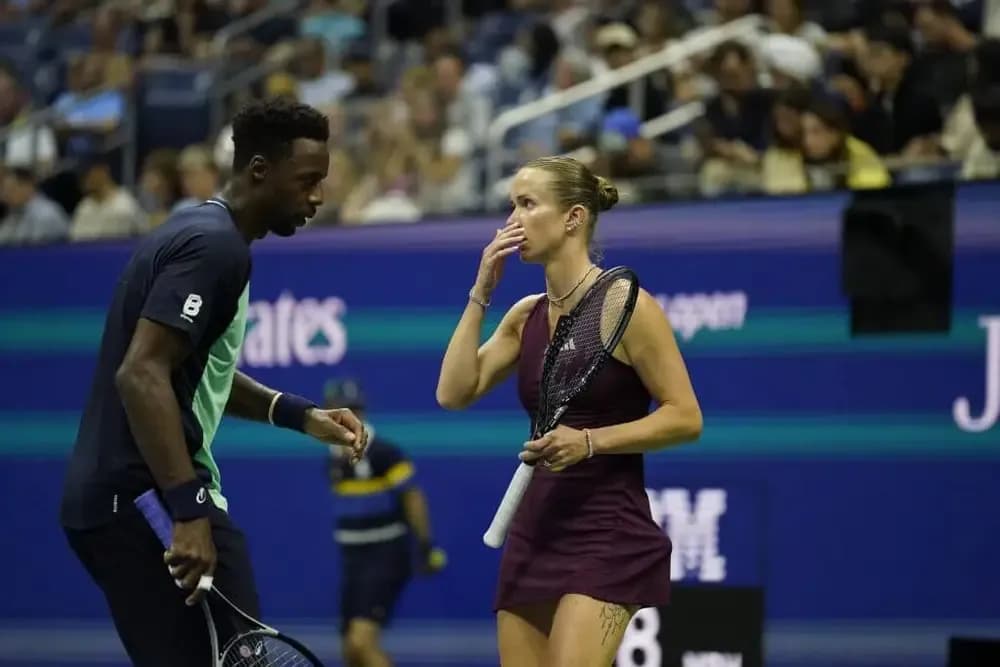
Her dominant opening-round win over Stoiana unfolded in front of a heavily Filipino crowd at Louis Armstrong Stadium. Flags dotted the stands. Every point she won felt amplified, every fist pump answered by a roar that sounded less like a tennis crowd and more like a national gathering.
Somewhere in that growing chorus, Clarkson has quietly taken his place.
The two athletes stand at very different points on the arc. Eala is on the rise, her profile stretching beyond tennis as she pushes deeper into one of the sport’s biggest stages. Clarkson is 34 now, no longer the microwave scorer who once headlined second units, but a seasoned role player chasing another ring and offering experience instead of volume.
Their careers do not mirror each other. Their timelines do not match.
What binds them is the same flag and the same expectation: represent us well.
Clarkson has lived with that responsibility for years with the Philippine national team, carrying the hopes of fans who see themselves in every drive, every jumper, every celebration. Now, as Eala tries to carve out her own place in New York’s sporting landscape, he has shifted from being the one cheered to being one of the loudest voices cheering.
The message he sent her after that win was only three words and a stretch of o’s. But for a guard who just proved how powerful it can be to embrace a new role, it felt like something more.
A champion telling the next one in line: keep going.