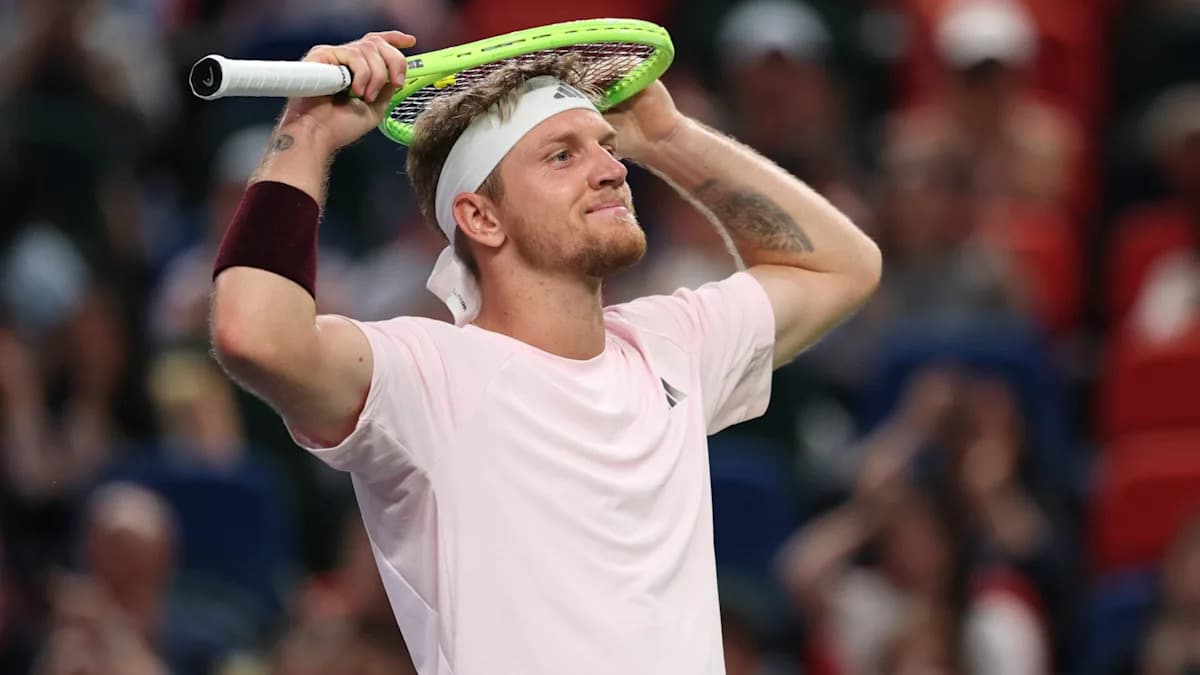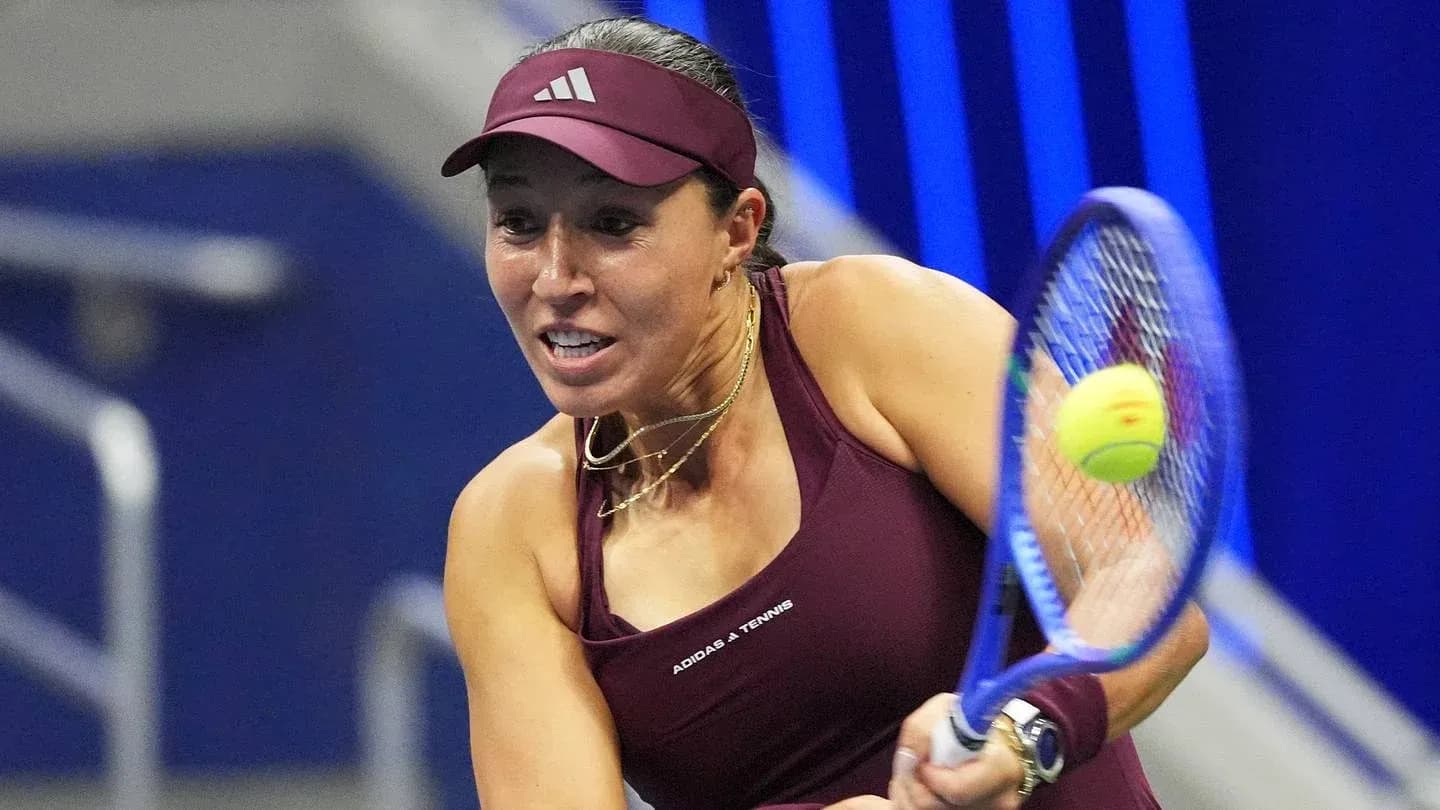
Jessica Pegula's Historic Late Bloom in Tennis
Jessica Pegula is running out of reasons to be overlooked, even as the clock keeps ticking.
On Wednesday in New York, the American slipped into yet another slice of tennis history. By reaching the US Open semifinals, Pegula became the first player in the Open Era to make her first four Grand Slam semifinals after turning 30. Not a late flourish. A full-blown second career.
A Late Bloom, on the Biggest Stages
Her breakthrough came late, and it came hard.
Pegula’s first major semifinal arrived at the 2024 US Open, just months after she turned 30. That run turned into her first Grand Slam final, where she pushed Aryna Sabalenka but fell 7-5, 7-5. The scoreline was straight sets; the margins were anything but.
She came back to Flushing Meadows in 2025 and did it again: another semifinal, another collision with Sabalenka. This time it stretched to three sets, Pegula bowing out 4-6, 6-3, 6-4. Same round, same opponent, same feeling of being right there.
Her third major semifinal came at this year’s Australian Open. Different continent, same story of fine margins. Elena Rybakina edged her 6-3, 7-6(7) in a tight, hour-and-40-minute contest that swung on a few points in the tiebreak.
Now, at 32, Pegula has pushed the bar even higher. Her comeback win over fellow American Emma Navarro this week delivered that record fourth semifinal after 30. She trailed by a set and a break in the third, then turned the match on its head to win 3-6, 6-4, 6-3. It also locked in a third consecutive US Open semifinal, a streak that speaks to stubborn consistency as much as talent.
She has been open about how long it has taken to break through. Earlier this year, after finally reaching her first Australian Open semifinal, she said: “I’ve been [into major quarterfinals] so many friggin’ times. I just kept losing, but to great players, I mean, to girls that went on and won the tournament... So I know everyone keeps asking me about it, but I don't know what else to do. I just need to get there again and win the match.”
That line hangs over every deep run she makes now.
Built on Scar Tissue
Pegula’s career is not the story of a smooth rise. It’s built on surgeries, rehabs, and the kind of patience that usually belongs to coaches, not players.
A serious knee injury sidelined her from late 2013 to early 2015 and required surgery. In January 2017, a hip operation wiped out most of another season. Those stops and starts shoved her prime years down the road, into an age bracket where most top players are already managing decline.
That context sharpens every milestone. In 2024, she became the oldest U.S. woman in the Open Era to reach her first major singles final. Not just a personal best, but a national record.
This season, she has backed that up with relentless week-in, week-out quality. Pegula arrived at this US Open semifinal with a 50-12 record on the year and two titles already in her pocket, in Dubai and Charleston. On the North American hard courts, she reached finals in Washington and Cincinnati, then rode that form straight into New York.
She still does not have the major trophy her level deserves. Yet on paper and on court, this has been one of the best seasons of her career.
Sabalenka Again, and the Question She Can’t Escape
The reward for her fourth semifinal run? A third straight showdown with Sabalenka at the same stage of the US Open.
Pegula walked into that matchup trailing 4-9 in their head-to-head against the world No. 1. The pattern is familiar: Pegula playing some of the best tennis of her life, Sabalenka standing between her and the next step.
That dynamic feeds the question that has shadowed her for the past year: how much time does she really have left to win a Grand Slam?
Pegula has not pretended this will last forever. On the Tennis Insider Club podcast, she made it clear she does not plan to play past 35 and has floated the 2028 Los Angeles Olympics as a possible final tournament. A finish line, penciled in on home soil.
So here she is at 32, four semifinals deep into this late bloom, with no major title yet on the shelf. Every Slam now carries the weight of opportunity and expiration at once. Every second week at a major feels a little more urgent.
For most players, the mid-30s mark the slow fade. For Jessica Pegula, the race is only now at full sprint.