Jelena Ostapenko's Fiery US Open Doubles Journey
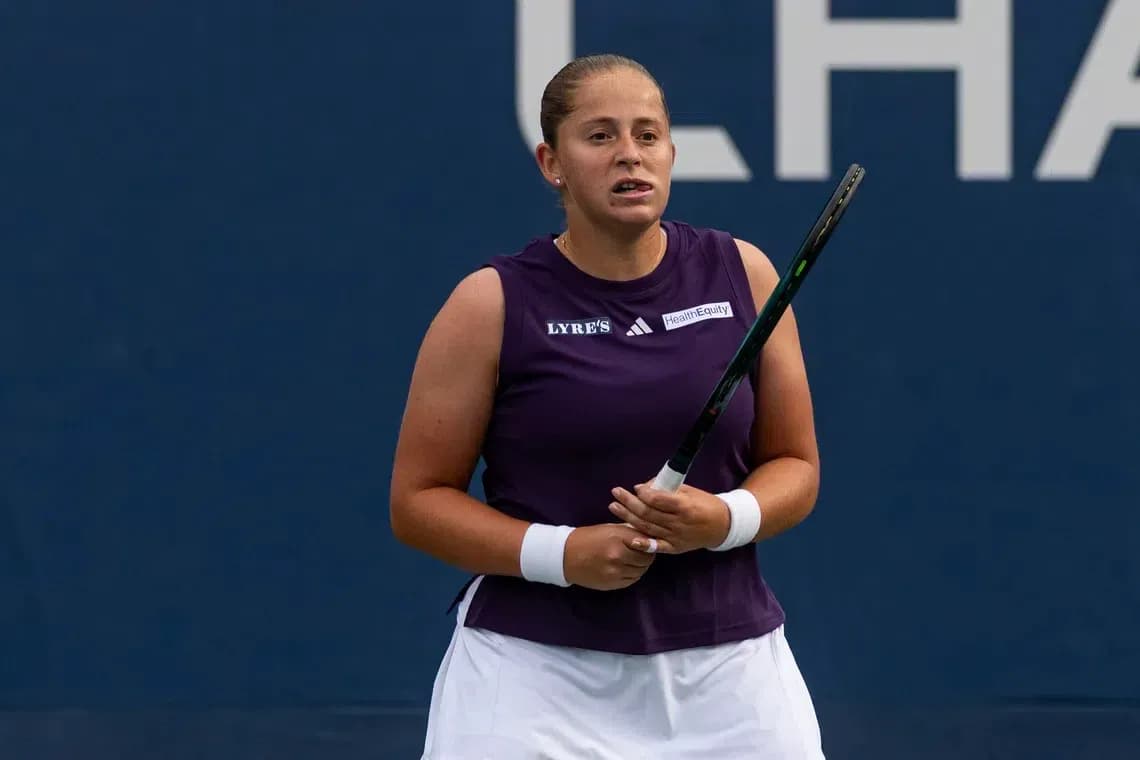
NEW YORK – Jelena Ostapenko has never been one to tiptoe through a tennis tournament, and she wasn’t about to start in the heat of a US Open doubles run.
The 2017 French Open champion found herself at the centre of another storm on Sept 7, after she and partner Hsieh Su-wei reached the women’s doubles quarter-finals – and then walked straight into a confrontation beyond the baseline.
The fourth seeds had just handled the Australian–Chinese Taipei duo of Maya Joint and Chan Hao-ching 6-4, 6-4, a solid, controlled win that tightened as the match wore on but never truly slipped from their grasp. The real tension, though, crackled away from the ball.
Flashpoint on the changeover
The atmosphere shifted during a changeover when Hsieh approached the chair umpire, and Ostapenko turned sharply toward the opposing box. She gestured firmly at Joint and Chan’s coach, demanding that the official step in.
According to Ostapenko, the coach had been clapping and shouting after their errors and offering sarcastic praise in Chinese after their better shots – comments Hsieh translated for her on court. Ostapenko made her feelings clear to the umpire, labelling the behaviour “very disrespectful” and insisting on a Chinese translator to help address the situation properly.
“They do this because they know they cannot beat us,” she told the chair, her frustration spilling into a pointed accusation about gamesmanship and respect.
The umpire agreed to handle the matter, and with that, the tennis took over again.
Turning up the heat
If the intention from the other side had been to rattle Ostapenko and Hsieh, it backfired. The pair came out of the exchange sharper, more aggressive, and visibly fired up. They tightened their patterns, pressed on return, and clamped down on the key points to close out the straight-sets victory.
When match point landed, Ostapenko did not celebrate quietly. She turned toward the opposing box and let out a full-throated roar, a visceral release that underlined the edge that had run through the contest.
The post-match rituals reflected the mood. Hsieh and Chan did not shake hands at the net, a rare breach of the sport’s usual civility and a clear sign that the animosity had not cooled with the final ball.
A familiar figure in the fire
For Ostapenko, this was not unfamiliar territory. The Latvian has built a reputation as one of the tour’s most combustible competitors, her shot-making matched by an emotional intensity that often drags her into controversy.
She was involved in another high-profile clash at the US Open in 2025, when she accused American Taylor Townsend of having “no class” and “no education” during a heated on-court exchange. Ostapenko later apologised for those remarks, saying her words had been misunderstood because English is not her first language.
The pattern is clear: when the stakes rise, Ostapenko does not retreat. She confronts. She argues. She plays with fire and often stands in the middle of it.
Now, with a place in the women’s doubles quarter-finals secured alongside the wily, unflappable Hsieh, the question is not whether Ostapenko will stay out of the spotlight.
It’s how long this combustible mix of brilliance and volatility can keep powering her deeper into the New York fortnight.