Jannik Sinner's Dilemma: Chase Points or Prioritize Health?
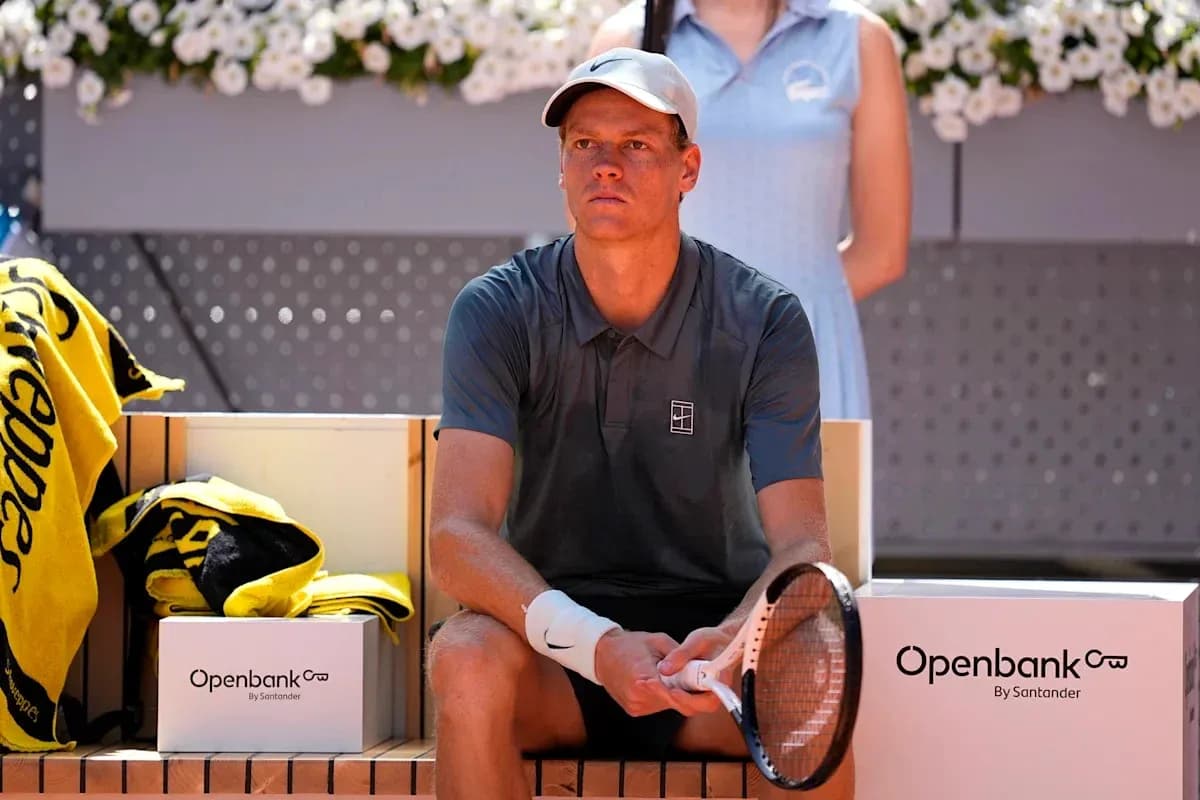
The last time Jannik Sinner struck a ball in anger, he was standing on Centre Court, Wimbledon trophy raised to the sky, the sport at his feet. That was July 12. Since then, the World No. 1 has been a ghost on the tour, his absence stretching past two months as the calendar rolls toward the Asian swing and the hard, humid reality that comes with it.
Fans are ready for his return. Some in Italy, though, are wondering if he should wait.
Former ATP pro Stefano Pescosolido has urged caution, arguing that Sinner’s next move should be dictated not by rankings or obligations, but by his body.
“I think he’s a little more careful from a physical standpoint. He wants to avoid relapses,” Pescosolido told Tuttosport, framing the dilemma with the clarity of someone who’s lived the grind. “The Slams are his main goal, and I imagine he wants to be at his best next year to try to win as many as possible. There are two options: Beijing and Shanghai, or starting with the indoor tournaments.”
That split is no small choice. It’s a fault line that could shape both his health and the No. 1 ranking.
The Heat Problem Sinner Can’t Ignore
Sinner’s talent is unquestioned. His resilience in brutal conditions is not.
The Italian’s struggles in the heat have become a recurring subplot of his rise. The last two Australian Opens left images of him wilting under the sun. Several European events have told similar stories. The most dramatic, and damaging, came at Roland Garros this year.
In Paris, Sinner stood one game from victory against Juan Manuel Cerundolo in the second round. One game. Then his body betrayed him. Full-blown cramps, energy gone, resistance almost non-existent. The World No. 1 crashed out in a loss that stunned the tournament and exposed the cost of his schedule.
It wasn’t lost on anyone that he had played all five Masters 1000 events in the build-up to Roland Garros. He swept up titles, yes, but also piled on miles and stress. The cumulative fatigue showed up at the worst possible moment.
That is the backdrop to Pescosolido’s warning about Asia.
Last year at the ATP 1000 in China, conditions hit Sinner hard. He withdrew due to cramps. At the Shanghai Masters, even under the lights in a night session, he struggled with the humidity and retired against Tallon Griekspoor. The pattern is clear: hot, heavy air is his toughest opponent.
“He could skip the Asian trip and return from Vienna, to be ready for the ATP Finals, in order to best plan for the following year,” Pescosolido suggested.
From a purely physical standpoint, it makes sense. Indoors, the heat disappears. The numbers tell their own story: ten titles from twelve finals on indoor courts. Two trophies in Vienna. A surface and environment that suit his precise, aggressive game and protect his body from the extremes.
For a player whose long-term goal is to dominate the Slams, the logic is hard to dismiss.
The Ranking Risk: Zverev Waiting in the Wings
But the tour doesn’t pause for anyone, not even the man on top of the rankings.
Skipping Asia would come with a price. Sinner is already qualified for the ATP Finals in Turin, and the chance to play for the season-ending crown in front of a home crowd is clearly a priority. The problem is what happens between now and then.
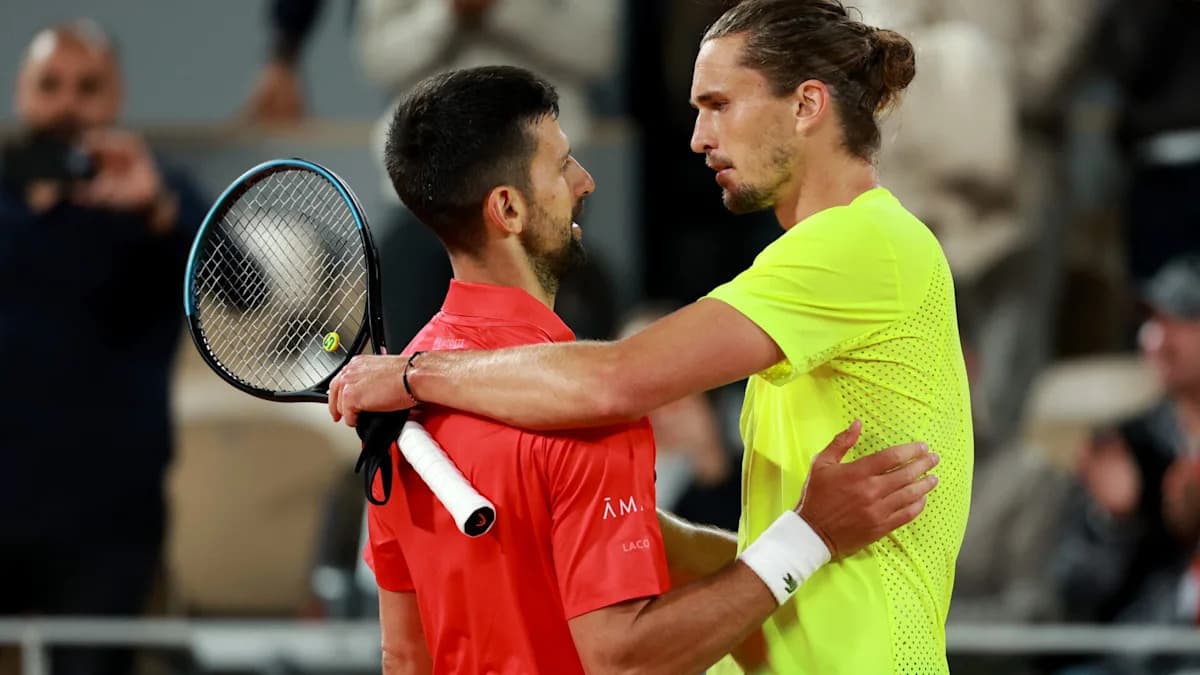
If Sinner sits out Beijing and Shanghai, the door swings open for Alexander Zverev.
The Italian is the defending champion in Beijing. Should he not play, 500 points vanish from his total, even if Zverev also skips the event. The German, meanwhile, has little to defend from last year’s Asian swing. His slate is relatively clean, his upside significant.
Given Zverev’s form—two Major titles this year—Shanghai suddenly becomes a crucial battleground. A deep run there, and the gap to Sinner shrinks again. The pressure then shifts to the indoor season, where Sinner has to defend a mountain of points from last year: titles in Vienna, Bercy, and a triumphant run at the ATP Finals.
Zverev won’t be strolling through that period either. He reached the final in Vienna and the semifinals at the Paris Masters last year, so he has his own points to protect. But his motivation is obvious. The German has been almost restrained when discussing his Grand Slam success this season, aware that Sinner and Carlos Alcaraz have been missing from key stages. Taking the No. 1 ranking outright would silence that caveat.
If Sinner hands him a free shot by skipping Asia, the race tightens dramatically.
A Calculated Gamble
So the Italian stands at a familiar crossroads for great champions: short-term security versus long-term dominance.
On one side, Beijing and Shanghai, where he has history and success—two titles in Beijing, one in Shanghai, and the aura of a player who knows how to win in those arenas. On the other, an indoor restart in Vienna, where the conditions are controlled, the risk of heat-induced collapse is minimized, and the build-up to Turin can be carefully scripted.
Pescosolido’s argument is rooted in the scars of this season: the cramps, the withdrawals, the sight of the World No. 1 unable to finish a match in Paris or Shanghai. The counter-argument is rooted in the rankings table and in pride. Sinner’s every move now shapes the tennis calendar, and any absence creates opportunity for those chasing him.
If he chooses caution, he might hand Zverev a clear path to No. 1. If he chases points in Asia, he risks walking back into the same physical storm that has already cost him once this year.
For a player who has already conquered Wimbledon and sits atop the sport, the next decision won’t just define his autumn. It might tell us how long he intends to stay there.