Jai Opetaia vs David Benavidez: A Blockbuster Callout in Vegas
Jai Opetaia didn’t just win a world-title fight in Las Vegas. He kicked the door open on the next one.
On a night built to showcase Zuffa Boxing’s ambitions, the Australian southpaw walked down Noel Mikaelian, broke him apart, and then used the microphone to call out the man everyone wanted to see him with anyway: David Benavidez.
By the time the dust settled at T-Mobile Arena, the result felt bigger than a ninth-round stoppage. It felt like the opening scene of a blockbuster.
Opetaia breaks a man who'd never been broken
Mikaelian arrived with a reputation for durability: 32 fights, 28 wins, three narrow defeats, never stopped. That record is gone now.
Opetaia, fighting under the Zuffa banner and stripped of his IBF title before he’d even walked to the ring, fought like a man intent on reminding the sport exactly who he is. He boxed patiently, then cruelly, picking apart the WBC cruiserweight champion across the early and middle rounds.
The key moment came in the ninth.
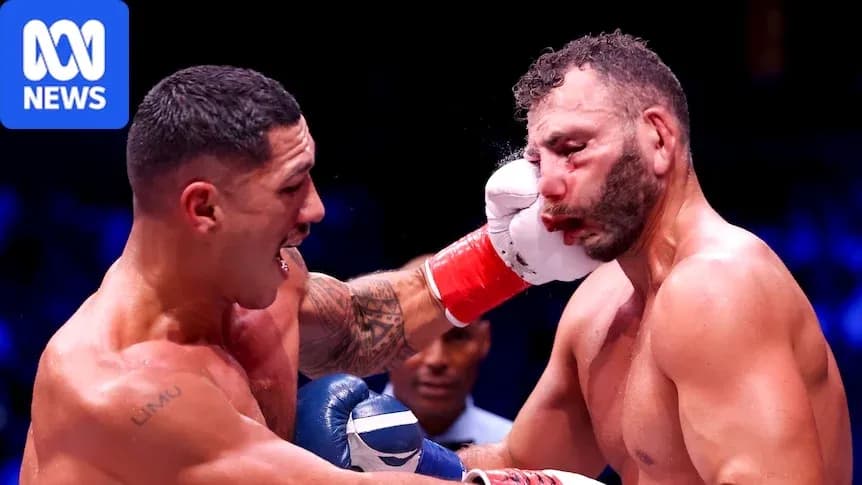
A short right hook from Opetaia, barely more than a whip of the shoulder, detonated on Mikaelian and froze him in place. The Australian didn’t hesitate. He piled on three more clean shots, drove Mikaelian back into the ropes and forced the referee into a standing count.
There was no coming back. The count felt like ceremony.
For the first time in his career, Mikaelian was stopped. Opetaia moved to 31-0 and made a statement that went beyond numbers on a record.
Blood, belts and a callout in the desert
Opetaia’s left eye swelled almost immediately after a clash of heads in the opening round, a reminder that this wasn’t some sparring session disguised as a title fight. He boxed through it, then beamed through it.
“I’m still here, still undefeated and like I said — who’s next?” he said in the ring, the eye puffed up, the voice anything but.
He already knew the answer.
American star David Benavidez, the two-belt cruiserweight champion and a world champion in two other divisions, had been watching from ringside. Opetaia waved him up onto the canvas, turned the post-fight interview into a negotiation and the arena into a boardroom.
“I respect him. He’s done a lot for the sport and what better fight to make. Respectfully, let’s get it on,” Opetaia told him, face to face.
Benavidez didn’t play coy. He didn’t need to.
“Let’s do it right here, Cinco de Mayo next year,” he replied, locking in May 5 in Las Vegas with a handshake and a promise.
“I like this man. He looks like he likes war. I am the same way, so we’re going to give the fans a hell of a fight.”
Opetaia’s grin told the rest of the story.
“He’s said it now, he’s not taking it back,” the Australian said, half thrilled, half warning.
Within minutes, Opetaia was on his way to hospital for precautionary scans. The fight had been that physical. The future had been that clear.
Politics in the background, violence in the foreground
The belts, as ever in modern boxing, tried to complicate things.
Mikaelian walked in with the WBC title, but the organisation’s refusal to sanction Zuffa bouts means Opetaia is unlikely to leave with that strap officially attached to his name, no matter what the performance suggested.
Benavidez, already carrying the WBA and WBO titles at cruiserweight, is due to defend in December. That fight could drag the WBC into the mix too, if top contender Michal Cieslak is elevated and the belt comes into play. By the time May 5 rolls around, Benavidez could be walking to the ring with even more hardware.
Opetaia, meanwhile, is still locked in a legal fight with the IBF, who are attempting to reclaim the belt he once held in the ring and now battles for in court. At present, only the WBA among the sport’s four major bodies is openly working with Zuffa.
On paper, it’s a mess. In reality, it might not matter.
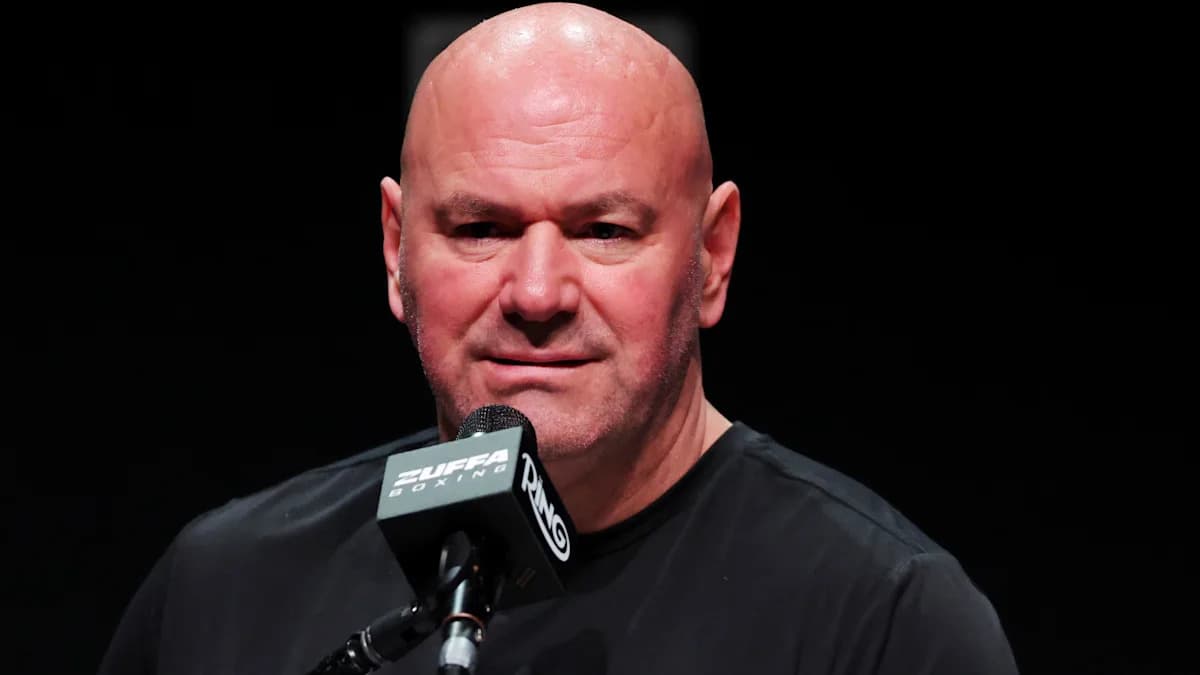
Zuffa boss Dana White, a long-time critic of post-fight matchmaking theatrics in both boxing and MMA, watched the whole thing unfold and couldn’t pretend he wasn’t hooked.
“There was a lot of wheeling and dealing going on in this arena tonight,” he said, half amused, half impressed.
“We’ve gotten into a better place with the sanctioning organisations so we’ll see how that plays out. But we all know these are the two baddest dudes in the world in that weight class. So belts, no belts, whatever.”
That’s the crux of it. The politics will swirl. The lawyers will talk. The sanctioning bodies will posture.
But on a hot night in Vegas, in front of cameras and a crowd that knew exactly what it was witnessing, Jai Opetaia and David Benavidez did what the sport so often fails to do: they made the fight themselves.
Now the question is simple. On Cinco de Mayo, in a city built on risk, which unbeaten man is willing to lose everything to prove he’s the one who never breaks?