The Forgotten Rivalry of Three Hall of Famers That Shaped Lightweight Boxing
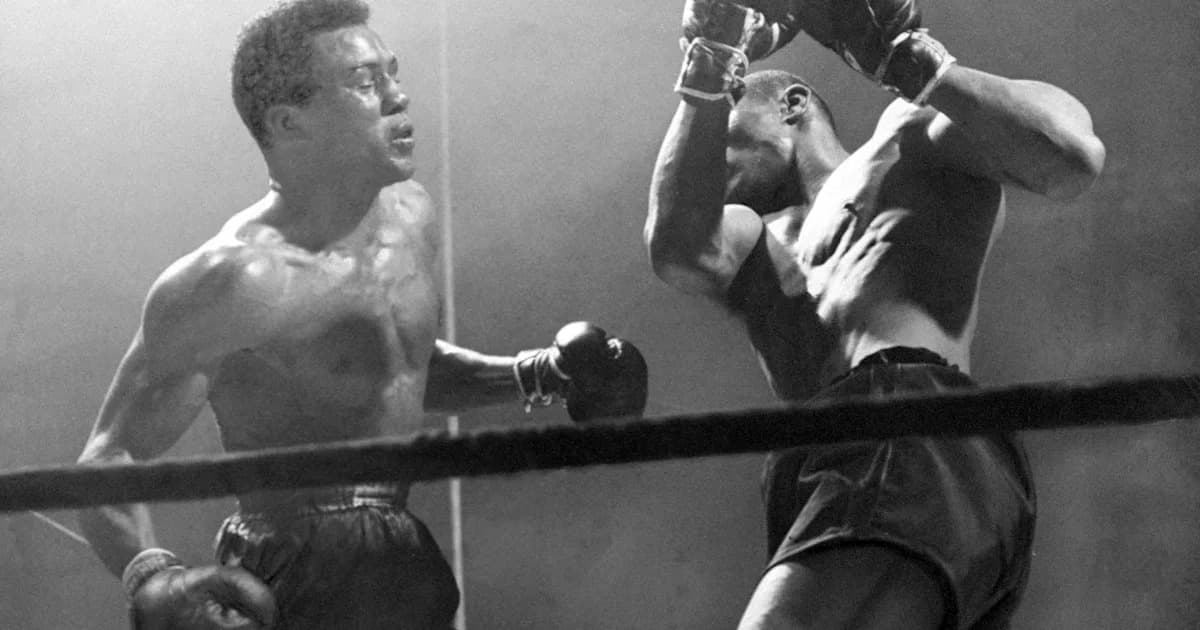
Back in the 1940s and 1950s, the lightweight division was defined by a fierce rivalry among three future Hall of Famers: Bob Montgomery, Beau Jack, and Ike Williams. Together, they fought 10 bouts totaling 109 rounds, pushing each other to their limits and captivating boxing fans nationwide.
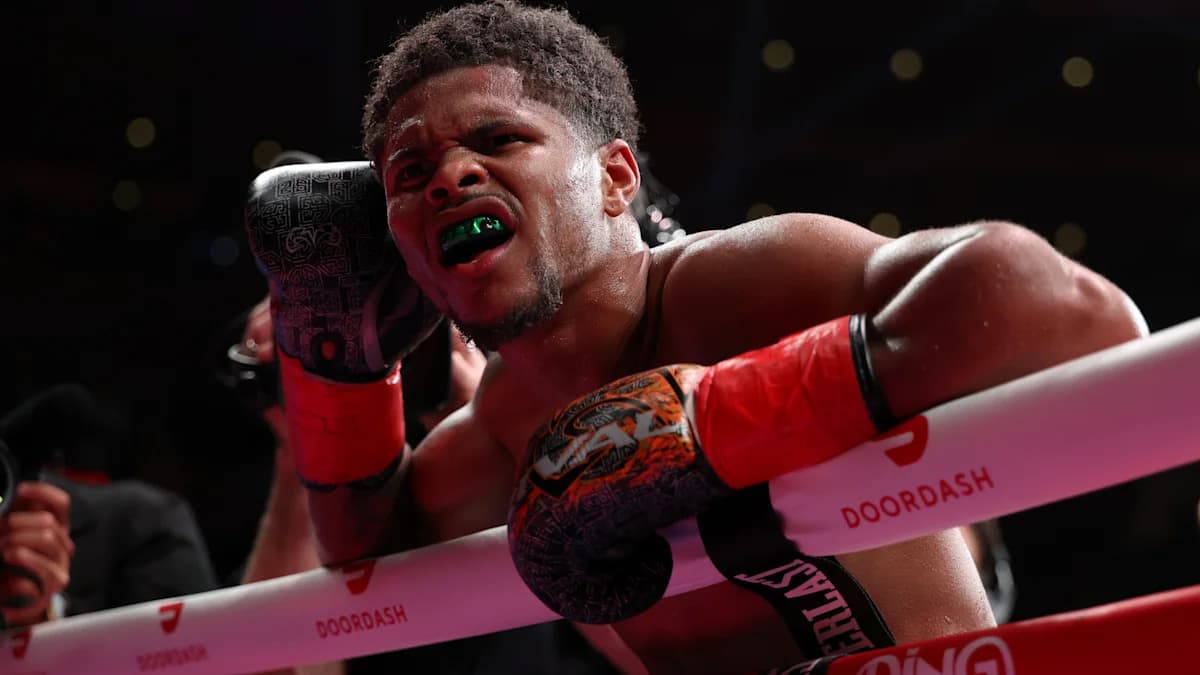
Today's lightweight scene, featuring fighters like Ryan Garcia, Gervonta Davis, Teofimo Lopez, and Devin Haney, has struggled to produce the same intensity of competition. Despite their talents, these four have only faced each other twice, and most have since moved up to welterweight. The politics and egos surrounding their fights make it unlikely we'll see them clash again as frequently or fiercely as the trio from boxing's golden era.
Origins of the Trio
Bob Montgomery was born in 1919 in Sumter, South Carolina, moving to Philadelphia at 15 where he worked in a laundry and trained at a tough gym nicknamed "The Slaughterhouse." Managed by Joe Gramby, a prominent figure in Philadelphia boxing, Montgomery developed an aggressive style that earned him the nickname "The Philadelphia Bobcat."
Beau Jack, originally Sidney Walker, came from Waynesboro, Georgia, born in 1921. After losing his mother early, he moved to Augusta where he worked shining shoes at the Augusta National Golf Club and survived brutal Battle Royales organized by white men. Golf legend Bobby Jones helped launch Jack's boxing career by rallying club members to support him financially.
Ike Williams, born in Brunswick, Georgia, in 1923, moved with his mother to Trenton, New Jersey, after his parents separated. He started fighting on the streets and later boxed under coach Jesse Goss. Williams excelled in track and baseball during high school but found his true calling in boxing.
Boxing Styles and Early Careers
Historian Bert Sugar ranked Jack No. 52 among boxing greats for his whirlwind style—throwing punches from every angle like a marionette with a broken string. Williams, taller at 5-foot-9, was No. 60 on Sugar’s list, known for his sharp left jab and one of the hardest right hands in lightweight history, delivering 61 knockouts over his career. Montgomery, though not listed by Sugar, was renowned for relentless pressure and tenacity, always moving forward like a bobcat stalking prey.
The trio turned pro between 1938 and 1940. Their battles from 1943 to 1955 included five lightweight title fights and ignited the division with thrilling contests watched by thousands.
Montgomery vs. Beau Jack: The First Battles
Their first meeting was on May 21, 1943, at Madison Square Garden for the NYSAC title before a crowd of over 18,000. Jack dominated early with uppercuts and wild attacks, but Montgomery rallied mid-fight, knocking Jack down in the 11th round and winning the decision. Jack’s eyes were badly swollen by the end, but Montgomery wasn’t yet the undisputed champ due to losses against Sammy Angott, who previously held the title.
Seven months later, Jack and Montgomery met again at the Garden, where Jack's new trainer Larry Amadee guided him to a close-fought victory over 15 rounds, reclaiming the lightweight title. Both fighters showed respect despite the intense rivalry.
Williams Enters the Scene
Williams arrived on January 25, 1944, facing Montgomery in Philadelphia. Riding a 34-fight unbeaten streak, Williams was overwhelmed by Montgomery’s body attacks and relentless hooks, culminating in a knockout in the final round. Williams barely recovered after being carried from the ring.
The Trilogy Continues
Montgomery bounced back quickly after a shocking loss to Al Davis to face Jack again two weeks later. In a fast-paced fight, Montgomery edged out a split decision over 15 rounds. Their fourth encounter on August 4, 1944, saw Jack win a close majority decision in a non-title 10-round bout, wrapping up their rivalry evenly matched at two wins apiece.
Williams vs. Montgomery II and Final Battles
On August 4, 1947, in front of 30,000 fans in Philadelphia, Williams defeated Montgomery decisively, scoring knockdowns in the sixth round and establishing himself as the dominant lightweight. This ended Montgomery's role in their three-way rivalry.
Williams then faced Jack in four fights between 1948 and 1955. Their first title bout on July 12, 1948, at Shibe Park drew around 13,000 spectators. Jack started strong, but Williams’ brutal body punches eventually overwhelmed him, forcing the referee to stop the fight. Subsequent bouts saw Williams winning by split decision, drawing once, and finally stopping Jack in 1955 in Georgia—the birthplace of both fighters.
Legacy of a Rivalry
Across their 10 battles, the three fighters delivered remarkable performances. Only three fights ended before the final bell, accumulating 109 rounds of intense boxing. Williams held the best head-to-head record at 4-1-1, Montgomery was 3-3, and Jack 2-5-1.
What stands out most is their readiness to repeatedly face the toughest challenge, knowing the toll it would take. Their courage and skill forged lasting legacies and earned their places in boxing history. Modern lightweights might learn from their example if they want to build enduring reputations.