.svg&w=384&q=75 "logo")
Cricket Australia Opens Big Bash to Private Investors
Cricket Australia has taken the most radical step in the Big Bash era, opening the door to private ownership while handing state associations the power to decide if – and when – they want to sell.
The governing body has abandoned its original push for a league-wide sale of Big Bash League (BBL) and Women's Big Bash League (WBBL) franchises after New South Wales and Queensland blocked the move. Instead, a “self-determination model” will shape the competition’s future, giving each state the final say on whether its club heads to market.
At the heart of the plan sits a clear signal: the Melbourne Renegades are up for sale.
Renegades first cab off the rank
Cricket Australia has invited bids to purchase 100% of the Renegades’ licence, with the intention that the club will be under new ownership by the 2027-28 Big Bash season. Until then, the Renegades will be run in a caretaker capacity by Cricket Australia, and their sale will not affect the 2026-27 BBL or WBBL campaigns.
This is not a one-off experiment. It is a test case.
“Pending the result of that process, Cricket Australia will consider taking other clubs to market under a self-determination model that gives each state member the ability to assess the optimal pathway for its own club and community,” the governing body said in a statement.
The message is blunt: states that want private money can chase it; those that do not are under no immediate pressure.
Echoes of The Hundred
The move follows the England and Wales Cricket Board’s decision last year to sell stakes in The Hundred’s eight teams, a deal that brought in more than £500m and valued the competition’s franchises collectively at over £975m.
Officials from Cricket Australia met some of those Hundred franchise owners during the recent northern summer, and several have already expressed interest in investing in the Big Bash. The precedent is clear, and the numbers from England are impossible to ignore for a board looking to future-proof its domestic T20 product.
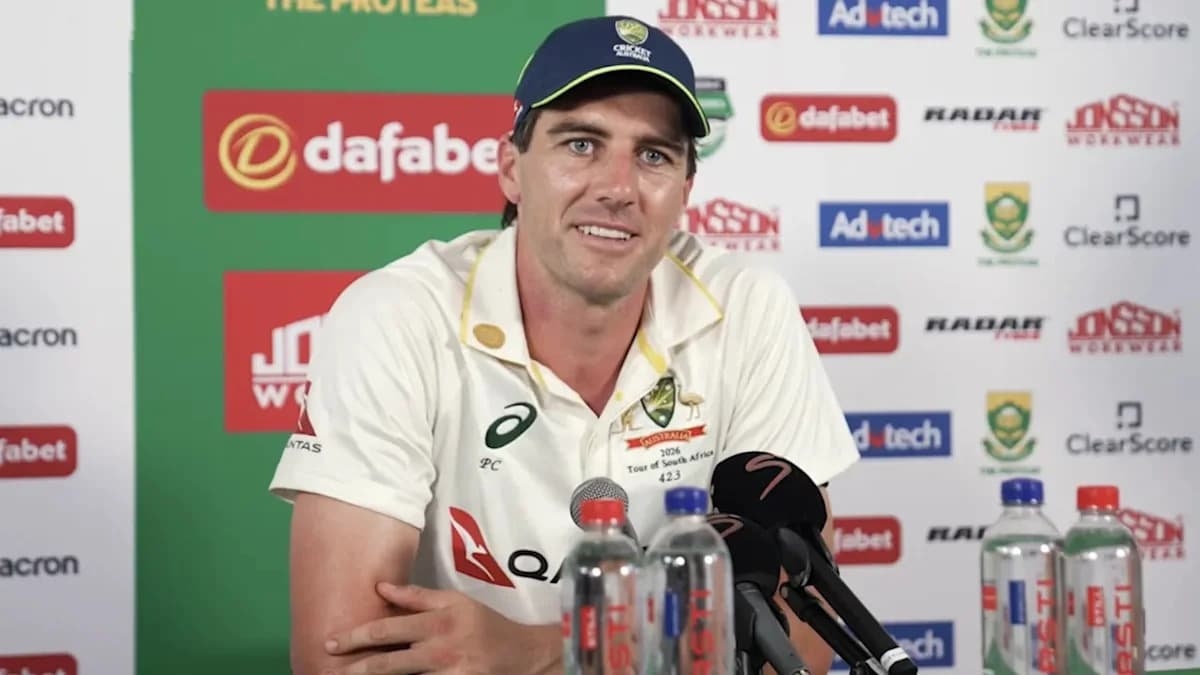
Cricket Australia chair Mike Baird framed the decision as a strategic shift designed to secure the game’s long-term health.
He said the board and state associations were “united in our commitment to investing in and growing the BBL and WBBL” and focused on “advancing the interests of cricket at every level”. Opening the Big Bash to private investment, Baird argued, is a “deliberate step to strengthen and secure the long-term future of the game”, one that can “accelerate growth” and allow continued investment in community cricket, pathways and the elite tier.
Divided states, controlled core
Behind that optimistic language sits a clear split across the competition.
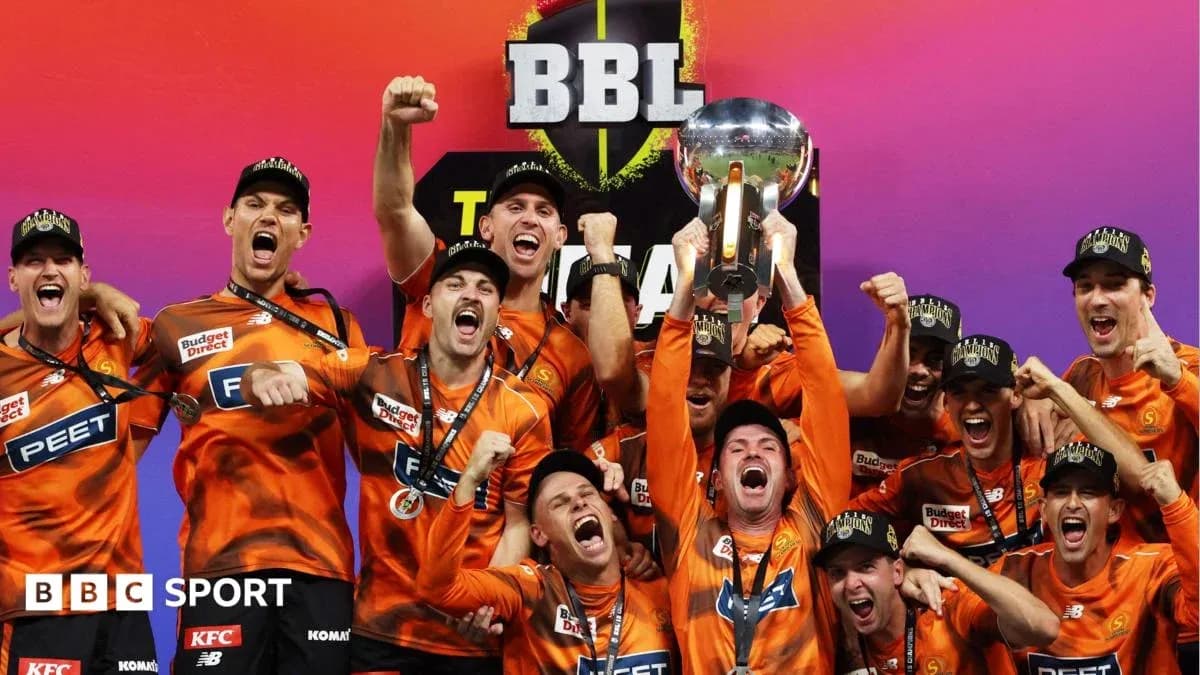
Hobart Hurricanes, Melbourne Stars and Perth Scorchers are understood to be open to bringing in private investors. The two Sydney clubs – Sixers and Thunder – along with Brisbane Heat and Adelaide Strikers are more cautious, reluctant for now to commit to selling stakes.
The new model lets them sit tight. If the Renegades’ sale proves lucrative and stable, the pressure to follow may grow. If it stutters, the sceptics will feel vindicated.
Cricket Australia, though, is not handing over the keys completely. It intends to retain control of the levers that define the integrity and shape of the competition: international scheduling, player availability, salary caps and media rights all remain in its hands. The board will also set a reserve price for the Renegades and keep the power to approve or veto any potential investor.
In other words, private money can buy into the brand and operations, but the national body will still guard the framework.
Big money, big stakes
The decision lands at a time when domestic T20 leagues around the world are racing to lock in capital, visibility and player access. With The Hundred cashing in, the Indian Premier League continuing to expand its global footprint, and new leagues emerging, the BBL has reached a crossroads.
Cricket Australia has chosen to invite outside money rather than watch from the sidelines.
The gamble is that investment will not only bolster club finances but also strengthen the competition’s appeal, helping to keep top players, improve fan experience and shore up grassroots funding. The risk is that private ownership brings conflicting priorities, especially when profits collide with national team scheduling or player welfare.
As all this unfolds, another issue sits in the background. Cricket Australia confirmed it is still engaged in “constructive discussions” with the Australian Cricketers’ Association over an ongoing pay dispute, a reminder that the fight over how the game’s money is carved up is far from settled.
For now, the Renegades are the first test of a new era. If the sale hits the numbers Cricket Australia wants, the rest of the Big Bash will be watching closely – and some state boards may not stay on the fence for long.