.svg&w=384&q=75 "logo")
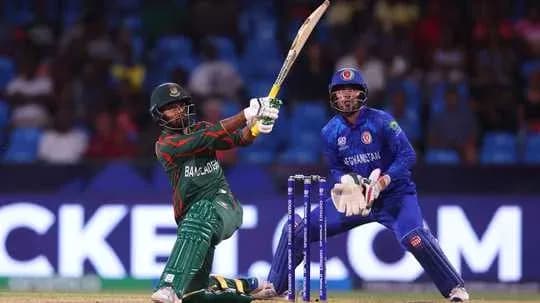
Afghanistan Hosts ODI Tri-Series with Zimbabwe and Bangladesh
Afghanistan has stitched together a heavyweight block of international cricket in the UAE, hosting Zimbabwe and Bangladesh in an ODI tri-series that will spill into T20Is and then two Test matches against Zimbabwe.
The action starts on October 17 and runs through to November 23, turning the UAE into Afghanistan’s temporary cricketing hub across all three formats.
ODI tri-series sets the stage
The tri-series opens with Zimbabwe against Bangladesh on October 17, a fixture that should immediately reveal where both sides stand in 50-over cricket outside home comfort.
Zimbabwe then run into Afghanistan on October 19, a contest that will test how quickly the hosts settle into their adopted conditions. Afghanistan face Bangladesh on October 21 in what could easily become the pivotal group game, before the top two sides contest the final on October 23.
For Afghanistan, it is a chance to keep building an ODI identity in neutral conditions. For Zimbabwe and Bangladesh, it is a sharp, compact examination of depth and adaptability.
One-off Test as the curtain-raiser
Before the tri-series even begins, Afghanistan and Bangladesh will lock horns in a one-off Test from October 9 to 13 in the UAE.
That match gives both boards something they often crave but rarely get: red-ball time in foreign conditions with proper context. It also offers Afghanistan’s growing Test outfit another benchmark against a more established side, while Bangladesh get a valuable away assignment in conditions that won’t feel entirely alien but will still demand discipline.
Zimbabwe eye rare red-ball mileage
For Zimbabwe, this tour is about more than just limited-overs survival.
“This is an important tour for Zimbabwe, offering our players high-quality competition across all three formats,” Zimbabwe Cricket Managing Director Givemore Makoni said.
The schedule underlines his point. After the white-ball commitments, Zimbabwe will stay on in the UAE for two Test matches against Afghanistan. The first begins on November 5, the second on November 13. That is a significant block of red-ball cricket for a side that has fought hard simply to stay on the Test map.
“The ODI tri-series will test us against two strong sides, while the two Tests are especially valuable as we continue seeking more regular opportunities in the longest format. We sincerely appreciate the Afghanistan Cricket Board for hosting this programme and the Bangladesh Cricket Board for their cooperation. We look forward to a competitive and exciting tour,” Makoni added.
For a team that often goes months without Test cricket, two matches in quick succession represent opportunity, scrutiny, and a rare chance to build continuity.
Afghanistan push for volume and visibility
Afghanistan, too, see this as more than a routine home-away-from-home assignment. They are using the UAE window to cram in as much meaningful cricket as possible.
“Playing Bangladesh and Zimbabwe across different formats will provide our players with valuable competitive opportunities and offer our supporters an exciting period of international cricket,” Afghanistan Cricket Board Chief Executive Officer Naseeb Khan said.
The white-ball leg continues after the tri-series, with three T20Is between Afghanistan and Zimbabwe scheduled for October 27, October 29 and November 1. Those games sit neatly between the ODI finale and the start of the Test series, giving both squads a chance to fine-tune their T20 structures ahead of future global tournaments.
“The Afghanistan Cricket Board remains committed to providing our national team with regular, high-quality international cricket. We highly value our relationships with the Bangladesh Cricket Board and Zimbabwe Cricket and appreciate their cooperation in making these important assignments possible,” Khan added.
It is a clear statement of intent: Afghanistan want volume, variety, and visibility at the top level.
A packed block with plenty at stake
Across six weeks, the UAE will stage an entire mini-season: a one-off Test, an ODI tri-series, a T20I series, and then a two-Test showdown.
For Afghanistan, it is a chance to prove they can sustain performance and intensity across formats, not just in the shorter games where they have already earned global respect. For Zimbabwe, it is a rare full-format tour that could shape selection and strategy for years. For Bangladesh, it is a compact but meaningful test of their away credentials.
By the time the second Test against Zimbabwe begins on November 13, we will know far more about how each of these sides handles pressure, transition and opportunity in a crowded international calendar.