.svg&w=384&q=75 "logo")
Cricket Australia Opens Big Bash to Private Ownership: Renegades Lead the Way
Cricket’s summer soundtrack in Australia is about to change, and it won’t just be the music between overs.
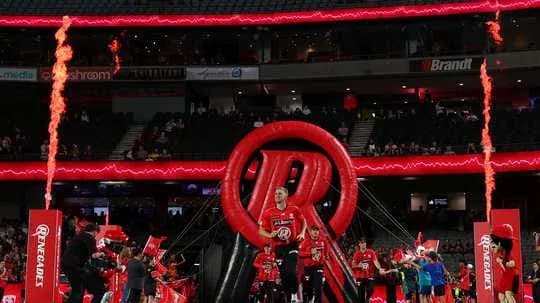
Cricket Australia has confirmed it will open the door to private ownership in the Big Bash League, with the Melbourne Renegades earmarked as the first club to go through a formal sales process. The plan is clear: find new investors now, have the Renegades playing under fresh ownership by the 2027-28 season.
It is a decisive break from the traditional, member-based model that has underpinned Australian cricket for generations. It is also a signal that the Big Bash, once the shiny new toy of the global T20 circuit, intends to fight hard to stay relevant and competitive in a marketplace now dominated by privately owned leagues.
Renegades first in line
The Renegades will serve as the test case. Cricket Australia will invite bids from private investors, effectively putting one of its flagship city clubs on the block while keeping the rest of the competition under the existing structure, at least for now.
If the Renegades sale lands where CA wants it to, others are expected to follow. But not by decree from Jolimont. Any further sales will run under what CA has labelled a “self-determination” model: each state member will decide if and when its club goes down the same path, based on what it believes suits its own cricket community.
It is a calculated move, bold without being reckless. One club first. The rest, if they choose, later.
“Defining moment” for Australian cricket
CA chairman Mike Baird framed the decision as a turning point rather than a gamble.
“Cricket Australia and its State members are united in our commitment to investing in and growing the BBL and WBBL, and to advancing the interests of cricket at every level. By opening the door to private investment in the Big Bash Leagues, Cricket Australia is taking a deliberate step to strengthen and secure the long-term future of the game,” Baird said.
“Beginning the sales process for the Renegades allows us to take the first step in a self-determination model for our members and represents a defining moment for the game.”
The message is unmistakable: this is not a fire sale. It is a structural play, aimed at shoring up the Big Bash as rival T20 competitions, backed by deep pockets and global brands, jostle for players, broadcast windows and relevance.
Control stays with Cricket Australia
With private money comes the obvious fear: who really runs the game?
On that front, CA has drawn its lines in thick ink. The governing body stressed that, even as it courts investors, it and its state members will retain control over the pillars of Australian cricket.
“Importantly, CA and its members will maintain control over the most significant aspects of Australian Cricket operations, including international scheduling, player availability, the Big Bash Leagues salary caps, branding proposals as well as the reserve price for a licence to operate that must be achieved, and approval of investors,” Baird said.
The levers that shape the national teams, the Big Bash’s competitive balance, and the sport’s broader identity will stay in-house. Investors may own a licence; they will not own the calendar, the cap, or the badge.
Months in the making
This shift has not arrived overnight. Baird underlined how long the idea has been turning over behind closed doors.
“This is a significant decision that has involved an enormous amount of analysis, discussion and collaboration over many months. I’d like to thank all involved as we move to what we believe is the best way to secure cricket’s future in this country, strengthen the Big Bash and protect our standing on the global stage," he said.
That global stage is the real backdrop here. IPL franchises now stretch across continents. New leagues in the UAE, South Africa and the USA have moved quickly, fuelled by aggressive investment and familiar owners. The Big Bash, once the disruptor, has felt the squeeze.
Now, with the Renegades leading the way, Australian cricket is stepping into that same arena on its own terms.
The question is no longer whether private ownership will touch the Big Bash. It’s which club will be brave enough to follow Melbourne’s red half into this new era.