.svg&w=384&q=75 "logo")
Casper Ruud Withdraws from U.S. Open: Back Injury Raises Concerns
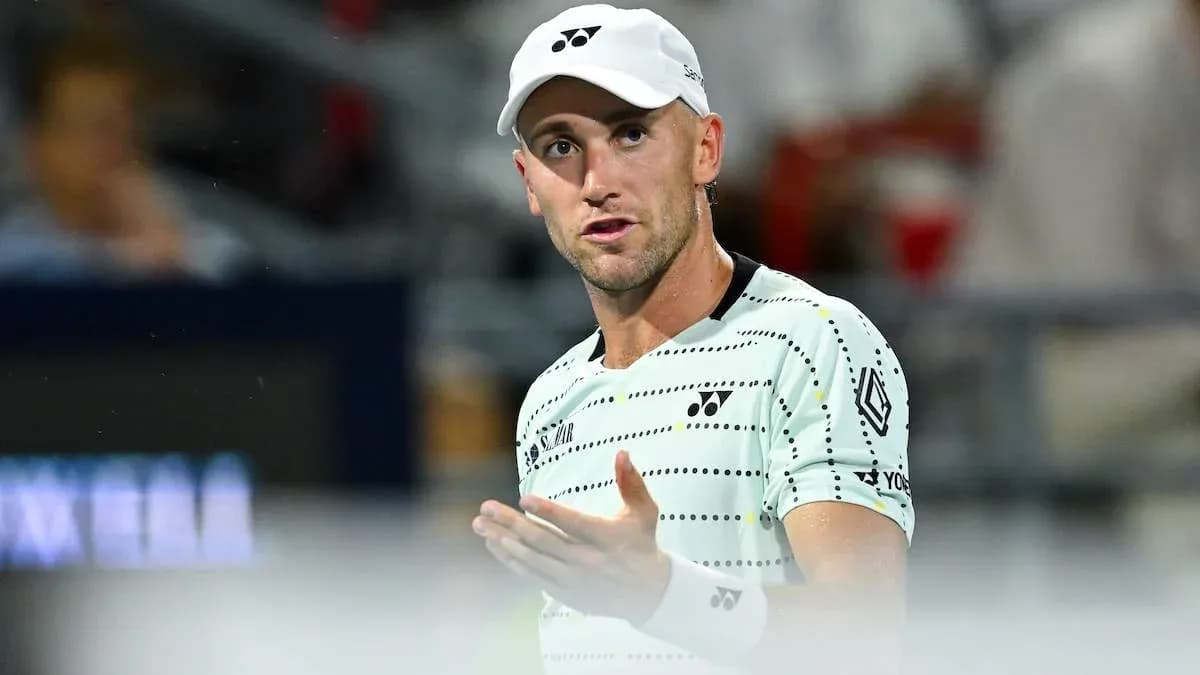
Casper Ruud arrived in New York already walking a tightrope. On Sunday morning, it snapped.
The world No. 20 pulled out of the U.S. Open before striking a single ball in singles, withdrawing from his first-round match against Juan Manuel Cerúndolo because of a lingering back injury. Tournament organizers confirmed the decision, and his name quietly disappeared from the order of play.
Lucky loser Arthur Gea steps into the draw in Ruud’s place. The substitution barely dents the schedule. The significance for Ruud is another story.
From Cincinnati Alarm to New York Breakdown
This wasn’t a bolt from the blue. The first warning shot came in Cincinnati on August 16.
Facing Christopher O’Connell, Ruud led 5-2 in the opening set, then suddenly stalled. He took a medical timeout for lower-back pain, tried to continue, and ultimately retired at 7-5, 1-2, according to French daily L’Équipe. The scoreline said he was in control. His body said otherwise.
“I tweaked my back in practice the day before,” Ruud wrote on Instagram then, explaining that he couldn’t move freely. It sounded like a short-term scare, the kind a player grits through before a major.
Instead, it became a storyline.
Norwegian broadcaster NRK reported the back trouble first flared in mid-August. The issue lingered long enough to cast a shadow over his entire U.S. hard-court swing and now, decisively, his campaign at Flushing Meadows.
Mixed Doubles Grit, Singles Doubt
The curious part: the back held up just enough for Ruud to compete in mixed doubles in New York.
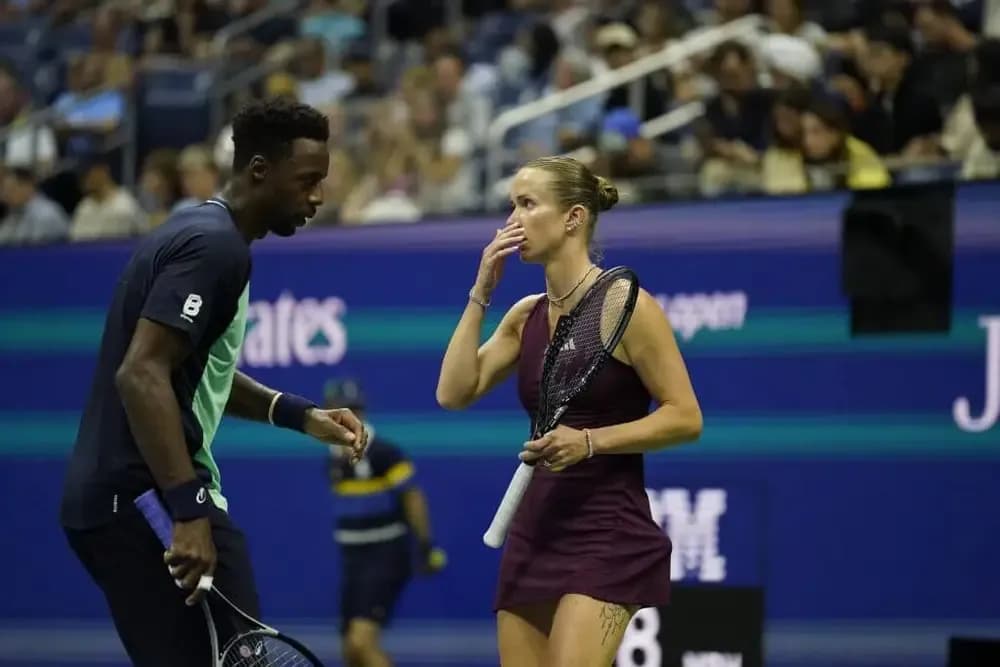
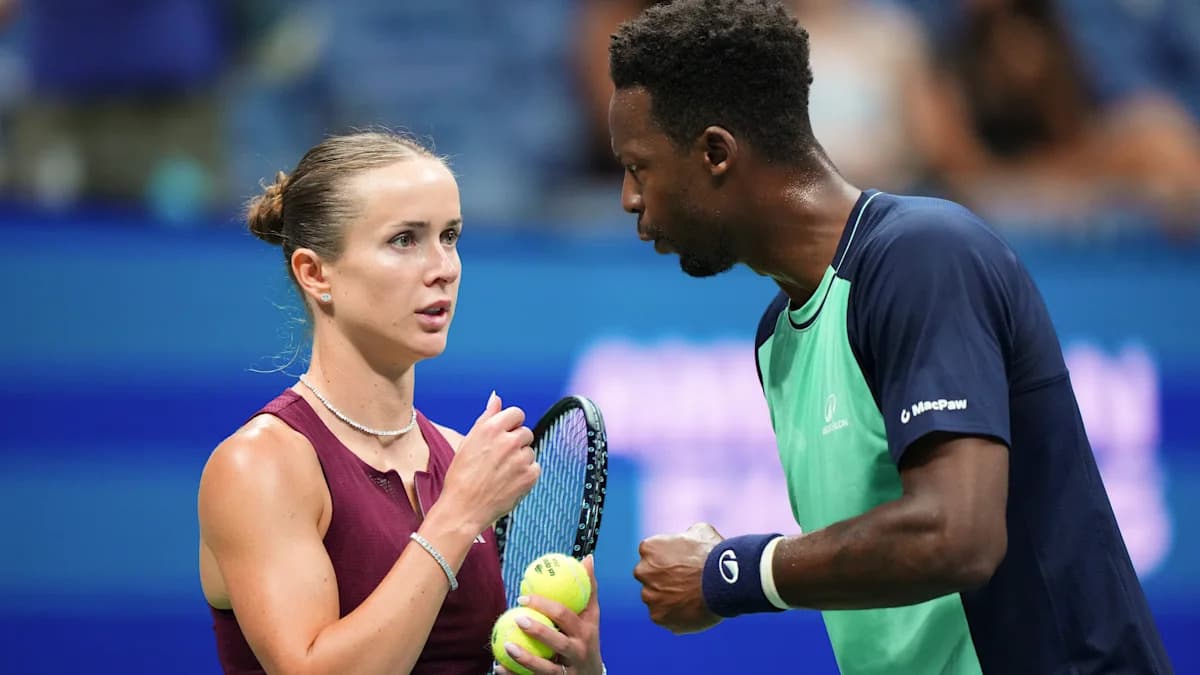
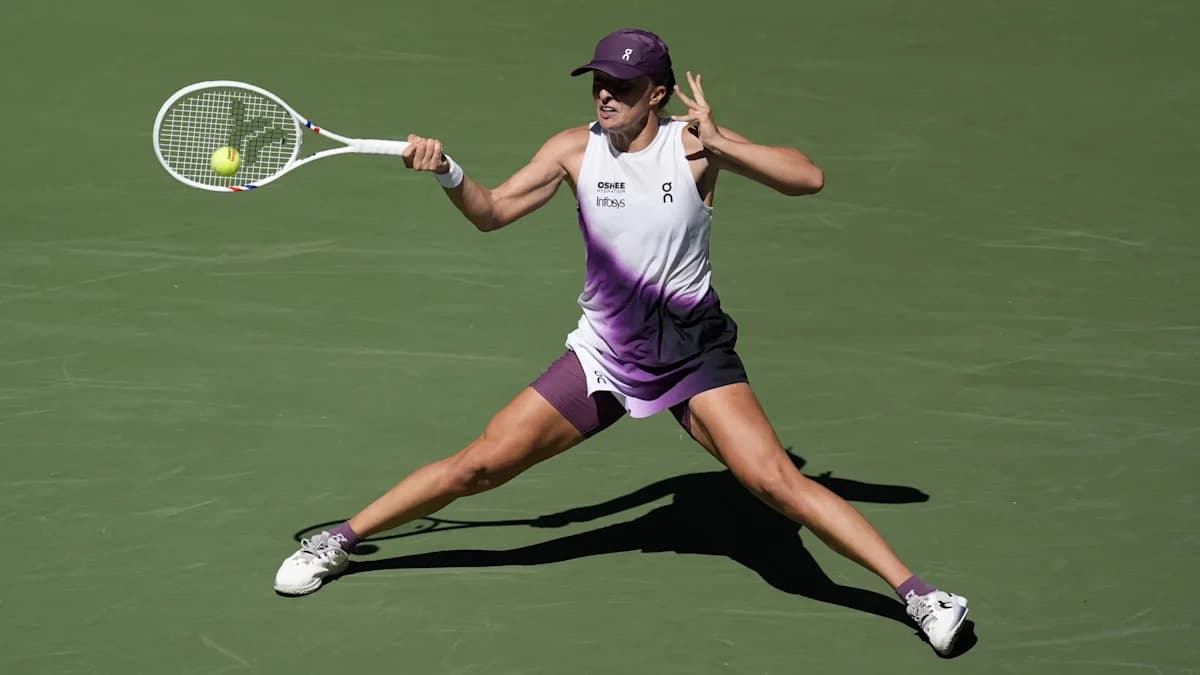
Partnering Diana Shnaider — a late change after Iga Swiatek opted to rest and withdrew from the event — Ruud managed to play through the discomfort. They beat Jessica Pegula and Taylor Fritz in the first round, then pushed Mirra Andreeva and Andrey Rublev in a tight quarterfinal before bowing out.
Those matches hinted at resilience, maybe even progress. If he could serve and move in mixed doubles, surely singles was within reach?
Then came August 27.
Practice footage with Tomás Martín Etcheverry told a different story. Ruud cut the session short after roughly 50 minutes. Reports cited by Tennis365’s Richie Mills described a player who “couldn’t serve” and felt “considerable pain” even on groundstrokes. The optimism drained away. The withdrawal on Sunday simply confirmed what his body had been saying all week.
A Steep Fall From No. 2
Ruud entered the U.S. Open seeded 19th and slotted into the same quarter as Alexander Zverev, according to injury tracker RotoWire. On paper, it looked like a manageable section. In reality, his form and fitness painted a bleaker picture.
His ranking sits at No. 20 this week, per ESPN — a sharp drop from the peak that once made him the face of a new clay-court generation. On September 12, 2022, the day after losing the U.S. Open final, Ruud climbed to No. 2 in the world. He then spent 113 consecutive weeks in the top 10 between September 2021 and November 2023, a model of consistency in a turbulent era.
That version of Ruud feels distant right now.
He arrived in New York with a 25-16 record on the season and no titles in 2026. His hard-court confidence had frayed badly, highlighted by a third-round loss to João Fonseca in Toronto. Since that 2022 run to the U.S. Open final, his best results in Queens have been a fourth-round showing and a second-round exit. A deep run this year already looked like a long shot. The back turned it into an impossibility.
A Career of Highs, Now Hit by a New Low
The timing stings because Ruud’s résumé still carries the weight of a player built for big stages.
Born December 22, 1998, in Oslo and coached by his father, former pro Christian Ruud, he has rewritten Norwegian tennis history. He is the highest-ranked Norwegian player ever, the first Norwegian man to win an ATP title, the first to reach a Grand Slam final, the first to qualify for the ATP Finals. Fourteen ATP singles titles sit next to his name, 12 of them on clay, including last year’s Madrid Masters.
He has also carved out signature wins against the sport’s giants. In the Monte-Carlo Masters 2024 semifinals, he beat Novak Djokovic 6-4, 1-6, 6-4 — his first victory over a world No. 1, and the first time any Norwegian had toppled a No. 1 since the ATP rankings began in 1973. Later that season, he defeated Carlos Alcaraz 6-1, 7-5 in the ATP Finals 2024 group stage, his lone win in six meetings with the Spaniard.
Those results remind everyone what his ceiling looks like when his body cooperates.
The problem is that, increasingly, it doesn’t.
The back issue now joins a growing list of physical setbacks. An ankle injury forced him out of the 2022 Australian Open. A painful left knee hampered him during a 2025 French Open loss to Nuno Borges. None of it screams “chronic” by tour standards, yet the pattern is unmistakable: when injuries arrive, they arrive hard, and at the worst possible moments.
What This Means for 2026
The U.S. Open withdrawal doesn’t just close off a fortnight in New York. It opens up a worrying question: how much of his 2026 season is now at risk?
Ruud’s game leans on heavy repetition — long rallies, physical baseline exchanges, and a grinding schedule that once made him one of the tour’s most reliable week-to-week performers. A compromised back threatens all of that. Serving, rotating on the forehand, even bending into his trademark heavy topspin become battles against his own body.
For now, the official line is simple: Casper Ruud is out of the U.S. Open with a lingering back injury, replaced by Arthur Gea. The ranking points and prize money will go elsewhere. The draw moves on.
The larger question hangs over the rest of the year: can the player who once stood one win from No. 1 rebuild his body — and his belief — in time to matter again at the sport’s biggest stages?