.svg&w=384&q=75 "logo")
Carlos Alcaraz's Journey: From Injury to US Open Return
Carlos Alcaraz has spent the past four months fighting something he couldn’t hit back at: his own mind.
The wrist injury was brutal enough. The silence that followed was worse. No crowds, no adrenaline, just a 23-year-old seven-time major champion alone with what he calls “intrusive thoughts” about when – or if – he would feel like himself again.
“I didn't know if I was going to be ready for Cincinnati, for the US Open, or I'm going to miss the whole American swing,” he admitted. “Those intrusive thoughts were the most difficult things to deal with in this process.”
On Sunday in New York, the waiting ends.
From doubt to Flushing Meadows
Alcaraz has not played a singles match since mid-April. For a player who thrives on rhythm and repetition, that gap is a chasm. The defending US Open champion returns to Arthur Ashe Stadium as the second seed, but also as a question mark.
The draw offers no gentle easing-in. His first assignment is Roman Safiullin, a heavy-hitting Russian capable of exposing any rust in Alcaraz’s timing or movement. It is the kind of opening test that can either jolt a champion straight back to his best or underline just how long he has been away.
Once he could finally hit again, the mental strain did not disappear. It sharpened.
“Once I started to practice a little bit but didn't know when I'm going to return, those thoughts were really difficult to deal with,” he said. The calendar kept moving. His wrist, and his head, had to catch up.
A fragile joint, a ferocious forehand
The concern around Alcaraz has never been about talent. It has been about anatomy.
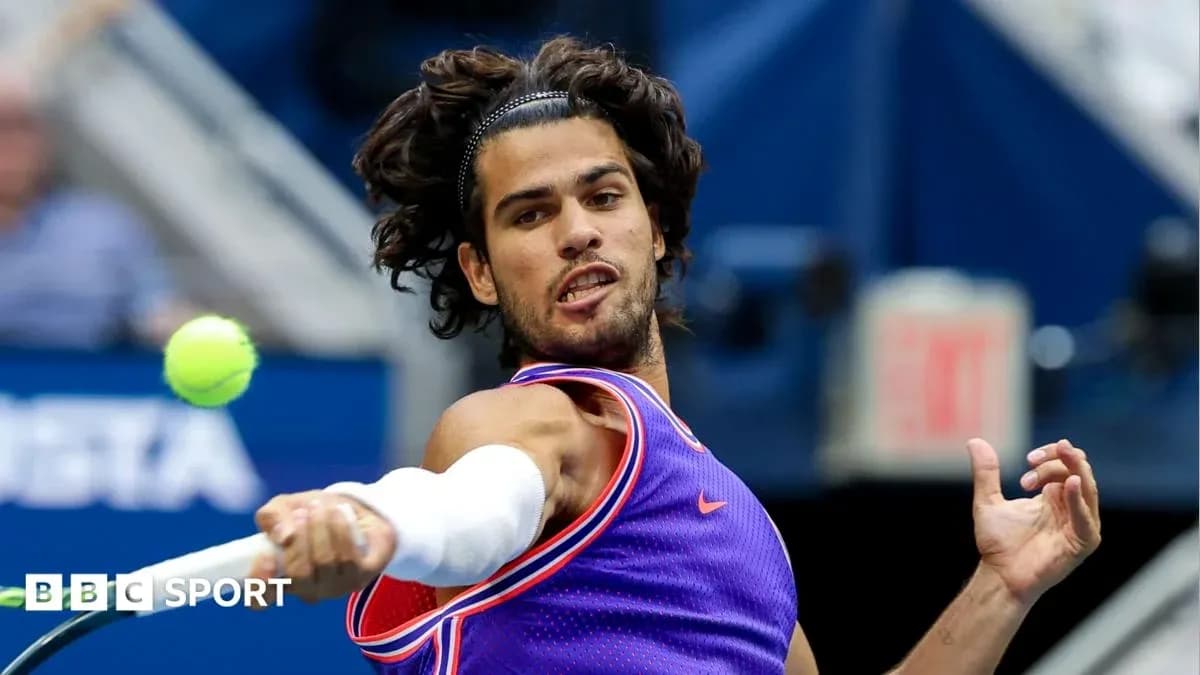
He continues to wear a compression sleeve on his playing arm, a visible reminder of the wrist that stalled his season. The issue is believed to be tenosynovitis – inflammation of the sheath that protects the tendon on the inside of the wrist – the kind of problem that can haunt a tennis career if mismanaged.
Wrist injuries terrify players and coaches for a reason. They linger. They flare. They punish impatience.
Alcaraz’s game only heightens the risk. Few players on tour generate more raw power through the forehand, and that explosive action sends enormous force through the joint. Every time he rips that shot, he is loading the same area that has just spent months under protection.
This time, he says, patience won.
Serena, a test run, and a leap of faith
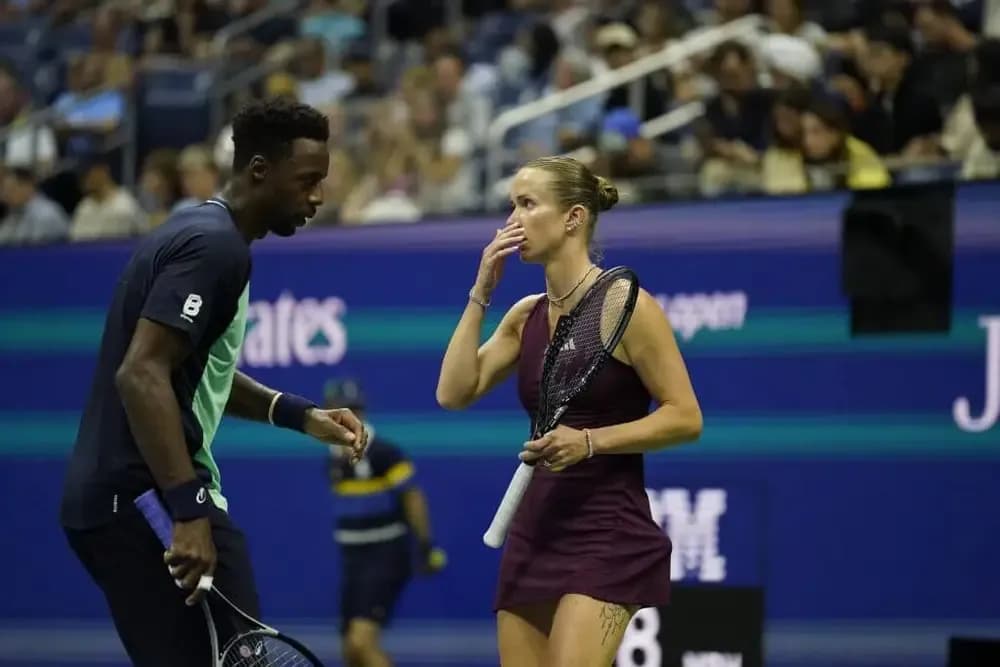
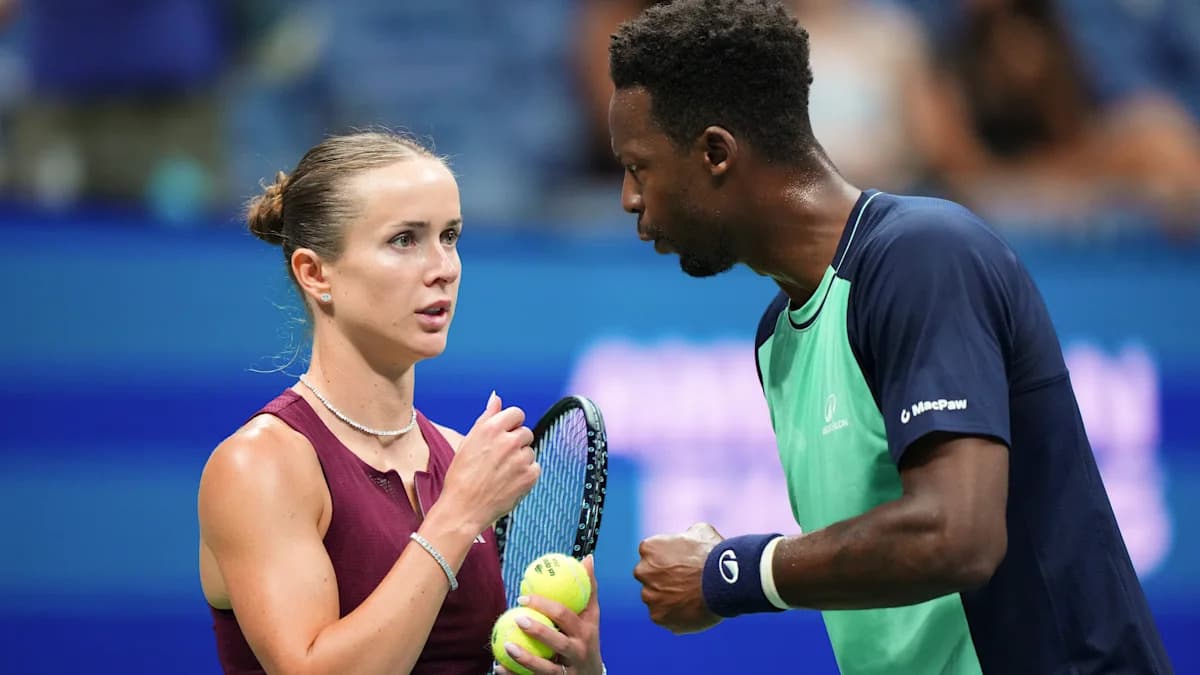
His first steps back into competition came not in a lonely outer court but under the lights of the US Open, in mixed doubles alongside 23-time Grand Slam singles champion Serena Williams. It was a carefully chosen stage: high profile, lower physical demand than a five-set singles grind, but intense enough to test the wrist under pressure.
The signs were encouraging. No visible guarding, no obvious reluctance to swing freely. The sleeve stayed on. So did the belief.
“It's really challenging. Probably, you know, in terms of preparation and everything, it is not the best time,” Alcaraz conceded. Four months out is not ideal preparation for a major, let alone one where he is defending the title he won in 2022 and again in 2025.
But his message now is clear: the doubts have been heard, and parked.
“We, my team and me, believe that I'm ready,” he said. “I've got to trust my team, I've got to trust my people that tell me it's going be fine. I just have to go 100%, and right now I think with the practices I have done so far, it's been all good. I'm trying to stay away from any fear and I'm playing normal.”
Five sets, full scrutiny
That last line may define his fortnight. “Playing normal” for Alcaraz means chasing every ball, unloading on the forehand, turning defence into attack in a heartbeat. It means no half-swings, no hiding the wrist, no compromise.
He insists he feels mentally ready for best-of-five combat again, ready to absorb the physical and emotional strain of a deep run in New York. The US Open will test that claim immediately and relentlessly. Every grimace will be analysed. Every heavy forehand will be a small victory.
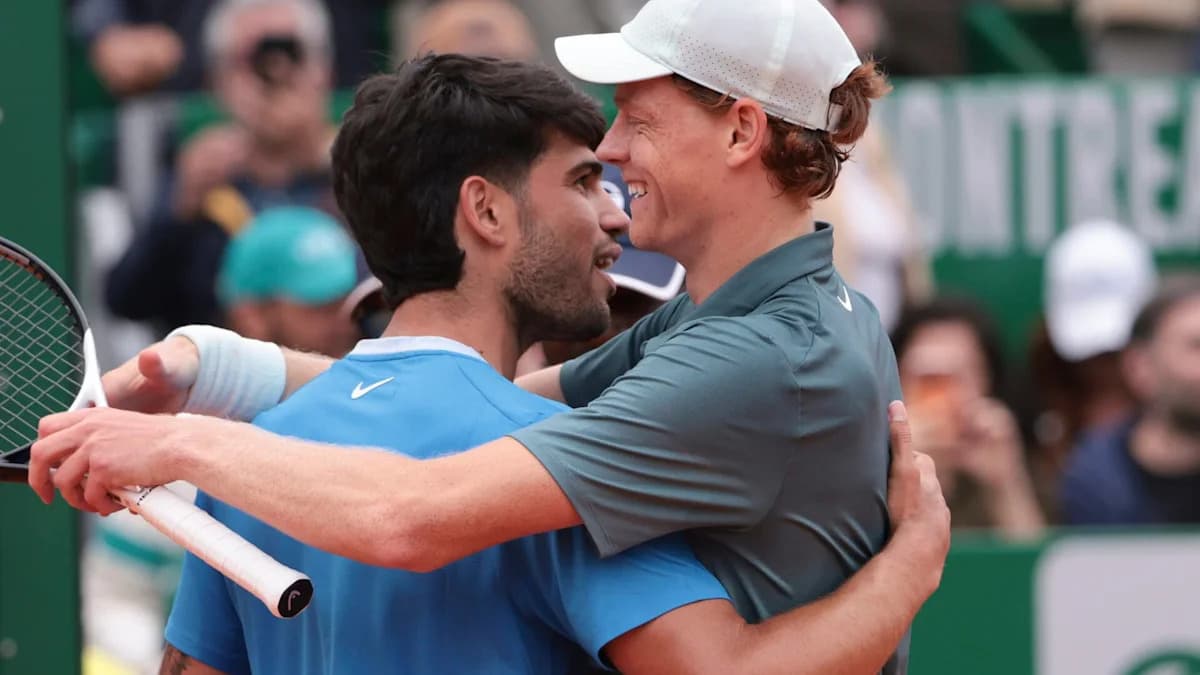
Twelve months ago, he outlasted Jannik Sinner in a final that felt like a handover moment between generations. This year, the story is different. The champion returns not as an unstoppable force, but as a player who has stared down his own uncertainty and chosen to trust the work, the doctors, the team – and the wrist.
The intrusive thoughts have been loud. The stadium will be louder. Now we find out which voice wins.