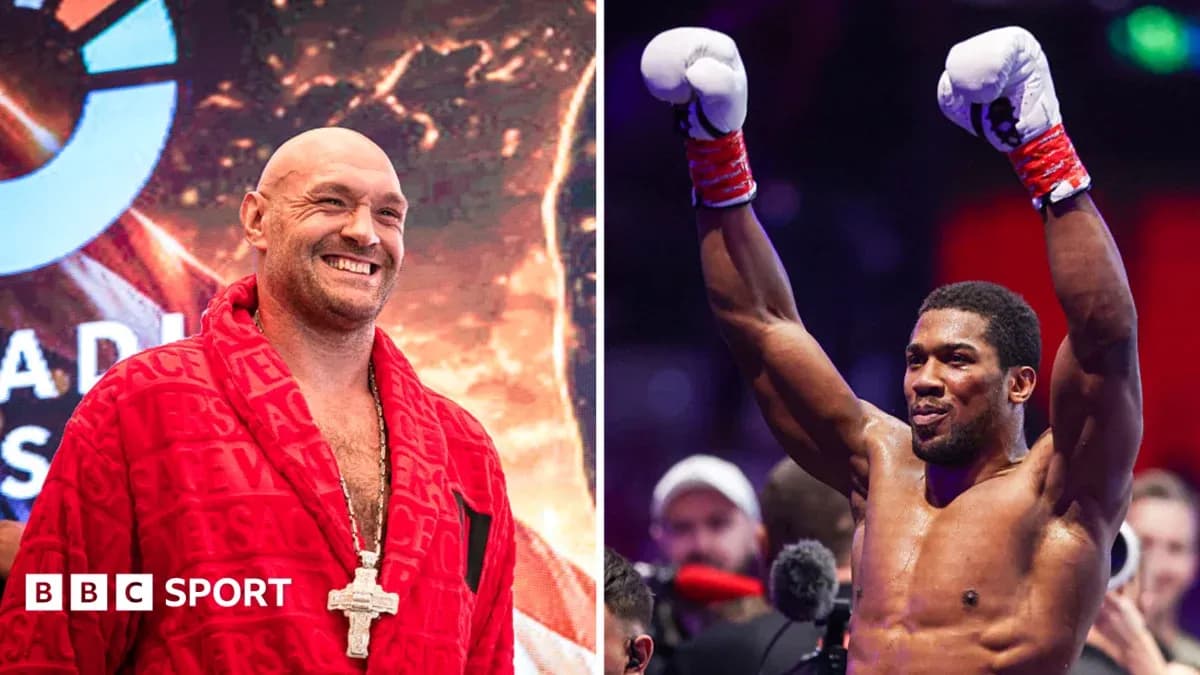
Cardiff Set to Host Fury–Joshua Heavyweight Showdown
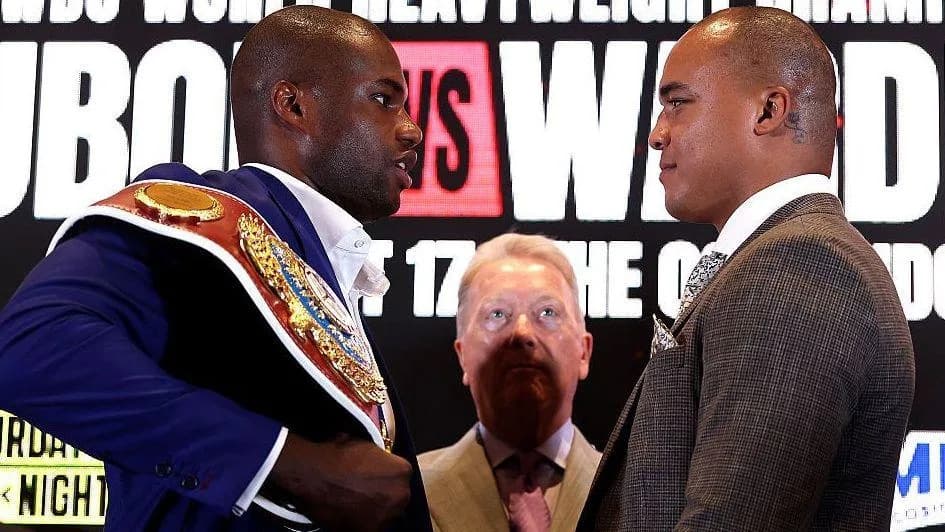
The biggest all‑British heavyweight fight of this century is finally finding a home – and it’s not in Manhattan or under the Wembley arch, but beneath the closed roof of Cardiff’s Principality Stadium on Friday, 11 December.
The bout between Tyson Fury and Anthony Joshua is expected to be confirmed for the Welsh capital, with final details still being thrashed out between Netflix, Saudi organisers Sela and both fighters’ camps. An official announcement is anticipated this week, but the direction of travel is clear: the road to the heavyweight summit now runs through Cardiff.
From Manhattan dreams to Welsh reality
Not long ago, this story looked destined to play out in New York. Madison Square Garden had moved from fantasy to near‑formality, with plans being drawn up for a Manhattan news conference and a transatlantic coronation of British boxing’s defining rivalry.
Then the contracts bit back.
Joshua’s agreement with Sela contained a hard line: the fight had to be staged in the United Kingdom. Fury’s deal carried no such restriction, which emboldened organisers and broadcast partner Netflix to push hard for the US. New York suited their vision, their time zones, their marketing machine.
Hearn admitted that almost everyone around the table wanted America. Matchroom even crunched the numbers on how much it would cost to buy their way out of the UK clause.
For a spell, that standoff threatened to kill the event before a punch was thrown. Fury accused Joshua of dragging his feet and briefly dangled the idea of returning to Oleksandr Usyk for a trilogy instead.
Once Fury backed down and accepted the UK stipulation, the question changed. Not “which country?” but “which stadium can carry this weight?”
Why Wembley lost the fight
On paper, Wembley Stadium felt inevitable. Two modern British heavyweights, one national cathedral of sport. Sixty, seventy, ninety thousand under the lights. It writes itself.
Reality was messier.
The fight, first floated for November, slipped towards December as negotiations dragged on. With winter closing in, an open‑air stadium in Britain became a gamble bordering on reckless. Freezing temperatures, swirling wind, driving rain – all of it threatening not just the comfort of tens of thousands of fans, but a global broadcast built around pristine, prime‑time images.
Wembley had another problem. To satisfy Netflix’s desire for a US prime‑time slot, the projected ring walk sits around 01:00 GMT – 20:00 on the US east coast. Wembley operates under a strict 23:00 curfew for events. Pushing beyond that meant wrestling with Brent Council and local safety groups for special dispensation.
London’s Mayor Sadiq Khan signalled his backing. Wembley officials were open to talks. Yet the layers of bureaucracy, the uncertainty over approvals, and the ticking clock of negotiations all piled up. For a fight of this magnitude, “maybe” simply wasn’t good enough.
Shrinking the event into an indoor arena like the O2 would have solved the weather problem, but at a brutal cost: tens of thousands of lost tickets and a significant dent in the sense of scale.
The solution lay 150 miles west.
Principality Stadium: big‑time scale, under a roof
Cardiff’s Principality Stadium does something no other realistic UK venue can: it offers the spectacle and gate of a major stadium show with the security of an indoor arena.
Its retractable roof removes the winter risk in one movement. No rain on the canvas, no frozen fans, no cameras fighting through mist and drizzle. Just controlled conditions and controlled chaos in the ring.
The official seated capacity sits just under 74,000, but boxing layouts can push that higher. Joshua has already stress‑tested the place. In 2017, he defended his WBA and IBF titles there against Carlos Takam in front of nearly 80,000 fans, then returned five months later to add the WBO belt against Joseph Parker. The Welsh capital swallowed those nights whole and asked for more.
For organisers, the Principality offers a rare combination: scale, atmosphere, and weather‑proof certainty. For Netflix and Sela, it delivers a grand stage that still feels global on screen.
The Netflix clock and Cardiff’s late‑night pedigree
The most awkward piece of the puzzle has never been the ring, the roof or the rivalry. It has been the clock.
To land in American prime time, the fight needs that 01:00 GMT ring walk. That timing created a logistical minefield for London, where curfews and local authority approvals carry real weight.
Cardiff, by contrast, presented a cleaner path. The Welsh Rugby Union, which owns and runs the Principality Stadium, made it clear early on that it would welcome the fight and that a late finish would not be a dealbreaker.
An early‑hours event still demands heavy planning – transport, policing, crowd control in the city centre. But Cardiff knows this territory. In 2007, Joe Calzaghe’s super‑middleweight unification win over Mikkel Kessler did not start until 02:00 local time to suit American broadcaster Showtime. The city handled it. The template exists.
That precedent matters. When you are building one of the biggest events in British boxing this century around a global streaming giant’s schedule, you want a city and a stadium that have already proved they can go deep into the night.
A saga finds its stage
What began as a tug‑of‑war between New York glamour and British contractual grit has, almost by process of elimination, delivered Cardiff to centre stage.
The politics of rival deals with Sela, the demands of Netflix, the British winter, Wembley’s curfew, Joshua’s refusal to give up home soil – each twist nudged the fight away from one iconic venue and towards another.
Now the Principality Stadium waits, roof ready, for the final signatures.
If the announcement lands as expected this week, the Welsh capital will not just host a boxing match. It will become the arena where a generation‑defining rivalry is finally settled in the small hours of a December morning, with Britain watching through the dark and America tuning in at dinner time to see which heavyweight walks out of Cardiff as the man.