.svg&w=384&q=75 "logo")
Ben Shelton Defeats Carlos Alcaraz in US Open Quarterfinal
The clock had long since slipped past midnight when Arthur Ashe Stadium found its new heir.
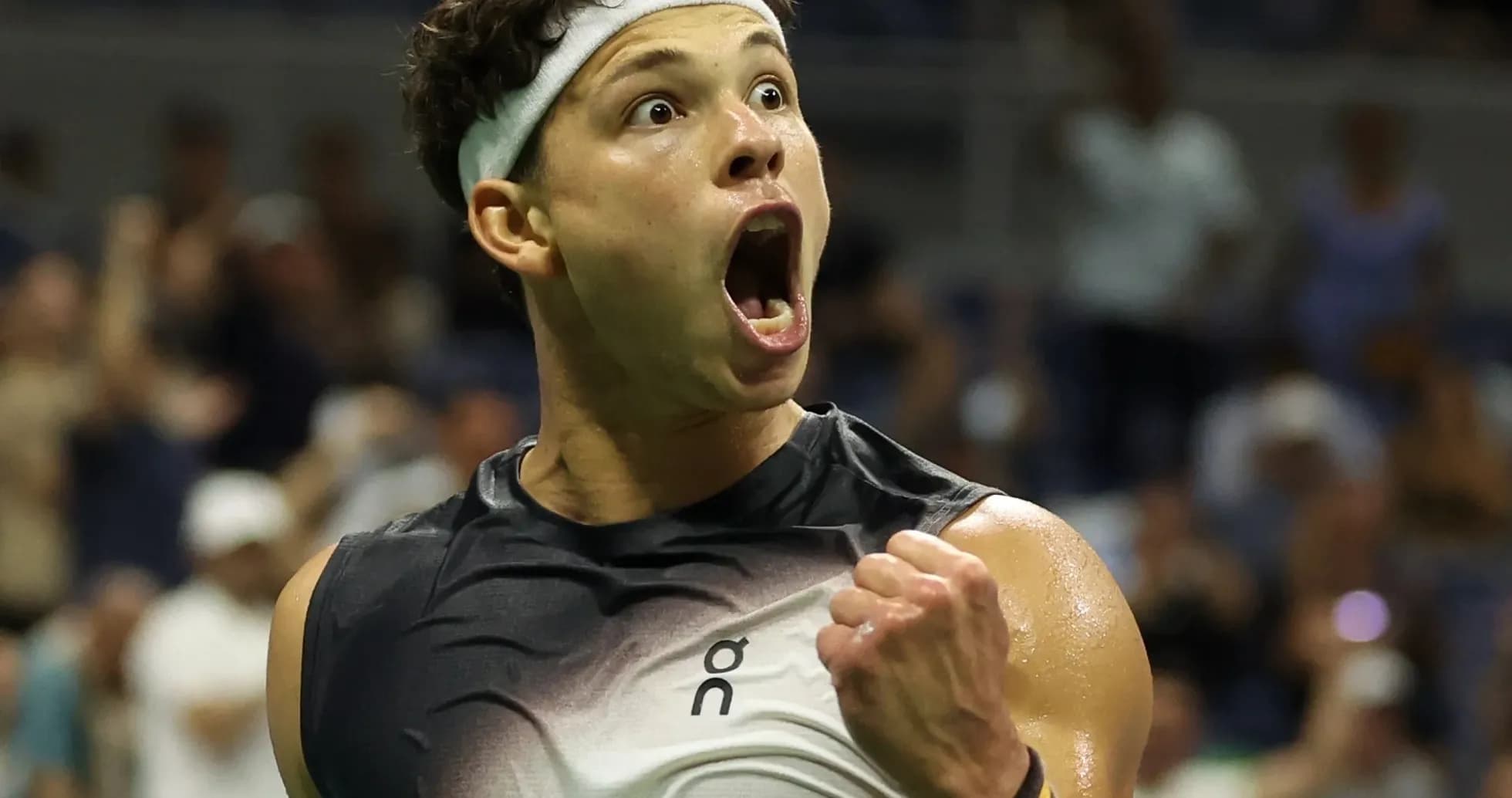
Under the New York floodlights, with “USA” rolling down from the upper deck until nearly 3am, Ben Shelton dragged himself through four hours and 28 minutes of chaos, courage and shot-making to dethrone two-time champion Carlos Alcaraz in a quarterfinal that felt like a final.
The 23-year-old American, seeded eighth, survived a fifth-set tiebreak to win 6-7 (5-7), 6-1, 6-3, 1-6, 7-6 (10-6) in one of the latest finishes in US Open history, a match that swung wildly, then settled on a knife’s edge.
He didn’t blink.
A champion floored, a contender born
Alcaraz came in as the man to beat. Third seed, defending champion, seven-time Grand Slam winner, back in New York after a four‑month injury layoff and looking every inch himself in the opening set. He took that first tiebreak 7-5, finding his range early and quieting the home crowd just enough to remind everyone who owns this court.
Shelton tore that script up.
The American exploded through the second set 6-1, then backed it up 6-3 in the third, turning the match into a blur of heavy serves, fearless forehands and relentless pressure. Alcaraz, so often the one forcing errors, suddenly sprayed them. Shelton had him on the back foot, and Ashe roared at every missed Spanish forehand as if it were a match point.
The pressure finally told. The defending champion’s rhythm cracked. Shelton, the highest‑seeded American man in this year’s final major, started to look like the one who’d been here before.
Alcaraz fights back, body and all
Of course Alcaraz was never going quietly.
Just when Shelton seemed to have the match by the throat, the Spaniard surged. He ripped through the fourth set 6-1, resetting the tone with the kind of defiance that has already defined his young career. Suddenly it was Shelton scrambling, the crowd anxious, the match hurtling into a deciding fifth with no guarantee the American’s momentum would last.
The fifth set turned into a test of survival.
Alcaraz, 23 like Shelton, battled not only his opponent but his own body. At one changeover he appeared to vomit into his towel, a jarring image for a player so often associated with boundless energy. Yet he kept coming, kept chasing, kept swinging. There were flashes of the familiar Alcaraz magic – the cat‑quick defense, the impossible angles, the stubborn refusal to accept defeat.
Shelton refused to yield. He held his nerve through tight service games, rode the noise rather than shrinking from it, and when the set bled into a deciding 10-point tiebreak, the stadium knew it was standing on the edge of something special.
This time, the big points belonged to the American.
Shelton surged ahead in the breaker, leaning on that massive serve and taking the ball early, stepping into rallies rather than waiting for Alcaraz to dictate. The Spaniard still chased everything, still tried to ignite one last comeback, but the gap never quite closed. At 10-6, it was over. Alcaraz’s reign in New York ended not with a collapse, but with another player simply refusing to let him back in.
New York’s new showman
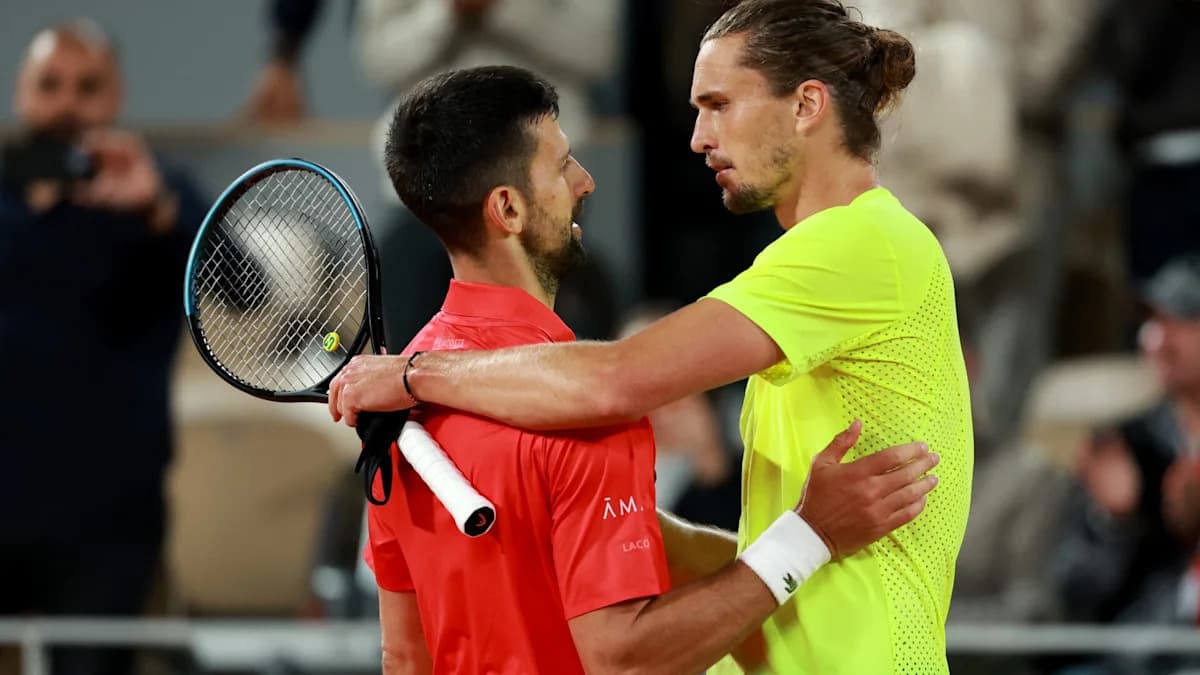
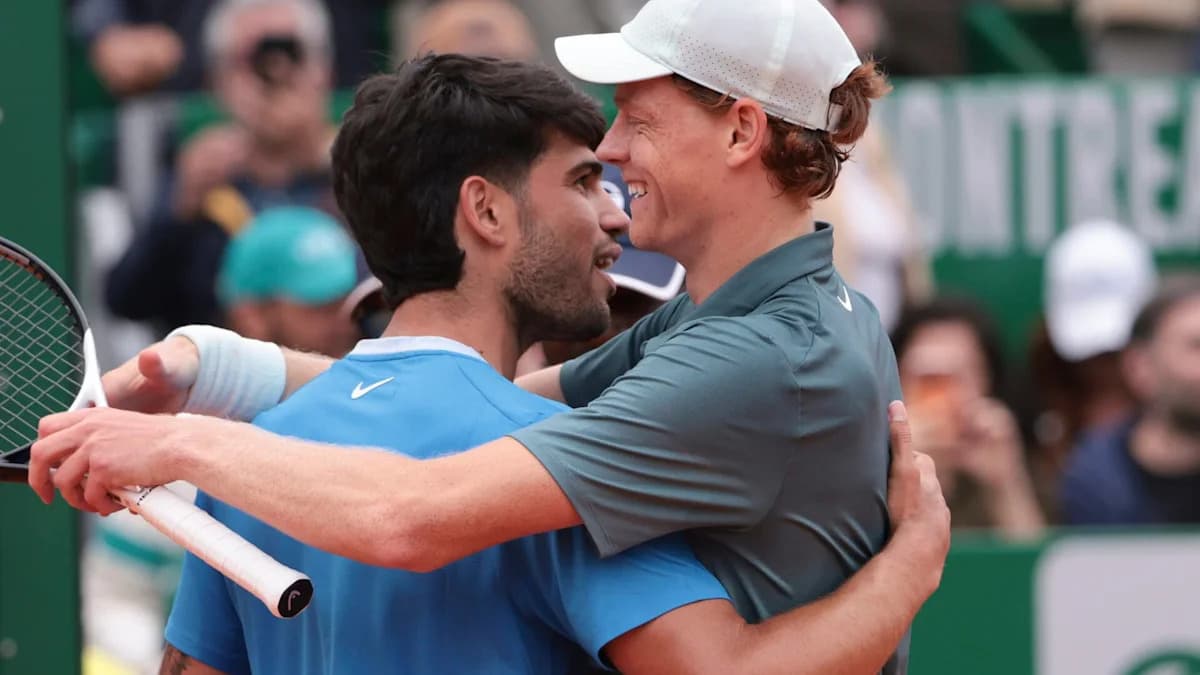
What followed was pure sporting theatre. Both men met at the net with smiles, a long embrace, words of respect that needed no microphones. The winner looked less like a giant-killer than a peer.
“To be here in front of you guys tonight is an absolute honour,” Shelton told the crowd, still buzzing in the early hours. Sharing the court with Alcaraz, he said, was “an absolute honour” too, calling the match “a war, epic… so physical,” and labelling the Spaniard “one of the greatest champions in our sport already, at 23 years old.”
He didn’t hide what had dragged him through the longest night of his career.
Whether it was his coaches and team, family and friends, or “the city of New York that showed up tonight till 3am with the USA chants until the very end,” Shelton said, that energy “kept me going” and “got me this win tonight.” For a player who has embraced this stage from the moment he walked onto it, the bond felt real, not rehearsed.
He called New York “the greatest sports city in the world” and Arthur Ashe “the greatest stadium in the world.” On this evidence, it’s hard to argue.
Shelton went even further, describing the clash as “the most enjoyable match that I’ve had in my career, for sure.” Considering the stakes, the opponent, and the hour, it’s easy to see why.
All‑American semifinal on the horizon
The reward is as big as the performance: a semifinal against compatriot Frances Tiafoe and the guarantee of an American in the US Open men’s final for the first time since 2003.
For a nation starved of a homegrown men’s champion in New York for over two decades, Shelton’s breakthrough carries weight beyond one unforgettable night. He is no longer just the big‑serving hope with swagger. He is the man who outlasted Carlos Alcaraz in a five‑set epic on Ashe and walked off looking like he belonged.
The defending champion is out. The crowd has a new hero. And as the sun comes up on Flushing Meadows, the question isn’t whether Shelton can handle the stage.
It’s how far he’s about to push it.