Ben Shelton vs Alexander Zverev: US Open Final Recap
Ben Shelton had one hand on the exit door when he finally landed a punch.
Down two sets and serving at 5-6 in the third, outgunned for nearly three hours, the American suddenly caught fire. He stepped into returns, ripped his forehand with the abandon that carried him through the summer, and broke Alexander Zverev for the first time. The fist pump, the cupped ear to Arthur Ashe Stadium, the roar from the stands – for a brief, electric stretch, the night felt as if it might tilt.
It didn’t. Not for long.
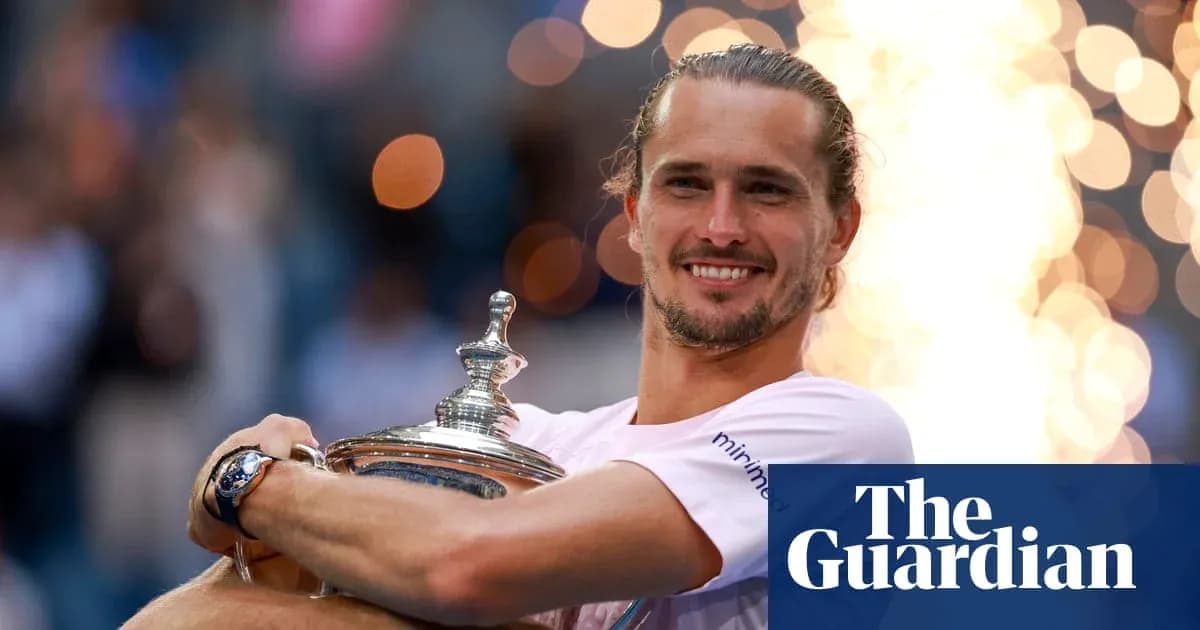
Shelton opened the fourth set with a nervous service game and immediately surrendered his serve. The window slammed shut almost as quickly as it had opened. Zverev, unflustered and unyielding, restored his grip on the match and marched to a 6-3, 7-6 (2), 5-7, 6-2 win to claim his second grand slam title of the year.
Zverev’s ruthless season
At the start of the year, Zverev was the nearly man of men’s tennis, still chasing that first major. Now he stands in rare company. By winning his first two grand slam titles in the same season, he joins Jimmy Connors, Guillermo Vilas and Jannik Sinner as the only men in the Open era to pull off that feat.
His victory also shut down a slice of US Open history. Shelton was bidding to become the first Black American man since Arthur Ashe in 1968 – and the first American man since Andy Roddick in 2003 – to lift the trophy in New York. Zverev never allowed that storyline to gather real momentum.
The head‑to‑head told its own story before a ball was struck. It is now 6-0 to Zverev. This is a match‑up he understands and controls. He served better, played cleaner, and once again used his rock‑solid two‑handed backhand to smother the left‑hander’s explosive forehand.
A serve‑dominated duel, decided in the margins
With two of the biggest servers in the sport facing off, the opening brief was simple: hold serve, protect your games, wait for a crack.
Shelton blinked first. Tight from the start, he double‑faulted on break point in the very first game of the match. When the set reached its climax, the nerves returned; another double fault on set point gifted Zverev a second break and the opener. From the back of the court, the gap was even clearer. Shelton’s forehand, usually a weapon, sprayed errors. Zverev’s ball, by contrast, stayed heavy, deep and repeatable.
The German’s serve underpinned everything. He landed 69% of his first serves and won 85% of those points, numbers that turned most of Shelton’s return games into brief, futile skirmishes rather than sustained assaults.
Shelton finally steadied on serve in the second set. He found rhythm, mixed in more variety, and at least forced Zverev to answer questions in a tie‑break. The German’s response was brutal. He seized the first mini‑break with a threaded forehand passing shot after a timid approach from Shelton, then carved another with a ferocious forehand down the line at the end of a tense rally. Two unreturned bombs later, Zverev led 5-0 in the breaker. The set, effectively, was gone.
Shelton’s late surge in the third delayed the inevitable but never quite rewrote the script. Once Zverev broke to start the fourth, the contest drifted towards a familiar conclusion: the higher seed serving with authority, dictating from the baseline, and closing without drama.
A grand slam season with shadows
This US Open final capped a strangely muted grand slam year on the ATP side. Injuries and physical issues for Carlos Alcaraz – who only returned from a long layoff at this tournament – and Jannik Sinner hollowed out draws and opened doors. The field received chance after chance to seize the stage. Very few did.
Zverev did. He kept turning up deep in majors, kept giving himself a shot. That persistence has hardened him. Each run, each high‑stakes match, has added another layer to a player who once seemed fragile in defining moments.
Yet his rise continues to sit uneasily with many.
Zverev has been accused of physical abuse by two former girlfriends, Olya Sharypova and Brenda Patea. During his run to the French Open final in June 2024, he settled an assault case in Germany related to allegations that he pushed and strangled Patea, the mother of his daughter. The case ended without a verdict. A court spokesperson stated: “The truth remains open.” Zverev has denied those charges and all other allegations against him.
The disquiet has followed him onto the biggest courts. At the Australian Open last year, a fan interrupted his trophy ceremony speech with a shout of: “Australia believes Olya and Brenda.” His three grand slam finals this year, though, have unfolded without incident, and he remains a popular figure at major events, a reality that jars with those who cannot separate the player from the allegations.
Shelton’s leap – and his ceiling
For Shelton, this defeat came at the end of the best stretch of his young career. He arrived on the North American hard courts trying to shake off the sting of a painful first‑round loss at Wimbledon. He leaves with a second Masters 1000 title from the Canadian Open, a first grand slam final, and a new career‑high ranking of No 4.
Those milestones speak to rapid, genuine growth. At 23, he has time, weapons and a clear trajectory.
But the flaws that Zverev exposed on a lonely Sunday afternoon inside Arthur Ashe Stadium will not fix themselves. His return of serve still lags behind the very best. His ground game, under sustained pressure, can fray. Against elite opposition, those cracks widen quickly.
Shelton has announced himself as a force in the sport. The question now is whether he can turn that raw force into a game that stands up to the coldest, most clinical nights at the sharp end of a grand slam.