.svg&w=384&q=75 "logo")
Aussies Face Chaos at Flushing Meadows: Rain and Upsets
For the third straight day, the New York sky refused to cooperate. Rain rolled over Flushing Meadows again, delaying the morning schedule by a couple of hours and turning the outside courts into a waiting room.
The showers weren’t heavy, just nagging and persistent, the kind that keeps players glancing at the clouds and officials glued to the radar. At first, players were told to stay put. Moments later, the instruction flipped: pack up. Like Melbourne, the two show courts stayed alive under cover; the rest of the precinct braced for a pause that could drag.
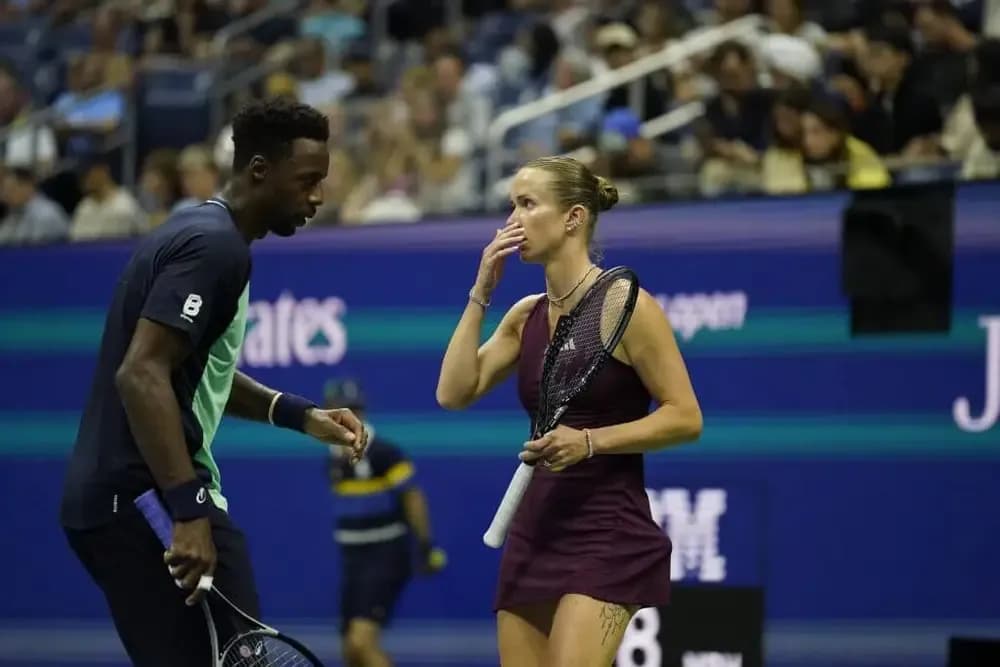
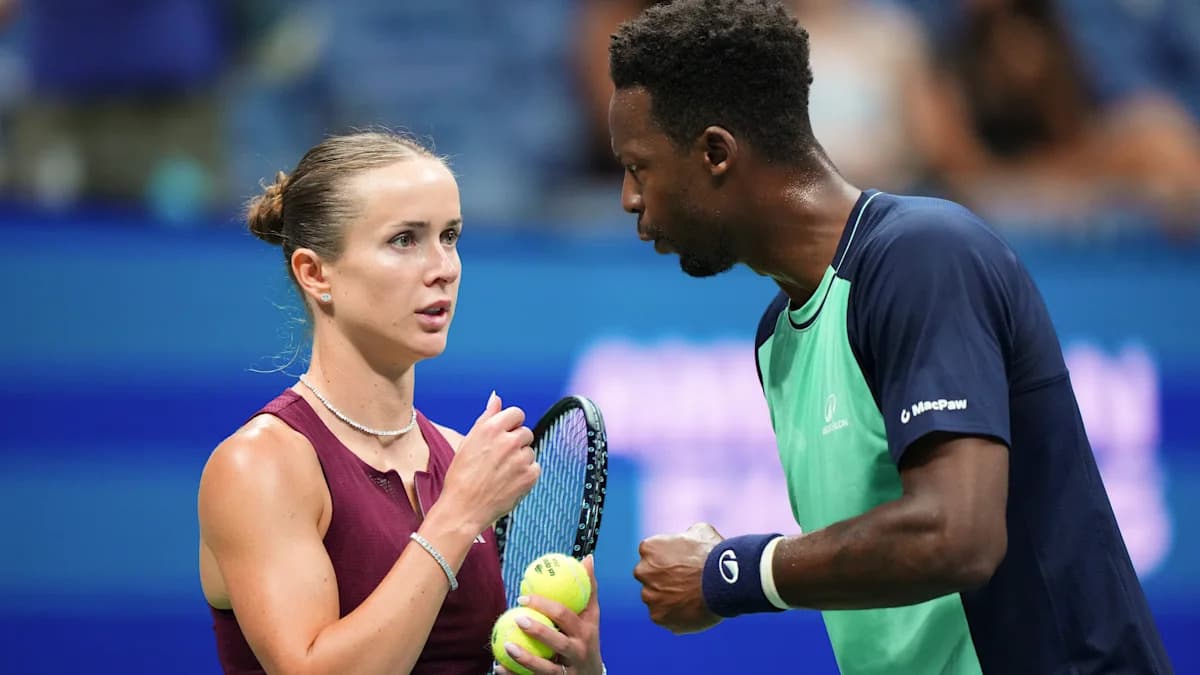
On one of those outside courts, Daria Kasatkina’s timing could hardly have been worse.
She had finally found some rhythm in the second set, starting to settle after a rough opening, when the rain swept in. Any benefit from the break was anyone’s guess, but what came before it was brutal. Quick as a flash, she had surrendered the first set.
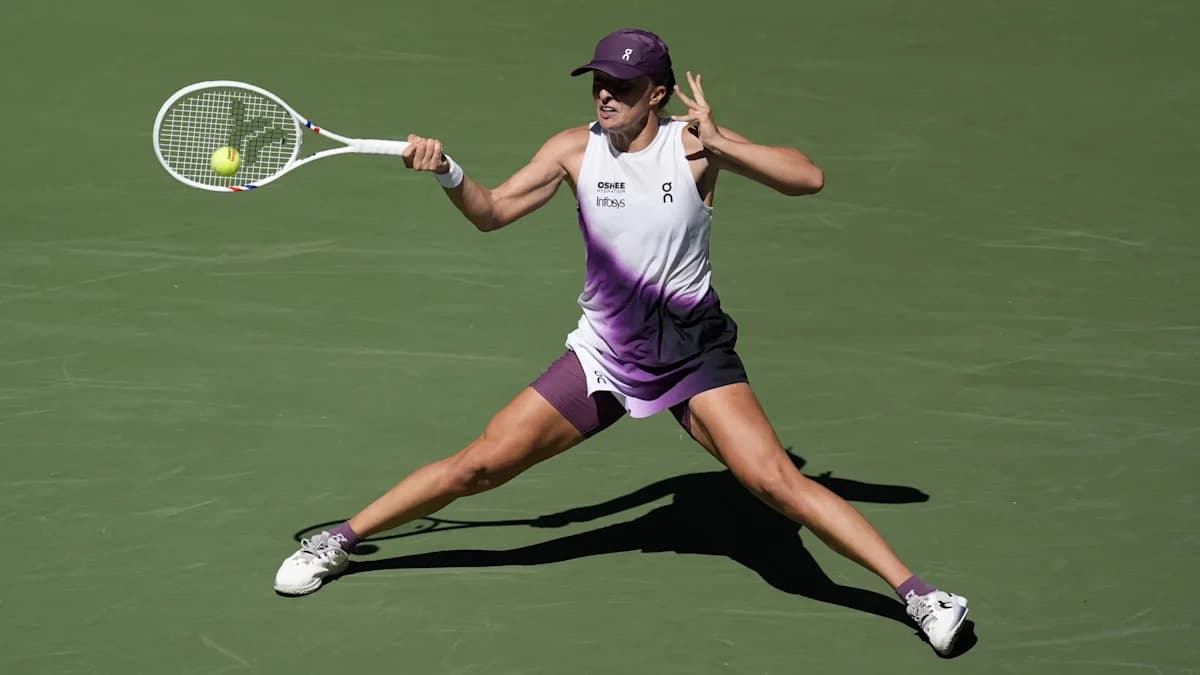
Paula Badosa broke to love to move 3-1 ahead and never really loosened her grip. It was one-way traffic from there, the set gone in just 23 minutes. On commentary for Nine, Jelena Dokic nailed the pattern: Badosa came out swinging at the start of rallies, forcing Kasatkina to react instead of construct. The Russian needed to “weather the storm” and drag points into longer, more tactical exchanges. She rarely got that far. Errors arrived before the rallies could deepen, and the scoreboard told the story.
Aussie charge: Schoolkate serves his way into round two
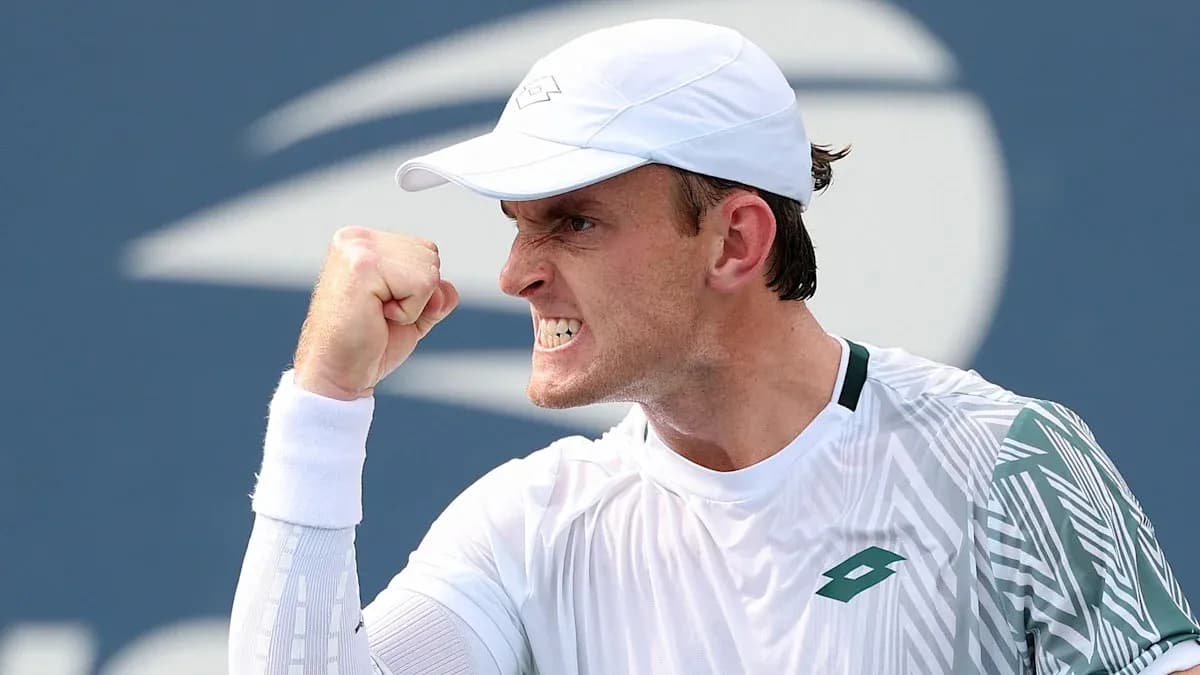
While the weather stalled some courts, it did nothing to cool Tristan Schoolkate.
The West Australian powered into the second round with a four-set win over American Nishesh Basavareddy, 7-6 (4), 3-6, 6-3, 6-4. The match was tight everywhere except on one crucial front: the serve.
Schoolkate’s delivery was a weapon all morning. He finished with 25 aces and an imposing 82 per cent first-serve percentage. The margins were razor-thin in the rallies – the final points tally read 121-119 in his favour – but every time he needed a lifeline, the serve answered.
The reward? A cheque just shy of $266,000 for reaching the second round. For a player still carving out his place on tour, that kind of payday can change the shape of a season.
Earlier in the contest, the numbers underlined how fine the line really was. Basavareddy actually led in total points at one stage, 97-93, even as Schoolkate held the advantage on the scoreboard. But with 18 aces already in the bank and his first serve landing at 83 per cent, the Australian kept stealing the moments that mattered. By the time the fourth set closed, the balance had finally tipped his way.
Sweeny’s upset bid ends in a retirement
On a nearby court, Dane Sweeny was living out the sort of storyline most qualifiers dream about.
Ranked outside the top 100, he stood two sets to love up on Frenchman Corentin Moutet, having pinched the first 7-6 (4) and backed it up 6-4. The match was no procession – the numbers made that clear. Moutet had fired five aces to Sweeny’s one and stayed in touch on the scoreboard. Sweeny had edged ahead in total points, 92-83, and led the break count 4-3, but every set turned on a handful of clutch exchanges.
One of those points summed up his day. In the second set, Sweeny slipped mid-rally, hit the deck, recovered, and still managed to feather a drop shot winner. It felt like a sign that the bounce was going his way.
Then came the twist.
Sweeny surged to a 3-0 lead in the third set. Without warning, Moutet walked to the net and extended his hand. Match over.
The reason wasn’t immediately clear from the stands. The Frenchman had heavy strapping on his forearm and, moments after retiring, buried his face in his towel. There was a brief, animated discussion with the chair umpire; it sounded as though Moutet believed he had called for a physio earlier and been denied, but the exact words were hard to catch.
On paper, this was supposed to be Moutet’s match. As recently as June, he sat at No.30 in the world and, though he has slipped into the 60s, he remains a class above Sweeny in the rankings. For the Australian, any kind of victory over a player of that calibre – even one ending in a retirement – still marks a breakthrough.
Kokkinakis struck down again
The morning’s high for Australian tennis came with a sting.
Thanasi Kokkinakis, long a crowd favourite and just as long a victim of his own body, withdrew only hours before his scheduled first-round match. The 30-year-old has been battling an ankle injury, another addition to a medical file that already includes shoulder problems that kept him off court at the Australian Open earlier this year.
He had been due to face rising star Rafael Jodar, a match-up that promised a sharp contrast of styles and plenty of noise from the stands. Instead, the contest disappeared from the schedule, leaving another hollow note in a career too often interrupted.
On a rain-soaked day of delays, retirements and narrow escapes, Australian tennis still walked away with two men in the second round and a sense of what might have been. The question now is whether Schoolkate and Sweeny can turn this messy, stop-start opening into something more lasting in New York.