.svg&w=384&q=75 "logo")
Aryna Sabalenka's Press Conference Controversy at US Open
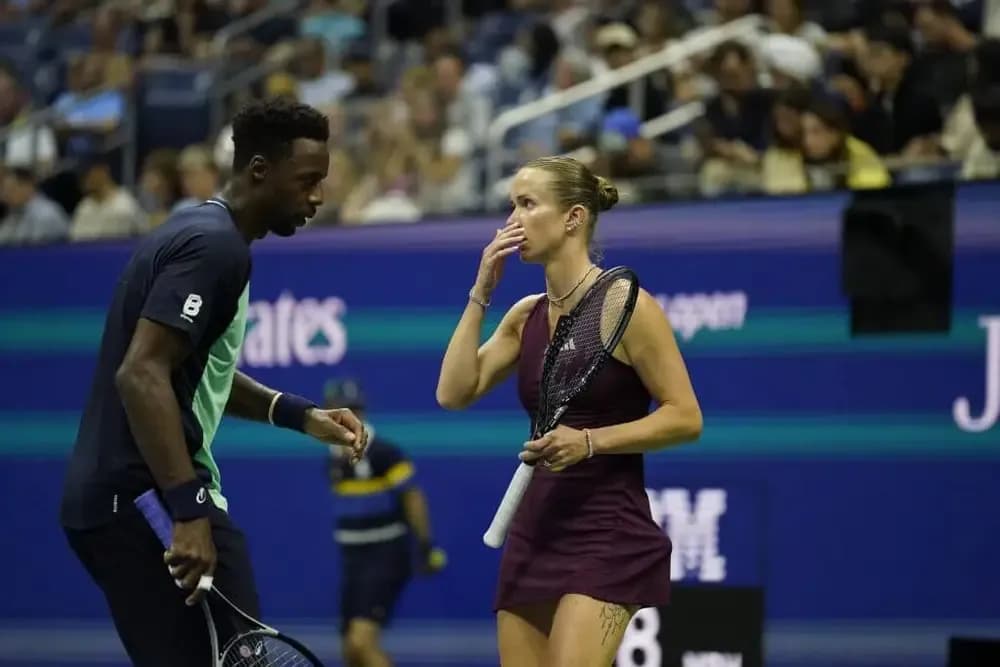
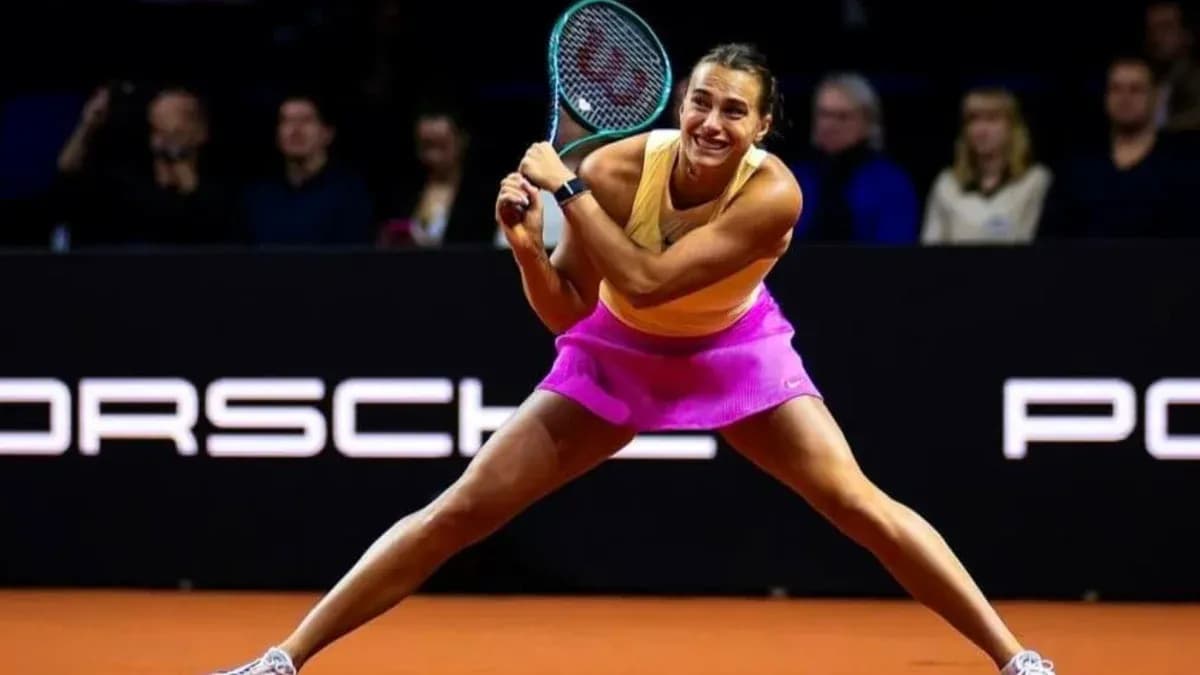
Aryna Sabalenka walked off court at Flushing Meadows after a routine, dominant second‑round win. The tennis was straightforward. What followed was anything but.
Inside the interview room, the world No. 1 was asked a question that lit the fuse. A reporter referenced what he called a week of “parties and fun” leading into the US Open and wanted to know how her mood had shifted now that the serious business had begun.
Sabalenka bristled.
The suggestion that she had spent her pre‑tournament days partying instead of preparing cut straight across her sense of professionalism. She pushed back hard, making it clear she viewed those days not as indulgence, but as work: sponsor events, brand obligations, promotional appearances – the usual carousel for a top player before a Grand Slam. Not downtime. Certainly not a lack of commitment.
The exchange quickly escaped the room.
Clips of the back‑and‑forth ricocheted around social media, replayed, dissected, slowed down and subtitled. Many fans rallied behind Sabalenka, applauding her for defending the grind that underpins her status at the top of the sport. Others focused on the wording of the question, arguing that the reporter’s phrasing had left too much room for misunderstanding.
As the debate swelled, the journalist at the centre of it all chose to step out from behind the camera and clarify his side.
He stressed that he had never intended to accuse Sabalenka of neglecting her preparation or wasting her build‑up on parties. His aim, he explained, was to reference the sheer volume of off‑court commitments that elite players shoulder before a major – the media calls, sponsor functions, public appearances that fill the calendar long before the first ball is struck. In his view, the question landed differently than he meant it, and he acknowledged the storm it had created once the footage hit the internet.
Sabalenka, for her part, did not simply let the moment hang.
After the initial flash of anger in the press conference, the two‑time defending US Open champion revisited the incident and apologized to the reporter for the intensity of her reaction. She did not, however, back away from her core point: the wording of the question, in her eyes, had been unfair and had crossed a line into questioning her professionalism.
That tension – between scrutiny and respect, between curiosity and provocation – sits at the heart of life at a Grand Slam.
Players walk straight from the heat of competition into a room full of microphones, expected to unpick their performance, expose their mindset, and offer something fresh beyond the scoreline. Reporters, in turn, chase angles that go deeper than forehands and first‑serve percentages. When those angles touch on preparation, focus or commitment, the room can turn in an instant.
This episode at Flushing Meadows underlines just how fine that line is. One phrase, one implication, and the conversation stops being about tactics and starts being about trust – between a world No. 1 guarding her reputation and a media pack trying to tell the story around her.