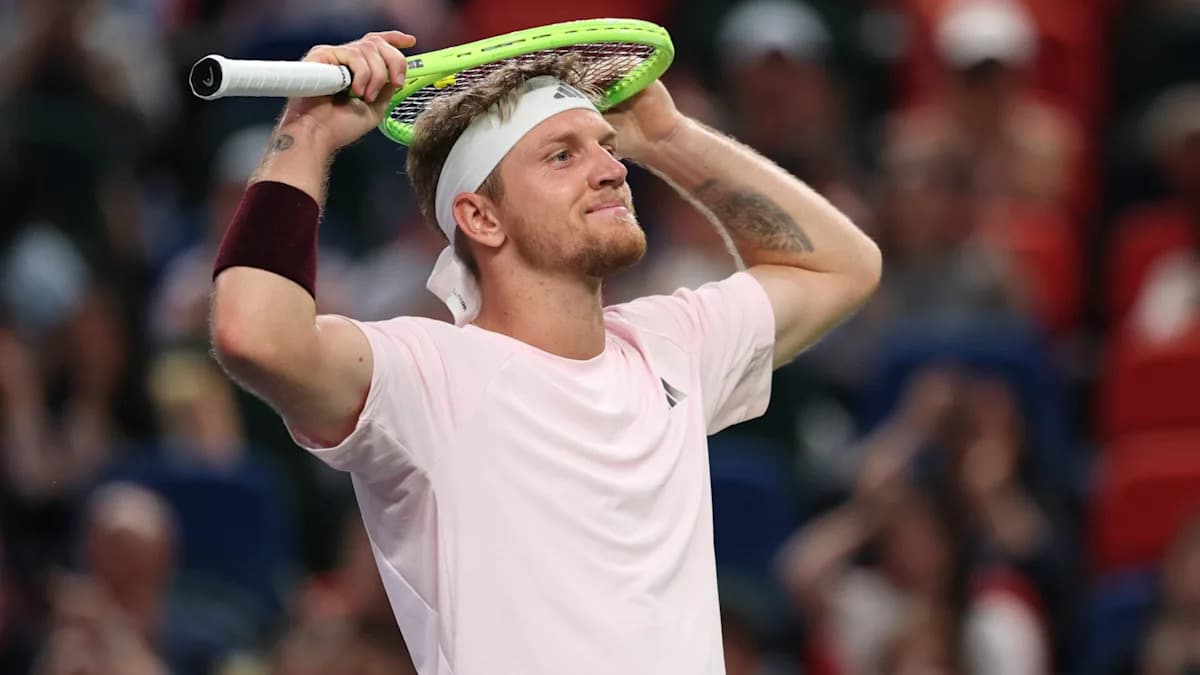
Alfie Hewett Denies Tokito Oda Grand Slam Sweep
Alfie Hewett arrived in New York with scars. French Open, lost to Tokito Oda. Wimbledon, thrashed by him, two games taken and a brutal 6-1 6-1 reminder of who ruled the men’s wheelchair game in 2026. Oda had hoovered up every major on offer this season. The calendar-year Grand Slam sat there, one match away.
Hewett tore it from his grasp.
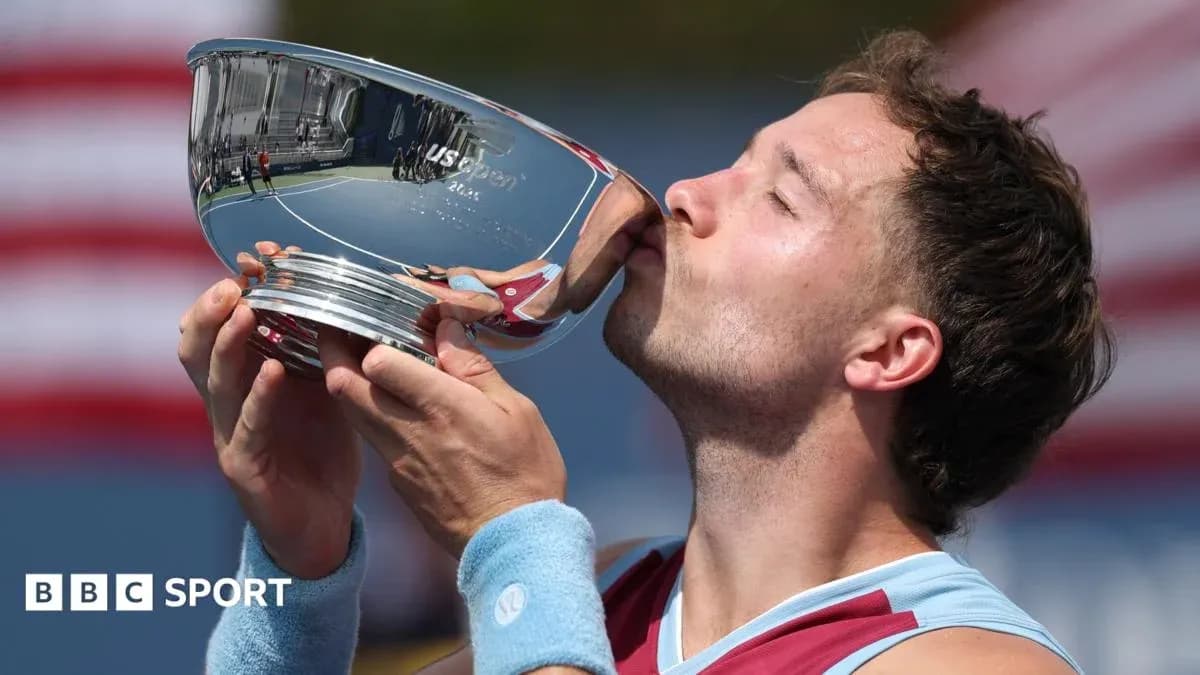
On Arthur Ashe, the Briton produced one of the great response performances of his career, dismantling the top seed 6-0 7-6 (7-5) to win a fifth US Open men’s wheelchair singles title and stop Oda completing the clean sweep.
He didn’t just win. He took back his identity.
From “shell of myself” to possessed
The 28-year-old had spoken openly about what that Wimbledon defeat did to him. Losing heavily to the same opponent on one of the sport’s grandest stages forced him into what he called a “look in the mirror” moment. He felt he had abandoned the traits that made him a serial champion.
“I’m known for being just as fearless, brave and courageous in big moments and I felt I was everything but that in Wimbledon,” he told BBC Sport. “I was quiet, I was timid, I was a shell of myself.”
Those six weeks after SW19 became a kind of personal training camp, not just for the body but for the mindset. He wanted, in his own words, “to be a little bit more like me” again as he chased an 11th Grand Slam singles title.
New York saw the result. From the first game, he crackled with intent.
Hewett had to fend off a break point in the opener, a small but crucial test. He saved it, held, and something inside him seemed to snap into place. The pressure, the doubt, the weight of Oda’s recent dominance — all of it flipped into fuel.
He later described that first set as “possessed”. It looked that way. Hewett bullied the rallies, took the ball early, and refused to give the world No 1 any rhythm. Oda, usually the one dictating, found himself chasing shadows.
Games flew by. Hewett’s chair was constantly on the front foot, cutting angles, closing space, hammering returns. At 5-0, the statement was already deafening. He sealed the bagel with a blistering backhand return winner, a shot that felt like a line drawn under the Wimbledon nightmare.
Oda fights back, Hewett refuses to blink
Champions do not fold, and Oda is very much that. The Japanese star had strung together six consecutive Grand Slam singles titles coming into this final. Australian Open, French Open, Wimbledon – all his. He arrived in New York with history within touching distance.
In the second set, that pedigree finally surfaced.
Oda raised his level, found more depth, and began to drag Hewett into longer, more physical exchanges. The momentum swung. Hewett, so dominant early on, suddenly trailed by a double break. The match, and the narrative of the season, threatened to reassert itself.
But this was the version of Hewett he had been desperate to rediscover – the one who bites back when cornered.
He chipped away at the deficit, game by game. The aggression stayed. So did the belief. He clawed one break back, then another, refusing to let Oda run away with the set. Each hold, each return game, carried a defiance that had been missing at SW19.
Oda still carved out his chances. Three set points came and went for the top seed as he tried to force a decider and keep the calendar Slam alive. Hewett stared all three down.
The set drifted into a tie-break, tension thick on court. For Oda, it was the last bridge to cross before resetting for a third set. For Hewett, it was the moment to finish what his first-set onslaught had started.
He edged the breaker 7-5, slamming the door on Oda’s perfect-season dream and on his own doubts in one swing.
A streak snapped, a rivalry sharpened
When the final ball was struck, Oda’s run of six straight majors lay in pieces. The 2026 calendar-year Grand Slam, so close he could almost feel the trophy’s weight, slipped away.
“Definitely I was trying to get the calendar year [Grand Slam] this year,” he said on court. “This was the last part of it so it’s really tough for me, but I think Alfie deserved it today.”
That acknowledgment carried weight. Oda had beaten Hewett in the French Open final. He had outclassed him at Wimbledon. He had set the standard all season. Yet in New York, on a day that mattered as much to Hewett’s sense of self as to the record books, the Briton rose higher.
This title also capped a superb week in the States. Hewett had already lifted the doubles trophy alongside long-time partner Gordon Reid on Friday. Singles and doubles, both boxes ticked, both won the hard way.
For a player who felt “a shell” of himself just weeks ago, this was more than a fifth US Open crown or an 11th major singles title. It was proof that the fearless, brave, courageous competitor he described is still very much alive.
Oda will come again. His age, his talent, his recent haul guarantee that. The chase for history rarely ends with one setback.
But on this night in New York, the story belonged to Hewett – the man who stared down his reflection, didn’t like what he saw, and came back playing like he was, in his own words, possessed.