.svg&w=384&q=75 "logo")
Yaya Touré's Journey: From Player to Champions League Manager
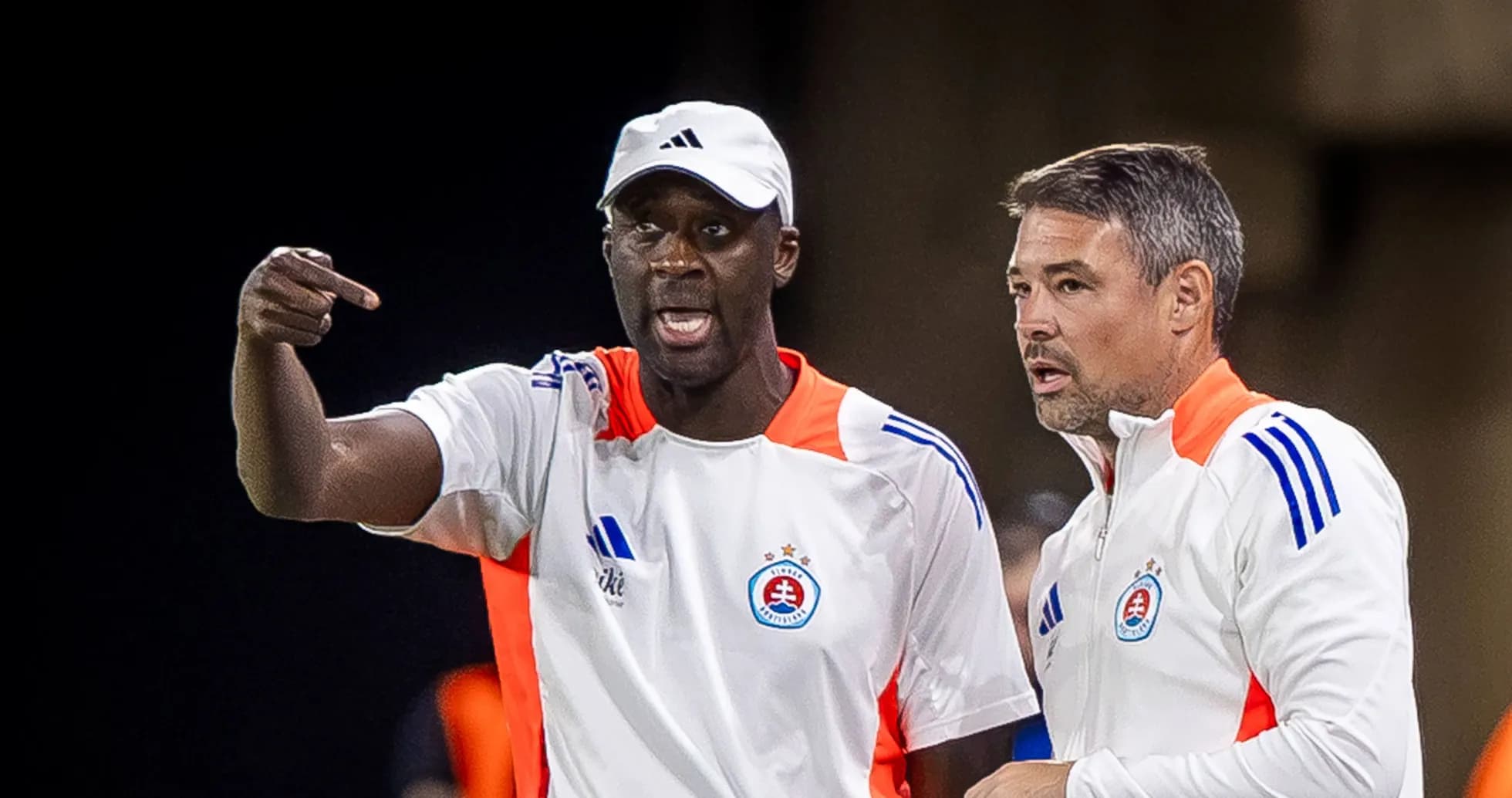
Yaya Touré has barely stepped into management, yet he already has a defining line on his CV. Slovan Bratislava, under his command, are in the Champions League proper.
Not in a qualifying round. Not clinging to a play-off. In.
The breakthrough came with a statement win away to Celje, a club proud of a formidable European home record and usually hostile to visiting ambitions. Touré’s Slovan walked in, imposed themselves, and walked out with the kind of result that instantly changes how a dressing room looks at its manager.
He didn’t make it about himself.
Where many would have leaned into the narrative of a former Barcelona and Manchester City star conquering Europe from the dugout, Touré went the other way. He pointed straight at his players, the staff, and the supporters who turned an away tie into something far closer to a home occasion.
He spoke of resilience. Of a game plan executed “in open play” exactly as drawn up. Of a group that listened and then delivered.
Before kick-off, he had kept the message to his squad simple and sharp. The fans, he reminded them, had endured a four-hour bus journey to be there. This wasn’t a casual midweek outing. It was a commitment.
“Listen, they came for you, make them go home happy,” he told them. That was the demand. No tactical lecture. No grand speech. Just a clear responsibility.
“They delivered it,” he said afterwards. “The players were fantastic today.”
The win did more than book a place in the group stage. It cracked open the door to Europe’s elite and invited the imagination to run wild. As soon as Slovan’s qualification was secure, thoughts turned to who might be coming to Bratislava.
Touré did not hide his wishes. This is a man shaped by the biggest stages, and he wants his new club to feel that heat.
“To be honest, I would love Barcelona to visit Bratislava, and maybe Manchester City to come here as well,” he admitted. Those are not just sentimental picks. They are reference points. Benchmarks.
“We have huge respect for these giant clubs, but we want to play against them to know our true competitive position.”
That is the core of his project: find out where Slovan really stand when the lights are brightest and the crests across the halfway line are the ones he used to fight for.
Then came the draw.
Romantic notions quickly met the cold reality of the Champions League machine. Slovan, debutants in pot four, were handed a schedule that looks as intriguing as it is unforgiving.
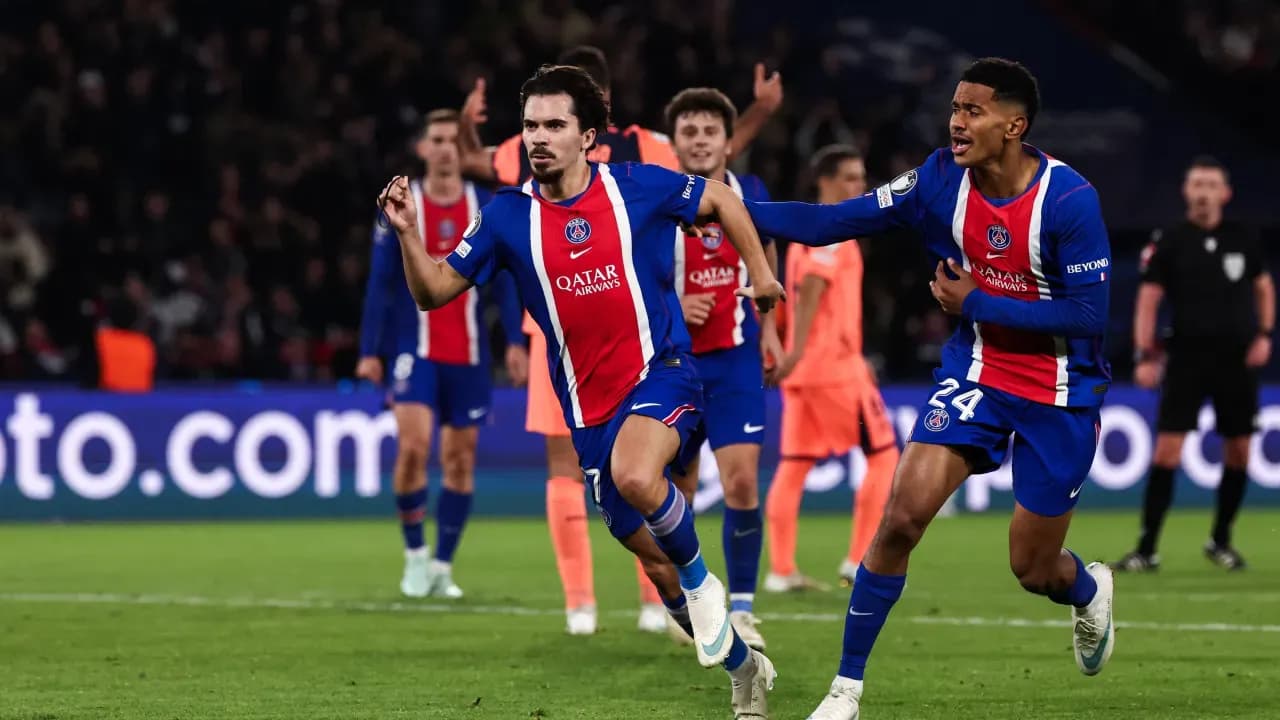
At home, they will welcome Paris Saint-Germain, Roma, Lille, and LASK. Four very different tests. Four very different football cultures arriving in Bratislava, each with its own expectation of victory.
Away, the road is even more brutal. Inter Milan at San Siro. Real Betis in the heat of Spain. Shakhtar Donetsk, battle-hardened and endlessly adaptable in Europe. VfB Stuttgart, resurgent and aggressive in Germany.
For a rookie coach, this is no gentle introduction. It is a gauntlet.
Yet Touré has not reached this point by blinking when the stakes rise. He knows the scale of the challenge, and he is determined his players won’t drift into the role of tourists.
There will be no talk of “just enjoying the experience.” Not from him. The message from the touchline will be the same as it was in Celje: respect the giants, but compete with them. Measure yourselves honestly.
The noise around him will grow as the group stage approaches. His past with Barcelona and Manchester City, his aura as one of the defining midfielders of his generation, his swift leap into the Champions League as a manager — it all feeds the story.
Inside the camp, though, the stance is deliberately grounded. Touré has made it clear that feet must stay on the floor, even as the club’s name appears alongside European royalty.
Slovan Bratislava are about to find out exactly how high the ceiling is under Yaya Touré. The question now is simple: will this campaign be remembered as a one-off adventure, or the start of something far more permanent on the continental stage?