.svg&w=384&q=75 "logo")
U.S. Open 2026: The Etiquette Crisis in Tennis
On court, the 2026 U.S. Open has delivered exactly what a Grand Slam should: shock, star power, and storylines that stretch late into the New York night.
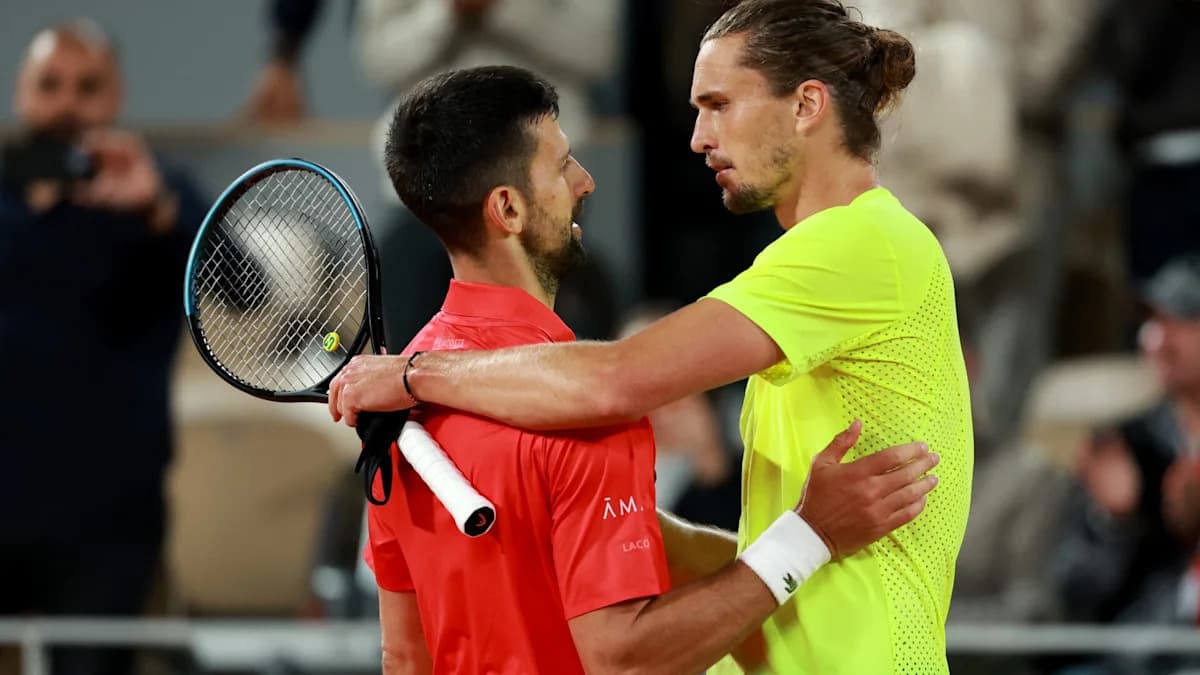
It all detonated on day one, when Novak Djokovic crashed out in the first round, ripping the draw wide open and jolting the men’s field into chaos. Since then, the women’s tournament has been driven by its elite – the marquee names doing what they’re supposed to do at a major, producing commanding performances and high‑quality matches. On the men’s side, underdogs are still swinging freely, turning routine rounds into must‑watch theater.
The tennis, in other words, has been worthy of the stage.
The behavior around it has not.
Influencers in the Firing Line
For all the clean winners and five‑set fights, the loudest conversation in Flushing Meadows hasn’t been about tactics or title favorites. It’s been about who’s sitting courtside – and how they’re acting.
Tournament organizers invited a wave of social media influencers this year, a clear attempt to modernize the brand and pull in a younger, digital‑savvy audience. The experiment has backfired in the court of public opinion. Many of those guests have ignored long‑standing norms of tennis etiquette, treating matches more like content backdrops than elite sporting contests.
That has ignited a fierce debate. Should influencers, cameras in hand and eyes often off the ball, be given such prominent access at a Grand Slam? Or is the sport sacrificing its own culture in the chase for reach and relevance?
The backlash has been swift and polarizing, and it hasn’t stopped at one group.
Arthur Ashe Noise Exposes a Bigger Problem
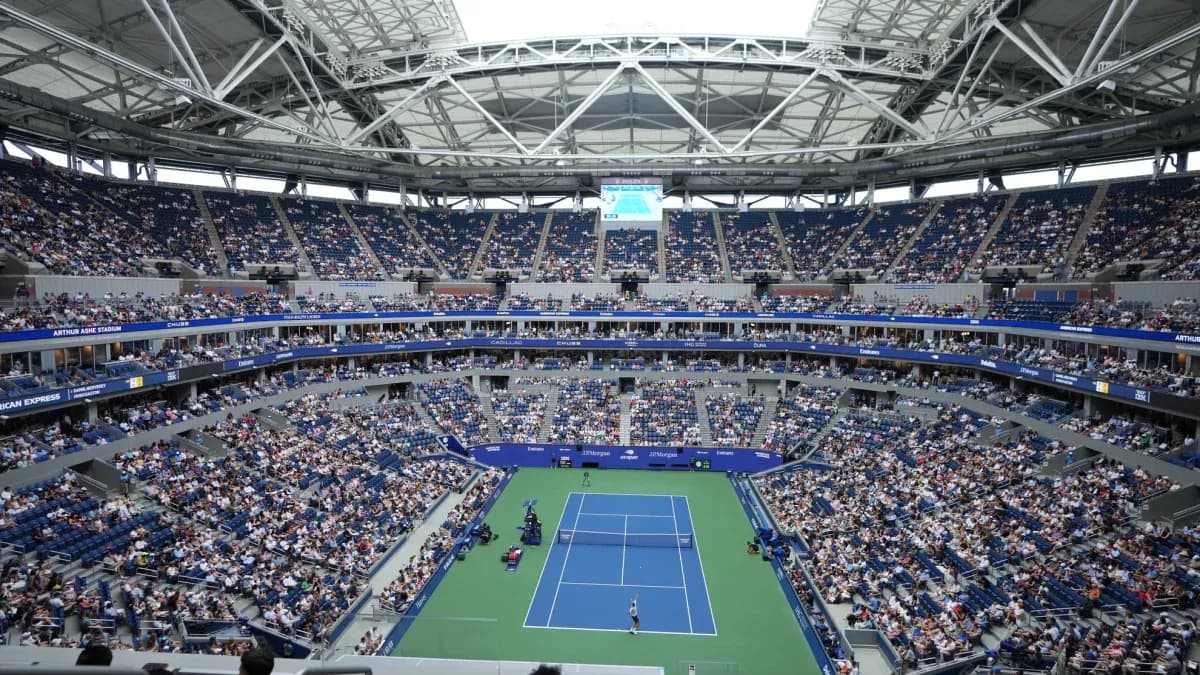
The clearest sign that something is broken came during a night session on the main stage, Arthur Ashe Stadium. Under the lights, with world‑class athletes locked into rallies, the atmosphere crossed a line.
The crowd was loudly chattering while points were still being played. Spectators in the lower bowl stood up and moved around mid‑game, drifting in and out of their seats as if they were at a casual summer concert, not a Grand Slam night match.
This wasn’t just a handful of influencers chasing a clip. This was the broader crowd losing touch with one of the sport’s most basic principles: silence while the ball is in play.
In tennis, that quiet isn’t a quaint tradition. It’s part of the contest. It gives players the concentration they need and turns every strike of the ball into a shared heartbeat between athlete and audience. When that disappears, so does a piece of what makes the sport unique.
At this U.S. Open, that compact between court and crowd has started to fray.
A Grand Slam Facing Awkward Questions
Fans, both in the stadium and watching from afar, have not held back. Social media has been flooded with criticism of what many see as a poorly controlled environment and a tournament losing its grip on standards.
The anger isn’t just about noise. It’s about the sense that organizers misjudged the balance between spectacle and respect, between growing the event and protecting the essence of the game.
Something in the chain – from ticketing and hospitality to security and in‑stadium messaging – has clearly slipped. When people are wandering around Arthur Ashe during live points, etiquette hasn’t just been bent. It’s been forgotten.
The tennis itself is still worthy of a major. The question now is whether the U.S. Open’s organizers can restore the kind of stage it deserves, or whether this edition will be remembered less for Djokovic’s early exit and the underdog runs, and more for a tournament that let the noise drown out the sport.