What’s the Value of a UFC Title Now That Pay-Per-View Is Gone?
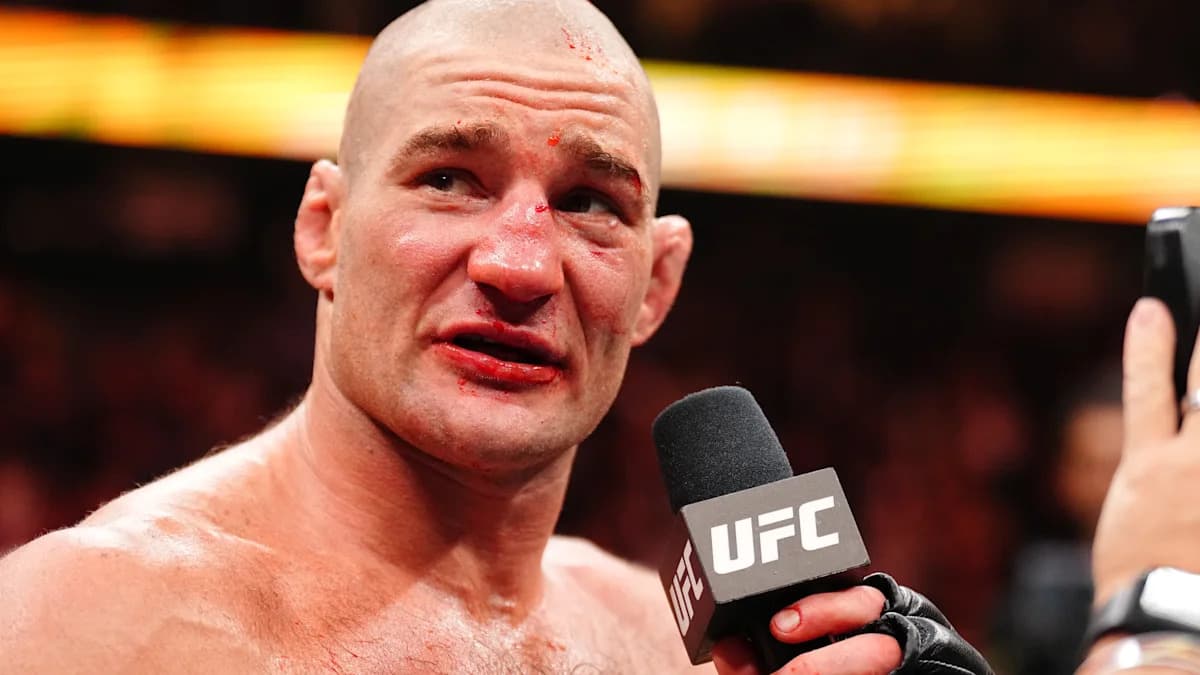
With pay-per-view events no longer part of the UFC's revenue model, the value of holding a UFC title is under fresh scrutiny. Fighters like middleweight champion Sean Strickland seem to be confronting this new reality head-on, with some questioning what their championship really means financially.
Pay-Per-View: The Lost Goldmine
Previously, earning a UFC belt meant more than just prestige; it came with a cut of pay-per-view sales, which could turn good money into life-changing wealth. Popular champions could boost their earnings dramatically depending on the event's buy rate. Without that share, fighters risk being seen as just another competitor getting fight and show money.
Today, pay-per-view has effectively disappeared. Fans watch UFC events through a subscription service like Paramount+ for a fixed monthly fee, while UFC's parent company, TKO Group Holdings, earns about $1 billion annually from these broadcasts alone. But the fighters no longer receive a direct cut from these earnings. What does that mean for the value of a title?
Sean Strickland’s Frustration
Strickland, who captured the middleweight title again in May by upsetting Khamzat Chimaev, appears frustrated enough to consider giving up his belt just to escape his contract faster. This signals deeper dissatisfaction among champs regarding their financial compensation.
Insights from Managers
Speaking with several managers—most preferring anonymity due to UFC relations—revealed a shared view: the dream of big pay-per-view payouts had already been fading before the model ended. Various factors contributed to declining buys, such as rising costs and changing viewing habits, but the end result was less income for fighters even when holding a title.
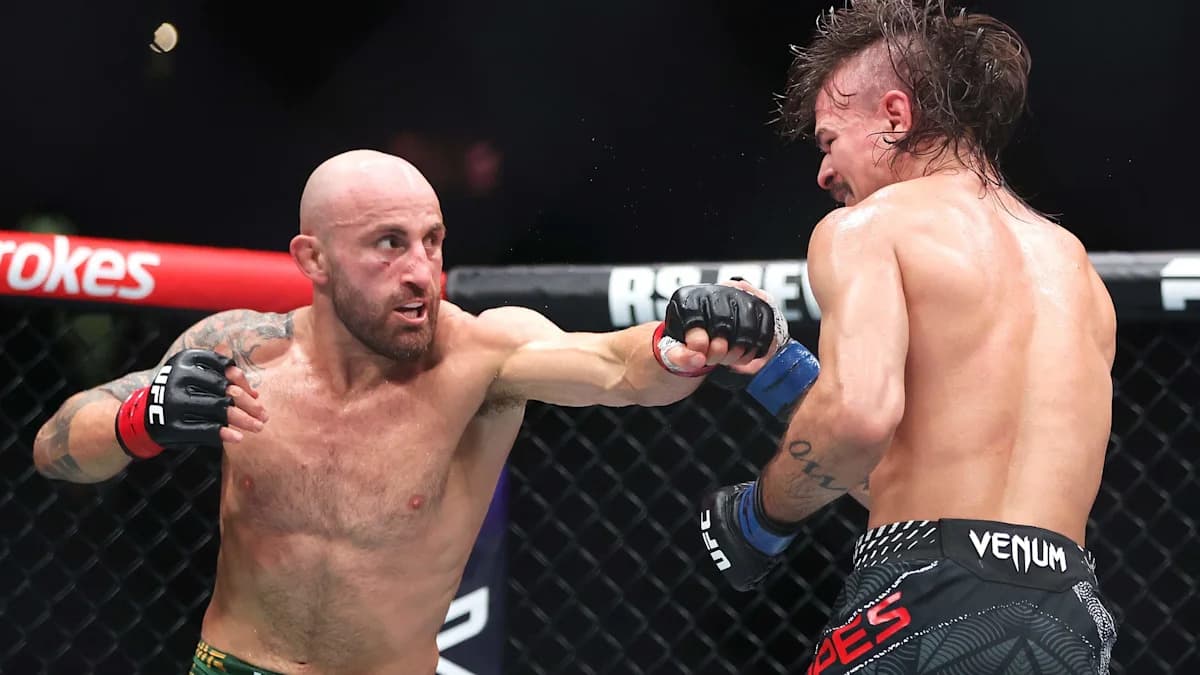
Managers noted that UFC contracts still provide a salary increase for becoming champion, plus higher promotional compliance payments. For instance, champions earn $42,000 per fight for wearing the official Venum gear during fight week, compared to $32,000 for challengers and a maximum of $21,000 for others. Outside the cage, champions often find more chances to make money through sponsorships, seminars, and appearances, though rarely at life-changing levels.
The New Reality: Predictable Yet Limited Earnings
The general consensus is that being a champion still pays better, but the margin is smaller and more predictable. Fighters now know exactly what their paycheck will be without chasing the elusive hope of hitting massive pay-per-view numbers. This can be both comforting and disappointing. While it removes uncertainty, it also caps earning potential regardless of hype or performance.
Some champions may become disheartened seeing other fighters, like Conor McGregor or Conor Benn, earning huge sums outside UFC contracts. The UFC itself can no longer use pay-per-view success to reward fighters within its standard deals.
Impact on UFC’s Approach to Fighters
With pay-per-view no longer driving revenue per event, the UFC feels less pressure to create premium-quality fight cards or accommodate individual fighters’ demands. For example, at UFC 332, the organization demonstrated this shift by prioritizing its business model over star power.
This means champions like Strickland might find themselves sidelined without much leverage. The UFC profits equally whether he fights or not, and if he stays inactive too long, they can strip the title and let others compete for it. Even established champions like Valentina Shevchenko have experienced how quickly the promotion can move on.
Facing the Future
The era when UFC titles promised big paydays linked to pay-per-view sales is gone. Fighters now operate within a system offering steadier but more limited financial rewards. This new landscape offers clarity but also stark limits, making the true worth of UFC gold far different than in years past.