UEFA Champions League Finals and Nations League Changes Announced
UEFA has quietly redrawn the landscape of European football’s showpiece nights, locking in host cities for every major club final through 2029 and signing off on a structural jolt to the Nations League.
The decisions dropped out of a decisive Executive Committee meeting in Thessaloniki, a session that did far more than just shuffle paperwork. It set the stage – literally – for where the continent’s biggest stories will be written over the next four years.
Munich and Barcelona take centre stage
Top billing, as ever, went to the men’s UEFA Champions League final.
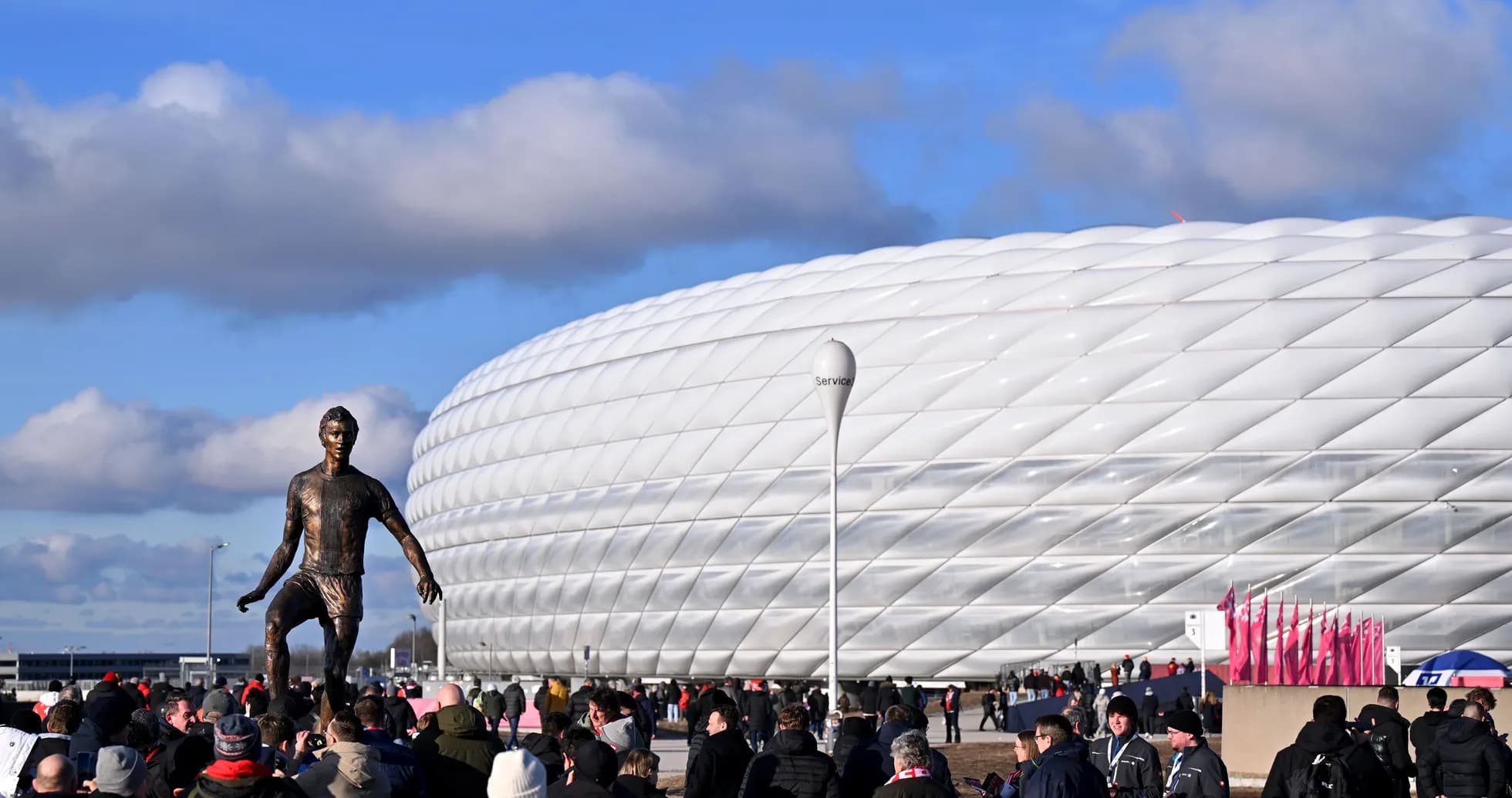
In 2028, the competition’s ultimate night returns to a familiar cathedral: the Munich Arena. Bayern Munich’s home, scene of the dramatic 2012 final, will again become the focal point of European football, with the city handed another chance to host the game that stops the continent.
A year later, the trophy heads to a rebuilt giant.
The 2029 final will be staged at the new Spotify Camp Nou in Barcelona. It will be the first European final at the stadium in its revamped form, and the first of any kind there since the iconic 1999 showpiece. By then, the Camp Nou will stand as the largest stadium in Europe, a fitting backdrop for a night when the continent’s best collide.
Europa League and Conference League spread the spotlight
UEFA’s other two men’s competitions also received their marching orders.
The Europa League final will touch down in Bucharest in 2028, at the National Arena, a ground already seasoned by major nights. In 2029, that baton passes to Belgrade, with the Serbia National Stadium chosen to host the final and bring a major European decider back to the Serbian capital.
The Europa Conference League, still carving out its identity on the calendar, will continue its tour of heavyweight venues.
Turin’s Juventus Stadium gets the nod for 2028, offering a compact, modern stage with a strong European pedigree. In 2029, the final moves to the Puskas Arena in Budapest, a venue that has rapidly become a go-to destination for UEFA’s marquee events.
Women’s Champions League and Super Cup on the move
UEFA also fixed the roadmap for the women’s game and the Super Cup, keeping those finals firmly in the spotlight rather than treating them as an afterthought.
The UEFA Women’s Champions League final heads to France in 2028, with the Parc Olympique Lyonnais in Lyon Decines selected. It is a natural fit: a modern arena in a city synonymous with elite women’s football.
In 2029, the show travels to Wales. The Wales National Stadium in Cardiff will host the final, another major endorsement of a venue that has already staged big European nights on the men’s side.
The UEFA Super Cup will also change scenery. The Johan Cruyff Arena in Amsterdam will stage the 2027 edition, a nod to one of Europe’s most storied football cities. Then comes a bold step outward: in 2028, the Super Cup will be played at the Astana Arena in Astana, Kazakhstan, a clear play by UEFA to push its flagship curtain-raiser further east and widen its reach.
On the futsal front, the 2027 UEFA Futsal Champions League final will go to Switzerland, with the Biel/Bienne Arena chosen as host.
Nations League faces a structural jolt
Away from venues and ceremonies, UEFA also moved on format – and this is where the Nations League enters a new phase.
The Executive Committee approved a change to the promotion and relegation system for the 2026/27 Nations League season. The adjustment is not cosmetic. It is designed to smooth the path towards a deeper overhaul already booked in for 2028/29.
From that 2028/29 campaign, the Nations League will shrink from four groups to three. Fewer groups, tighter fields, higher stakes. The idea is simple: sharpen the competitive edge of every fixture and strip away some of the dead rubber that has crept into the calendar.
The tweak to promotion and relegation in 2026/27 acts as the bridge, easing teams into the new reality rather than dropping them into it overnight.
Belfast gets its turn
UEFA closed the Thessaloniki meeting by confirming where its leaders will sit down next.
The Executive Committee will reconvene in Belfast, Northern Ireland, on 7 December. The timing is no accident: that date falls the day after the Euro 2028 qualifying draw, which will also take place in the city.
By then, the venues will be locked in, the formats set, and the road to Europe’s next generation of finals clearly marked. The only question left will be who survives long enough to walk out under those lights.