How Sweden’s Damallsvenskan Manages Player Departures Amid Heavy Transfers to the WSL and Beyond
Once the pinnacle of women’s football, Sweden's Damallsvenskan has transformed into a breeding ground for emerging talent frequently snapped up by bigger leagues, especially England’s Women’s Super League (WSL). Clubs often lose key players mid-season but still manage to rebuild and compete effectively.
Clubs Accepting Their Role in the Global Football Hierarchy
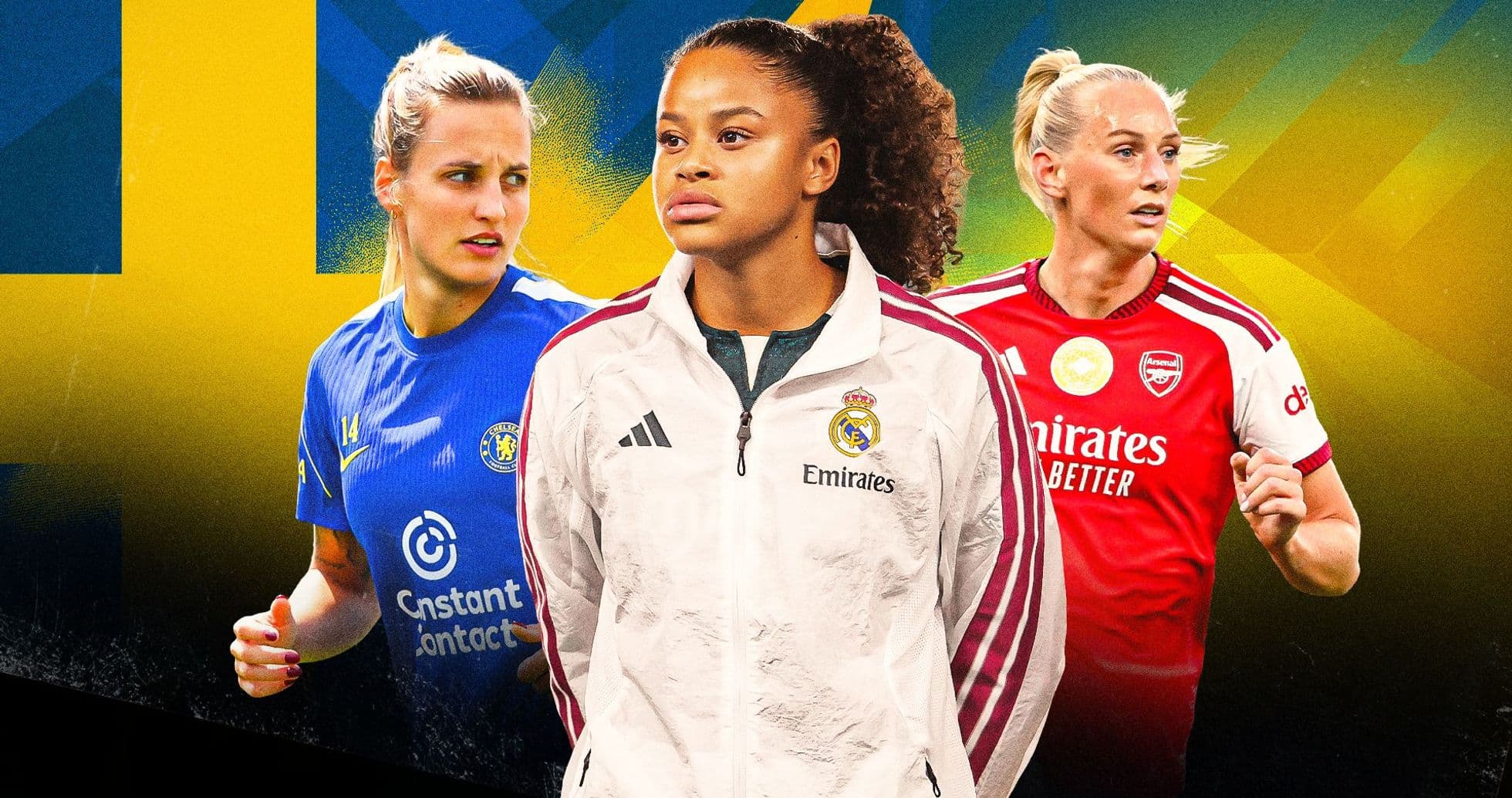
Christian Lundstrom, head of women’s football at Swedish champions Hacken, imagines how their squad would look if they hadn’t sold many star players to clubs like Real Madrid, Arsenal, Lyon, Manchester United, and Chelsea. With talents like Felicia Schroder, Stina Blackstenius, and Johanna Rytting Kaneryd having departed, the team’s current structure reflects its position as a stepping stone in women’s football.
The Damallsvenskan no longer stands as the world’s top league but continues to produce players coveted by major clubs. Since summer 2022, at least 60 Swedish players have moved to the WSL, including notable names at Arsenal, Chelsea, Manchester City, and Tottenham.
Damallsvenskan Tops Transfer Income in 2026 Summer Window
- League: Damallsvenskan
- Income: $4.2 million (£3.2m)
- Number of transfers: 30
- WSL income: $3.97 million (£3m)
- WSL transfers: 95
Despite losing talent frequently, Swedish clubs consistently refill gaps and maintain their objectives.
Realistic Expectations Help Clubs Prepare
Lovisa Strom from Kristianstads DFF emphasizes that clubs understand some players will stay long-term while others view Sweden as a stepping stone. “We are always calculating that we will lose players,” she explains. Kristianstads has finished in the top six in eight of the past nine seasons despite losing talents such as Beata Olsson, who scored nine goals in 15 games before transferring to Liverpool.
Planning Two Transfer Windows Ahead
At Hacken, Lundstrom says the club plans ahead by anticipating player departures two transfer windows in advance. This involves scouting potential signings not only for the upcoming window but also for those further down the line. Combining experienced players with young prospects nurtured internally helps limit turnover and keeps squads competitive.
Hammarby, another club accustomed to regular sales, relies on a strong team culture and clear principles to ensure continuity regardless of personnel changes. Former Finland captain Eva Nystrom praised the club's framework for making individual losses less disruptive.
Contracts and Relationships Are Key
Longer contracts have become more common as the women’s game grows, allowing clubs to negotiate decent transfer fees. Felicia Schroder's move to Real Madrid is a prime example; after signing a contract until 2029, Madrid had to pay a near-world-record fee to acquire her just a year later.
Lundstrom highlights the importance of honest dialogue: "The idea is not to keep players forever but to sell them." Strom adds that while clubs remain open to selling players to English teams, there is an expectation that clubs compensate fairly for player development.
Damallsvenskan Remains Attractive to Players
The league ranks just below the top women’s divisions in the United States, England, Germany, Spain, and Italy, placing above France and other developing European leagues. Its strong UEFA coefficient means players get valuable European competition experience.
Nystrom, who played four years at Hammarby before moving to West Ham, describes the Damallsvenskan as bigger and more professional than the Finnish league, with opportunities for Champions League and Europa Cup exposure enhancing its appeal.
Club Culture and Alumni Ambassadors Matter
Kristianstads takes pride in the culture it offers, maintaining close ties with former players who act as ambassadors. Evelyne Viens, sold to Roma, is a confident supporter of the club’s environment. Strom believes that when players feel valued, their performance improves.
Hacken points to its track record of developing talent as a selling point for recruiting new players. Lundstrom stresses the importance of continuing this tradition.
Challenges Beyond Transfers
Transfer fees outside rare cases like Schroder’s seven-figure deal remain modest, so clubs cannot rely on one sale to fund all operations. For independent clubs like Kristianstads, every transfer fee is significant.
Youth development is crucial but challenging. Approximately 80% of teenage players in the Damallsvenskan in 2026 were homegrown. Yet, coach recruitment and financial constraints limit growth in youth setups. Erling Nilsson of FC Rosengard points out the difficulty of paying qualified coaches enough to dedicate time to young players.
Top prospects now often leave earlier, moving directly to elite clubs like Barcelona or Lyon instead of first playing for Swedish teams.
Independent Clubs Face Additional Pressures
Six independent clubs compete in the 14-team Damallsvenskan, confronting competition from women’s teams affiliated with men’s clubs, which enjoy greater financial security and shared resources.
Rosengard faces competition from Malmo FF, whose women's team rapidly climbed to the top flight. Nilsson questions why young talents would choose Rosengard over a famous club like Malmo FF.
Lundstrom acknowledges that double clubs benefit from economic safety nets and shared expertise, giving them an edge. Still, Kristianstads remains one of the few independent clubs to break even or turn a profit, relying on different strategies to compete.
A Changed Landscape Compared to 12 Years Ago
Swedish women’s football has evolved since Tyreso’s last Women’s Champions League final appearance in 2008. The Damallsvenskan no longer draws the biggest stars, but clubs are more financially stable and recognized for developing top players.
Recent achievements include Hacken and Hammarby contesting the inaugural UEFA Women’s Europa Cup final in 2026, won by Hacken. The league’s teams have recorded wins against heavyweights like Arsenal and Real Madrid.
Most Sweden national team members have spent time in the Damallsvenskan, signaling the league’s role in nurturing talent. Nathalie Bjorn, a key figure ranked eighth in FIFA World Rankings, sums it up: “Something is done right in Sweden.”