Robbie Williams Concert Fallout: Court Upholds $2.84M Payout
The long-running legal row over Robbie Williams’ cancelled Melbourne Grand Prix concert has ended with a decisive win for the promoter.
An appeals court in Australia has upheld a ruling that the Australian Grand Prix Corporation (AGPC) must pay World Touring Melbourne $2.84 million in compensation, locking in a costly reminder of the chaotic early days of the COVID-19 pandemic.
Appeal thrown out
A panel of three judges unanimously dismissed the AGPC’s appeal, confirming a 2024 Supreme Court of Victoria decision that found the race organisers had breached their contract with the promoter and misled them in the hours before the 2020 Formula 1 Australian Grand Prix was called off.
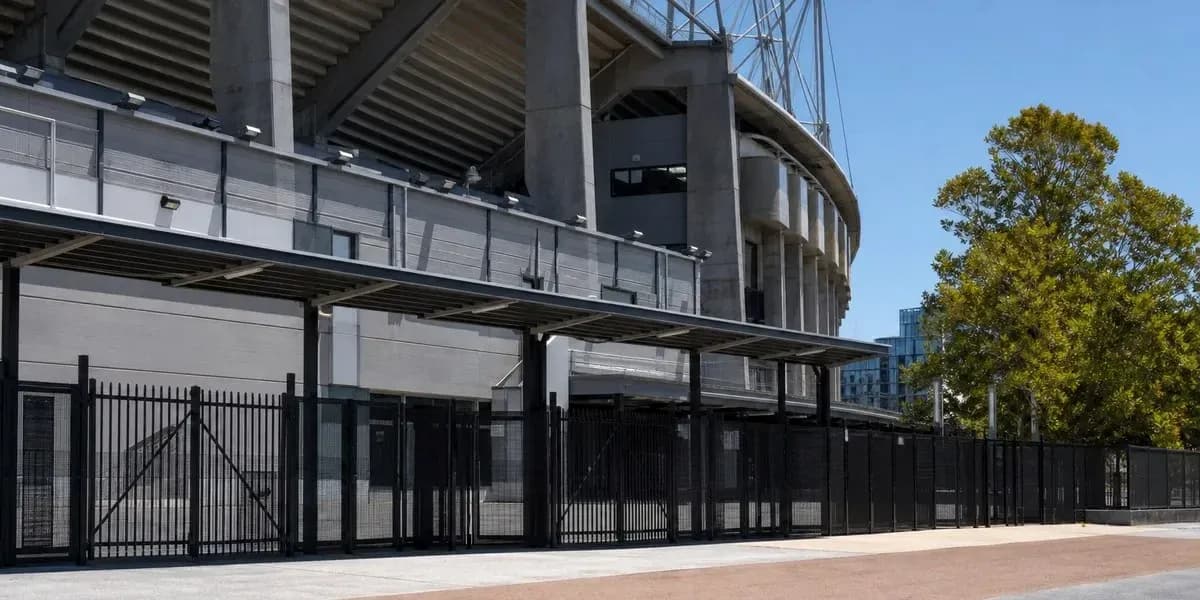
World Touring Melbourne had sued over lost earnings after Robbie Williams’ headline concert, scheduled for March 14, 2020 at Lakeside Stadium as part of the race weekend, was cancelled when the Grand Prix at Albert Park collapsed the previous day.
The payout now stands. So does the court’s view of how the organisers handled those frantic final hours.
Grand Prix weekend unravels
March 13, 2020 was supposed to be the launchpad for another festival-style F1 weekend in Melbourne. Instead, it became a case study in confusion.
The Australian Grand Prix was cancelled on the Friday, just hours before gates were due to open, as the COVID-19 threat escalated. Some fans were already queuing outside Albert Park when the decision finally dropped.
The Williams concert, slated for the following evening, never had a chance.
While the race was scrapped, other events in Melbourne and around Australia went ahead that same weekend, including National Rugby League fixtures and a concert at the Sidney Myer Music Bowl. That contrast later loomed large in the legal and public debate over whether the Grand Prix and its associated entertainment had to be shut down in the way they were.
What the court found
In his 2024 judgment, Justice Clyde Croft ruled that the AGPC had misled World Touring Melbourne about the stance of Victoria’s then chief health officer, Brett Sutton.
At 4:25 p.m. on March 13, AGPC officials emailed the promoter claiming Sutton had advised that the Grand Prix be cancelled or staged without spectators. The message effectively framed the decision as a health directive.
The evidence told a different story.
Earlier that day, Sutton had written to Grand Prix officials saying he supported cancelling Williams’ concert, but made clear the final call rested with the organisers, not with him. No order had been issued in the terms later described to the promoter.
That gap between what the health officer actually said and what the promoter was told became central. Justice Croft concluded that the AGPC’s communication misrepresented Sutton’s position and contributed to the breach of contract that cost World Touring Melbourne millions.
The appeals court has now backed that view, leaving the promoter with a substantial compensation cheque and the Grand Prix Corporation with a stark legal precedent on how crisis decisions are communicated behind the scenes.
In a sporting city that prides itself on major events, the ruling leaves one lingering question: when the next big weekend is thrown into chaos, who will be trusted to call it off—and how clearly will they say it?