Oscar Piastri's Challenging Spanish Grand Prix: Damage Control and Frustration
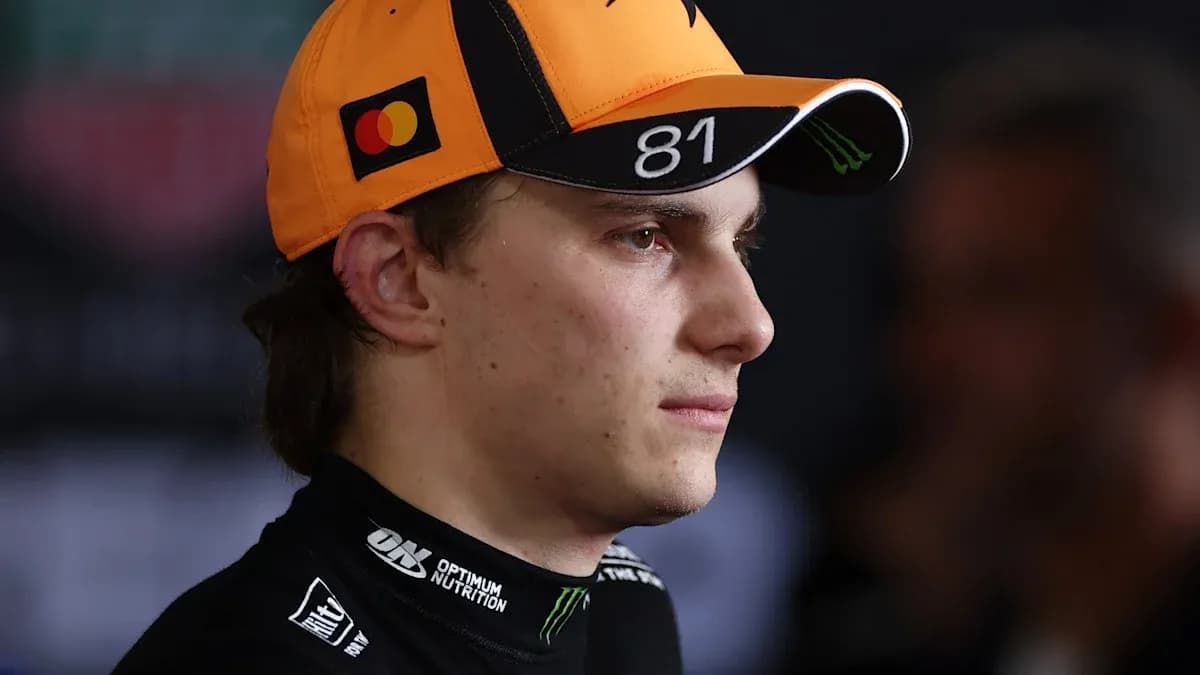
Oscar Piastri’s Spanish Grand Prix unravelled in slow motion, one radio message at a time.
What began as a solid platform from seventh on the grid turned into an afternoon of damage limitation, frustration and hard questions for McLaren, as the Australian limped home eighth in a race that crackled with controversy at the front.
Early contact, early anger
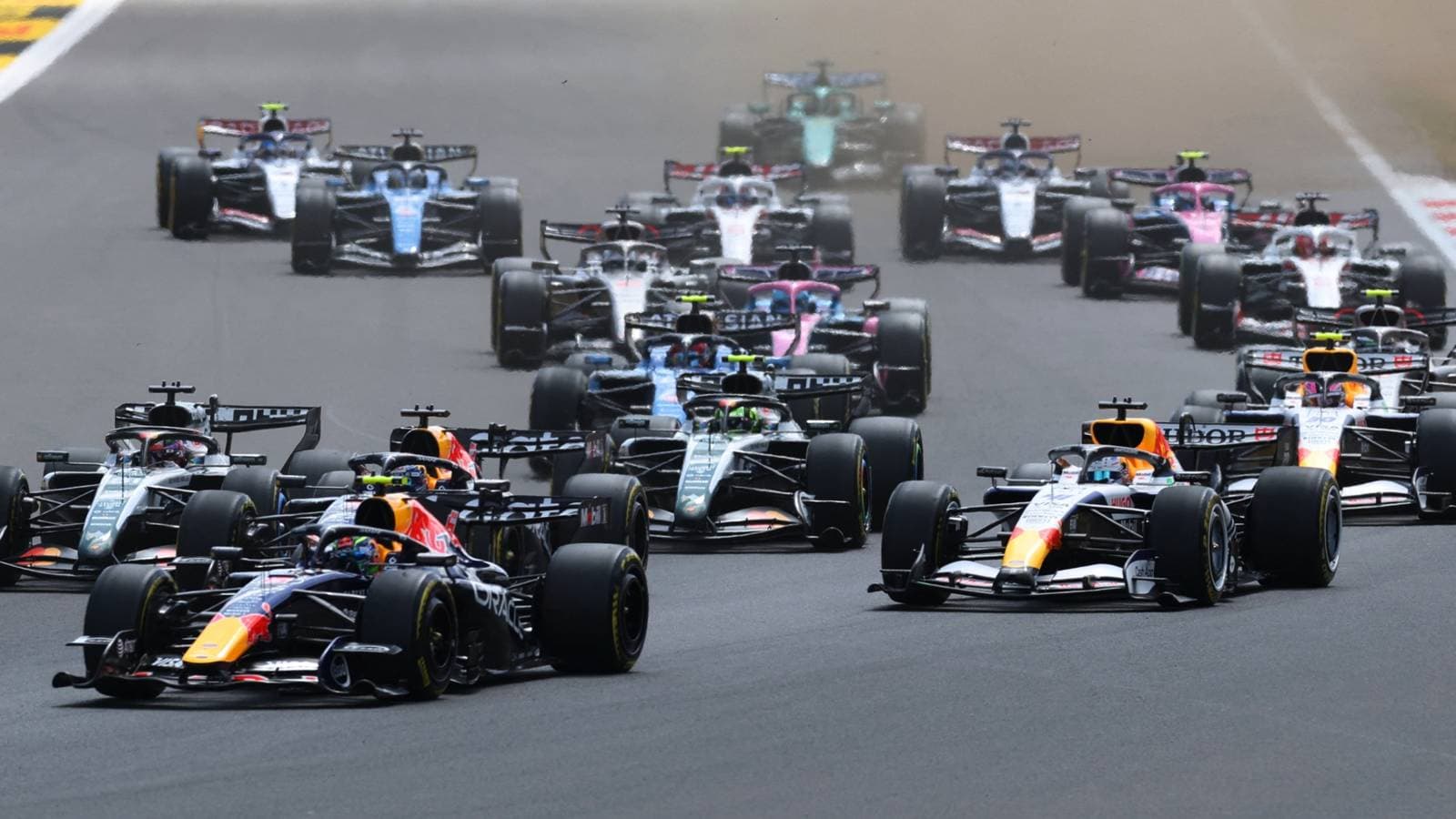
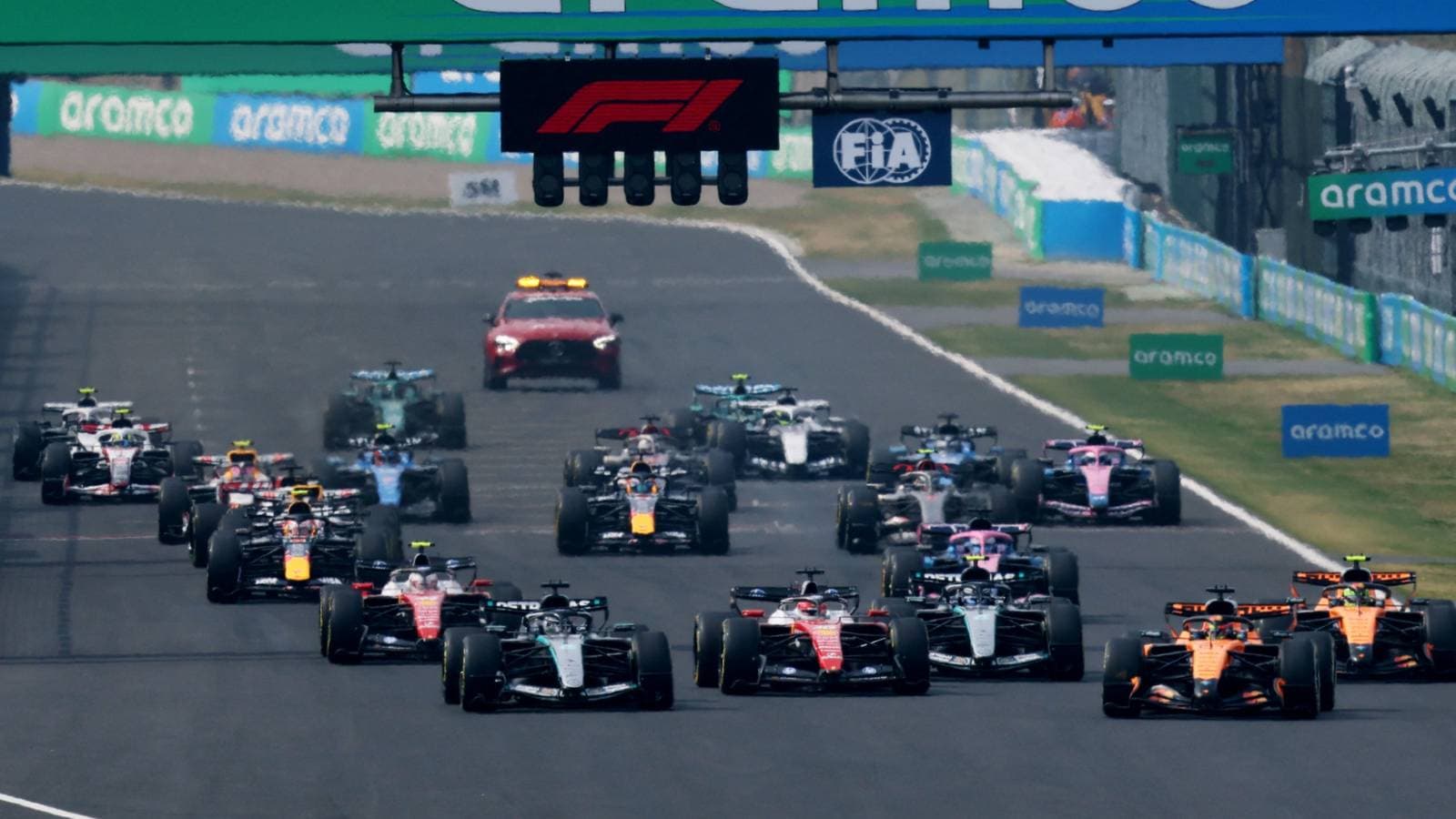
The trouble started almost immediately. Piastri twice tangled with George Russell on the opening lap, the second touch leaving the McLaren with front-wing damage. From there, every corner was a compromise.
He knew it. The team knew it. The world heard it.
“Are you gonna fix my front wing or not?” came the blunt question over team radio during his stop.
The response from the pit wall was as technical as it was telling: “We can add three holes without the time loss of fixing it.”
Piastri’s reply cut through the jargon. “OK, yes, but tell me if you’re going to fix it next time.”
It was the sound of a driver trying to manage a wounded car and an even more fragile strategy, all at racing speed.
McLaren stuck with the quick fix, and Piastri had to live with the consequences. Grip was inconsistent, balance was off, and every stint became a salvage job rather than an attack.
Strategy misfire in traffic
If the damaged wing hampered him, the strategy call that dropped him into heavy traffic finished the job.
McLaren pitted Piastri and sent him back out into the thick of the midfield. Any chance of undercutting rivals or building rhythm disappeared in a blur of dirty air and defensive driving.
“That’s not worked out well,” Martin Brundle observed on commentary, the understatement hanging over Piastri’s race like a cloud. “He’s not had a great weekend and he’s not having a great afternoon. The traffic has really hurt Piastri, hasn’t it.”
It had. Eighth place felt less like a result and more like an escape.
Chaos at the front: Hamilton vs Verstappen
While Piastri wrestled with damage and strategy, the front of the race descended into high drama.
Lewis Hamilton launched from fourth and immediately muscled his way into third, briefly getting ahead of Max Verstappen, who had started one place in front of him. The pair went wheel to wheel, Hamilton going wide, Verstappen fighting back, both unwilling to yield.
Hamilton got on the radio first, insisting the Dutchman should hand a place back after running wide. Verstappen’s reply on lap two was pure fury.
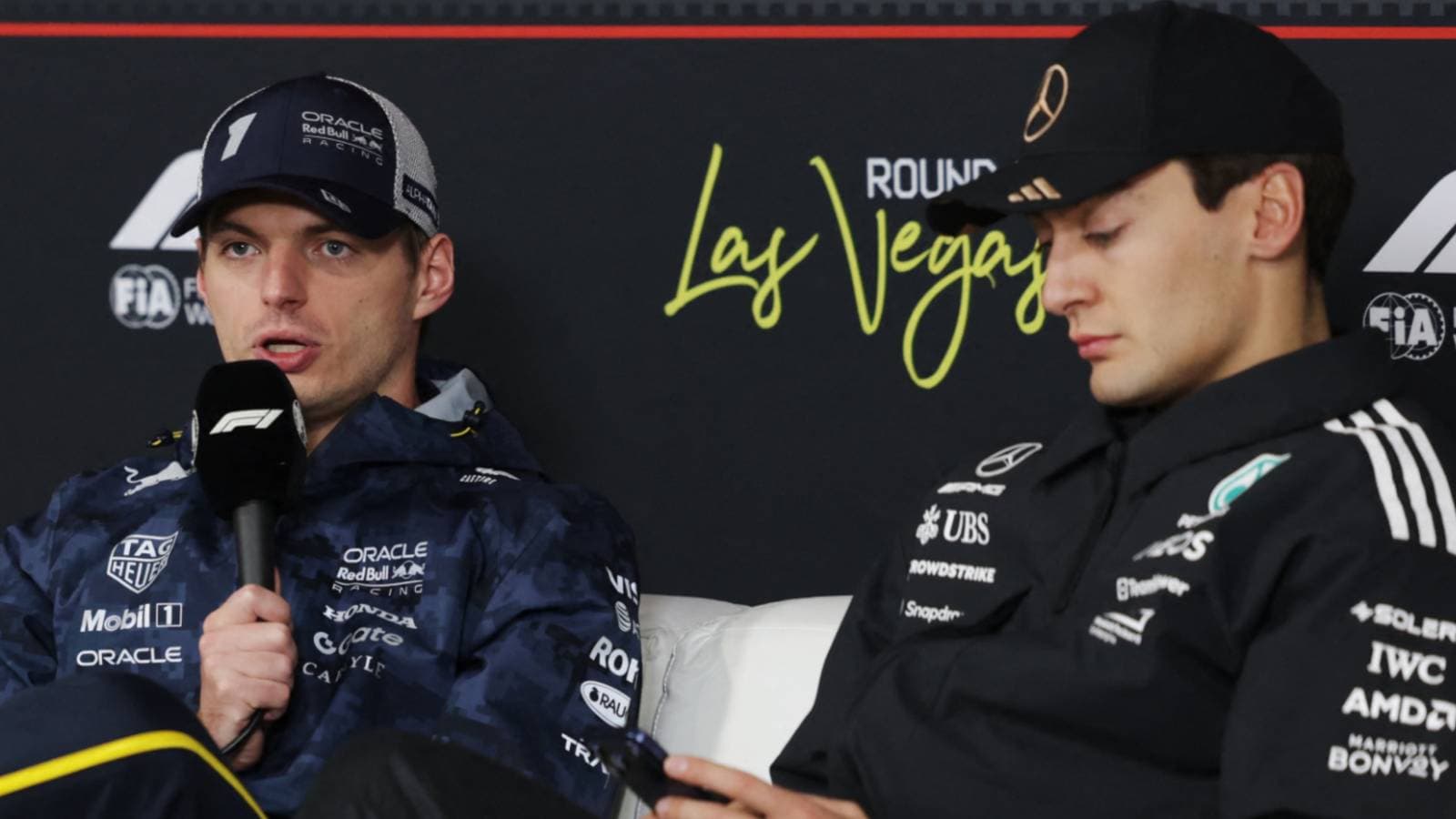
“Lewis almost shunted into me, he was out of control,” he snapped. “If I didn’t move, he just shunted into me. I would’ve been ahead.”
Moments later, Hamilton reported contact with the wall and asked his team to check the left rear. The stewards and race control made their call: Verstappen was ordered to drop from second to fourth by lap four, allowing Kimi Antonelli and Hamilton through.
Verstappen exploded.
“Mate what the f--k are you guys talking about? He would have shunted it,” he fired back when told to give the places back. “Like, what are you guys talking about? If I just stay on the track, I am out of the race.”
One lap later, the roles reversed. Verstappen swept back past Hamilton as the Mercedes began to fail him in the worst possible way.
“I don’t have brakes guys,” Hamilton reported, the dread unmistakable.
Soon after, his race was over. David Croft called it “such cruel luck” on Sky Sports, and it was hard to argue. A ferocious opening, a bitterly abrupt end.
Brakes, failures and a brutal VSC
Hamilton wasn’t alone. Lance Stroll’s Aston Martin also succumbed to brake failure, forcing the Canadian out on lap 15 and triggering a virtual safety car that would reshape the race.
For Lando Norris, it came at precisely the wrong moment.
The McLaren leader had already swept past the pit exit when the VSC was deployed. Antonelli and Verstappen were behind him on track but ahead of him in fortune, ducking into the pits under the slower conditions and saving a chunk of time.
Norris rejoined in fifth and could only fight his way back to third. The win, which had looked so possible on pace, slipped through his fingers on a rulebook technicality rather than a mistake.
Speaking to Sky Sports afterwards, he didn’t hide his irritation.
“I need to speak to the team but it’s not a guessing game. I was just unlucky, I was the only one on the grid that doesn’t get a pit stop, so I lose 20 seconds on the whole grid. It’s just out of my control, it’s just out of their control. It is a rule that should not define a whole race,” he said.
He went further, questioning the very nature of how races are decided under such conditions.
“A race should be won by the guy who can put in the best performance, who maybe takes a risk by going long in a stint. Maybe you get a safety car later on and things can help because you know that is one of the big factors. But for everyone to get a safety car, a VSC pit stop, it means nothing. It's unfair but it has happened in the past, others have won from it, I've probably won from it in the past.
“I don’t think many people have lost a race win over it so it is frustrating. I don’t think it should be the way you lose.”
On Sunday, it was exactly the way he lost.
Antonelli’s charge, Verstappen’s rage, Piastri’s questions
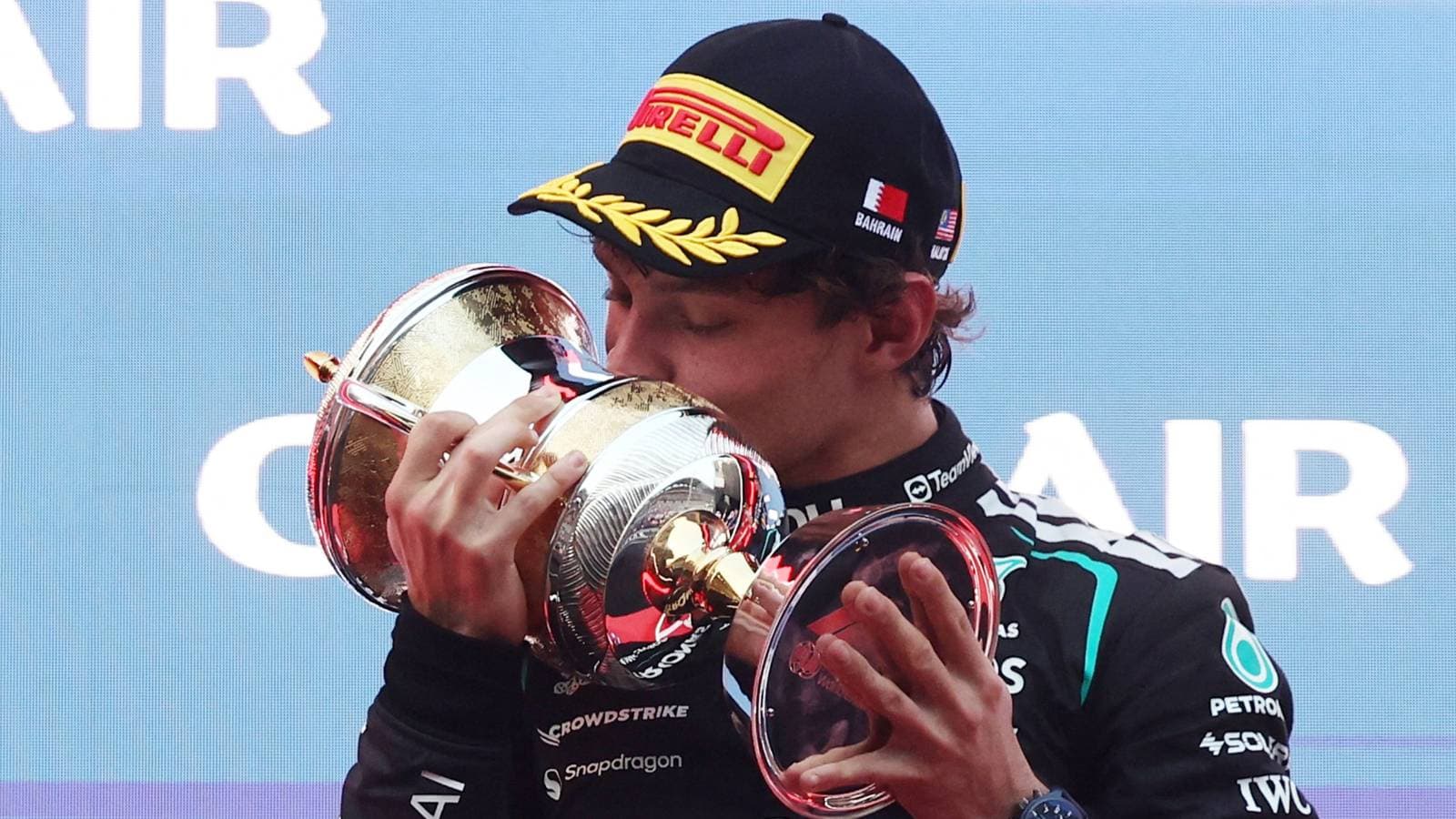
While Norris raged against the rulebook and Verstappen railed at the penalty, Kimi Antonelli simply kept winning. Calm, clinical, relentless, he converted the opportunity into another victory, his eighth from 14 races.
That kind of form doesn’t just win Grands Prix. It builds championships. Antonelli is now surging towards one.
Piastri, by contrast, leaves Madrid with points but plenty of unease. Contact at the start, a compromised car, a front wing left unfixed, a strategy that buried him in traffic. On paper, eighth place looks respectable. On track, it felt like a day that got away from both driver and team.
The season will move on. The questions from this race will not.