.svg&w=384&q=75 "logo")
Newcastle's Transformative Summer: Key Signings and Departures
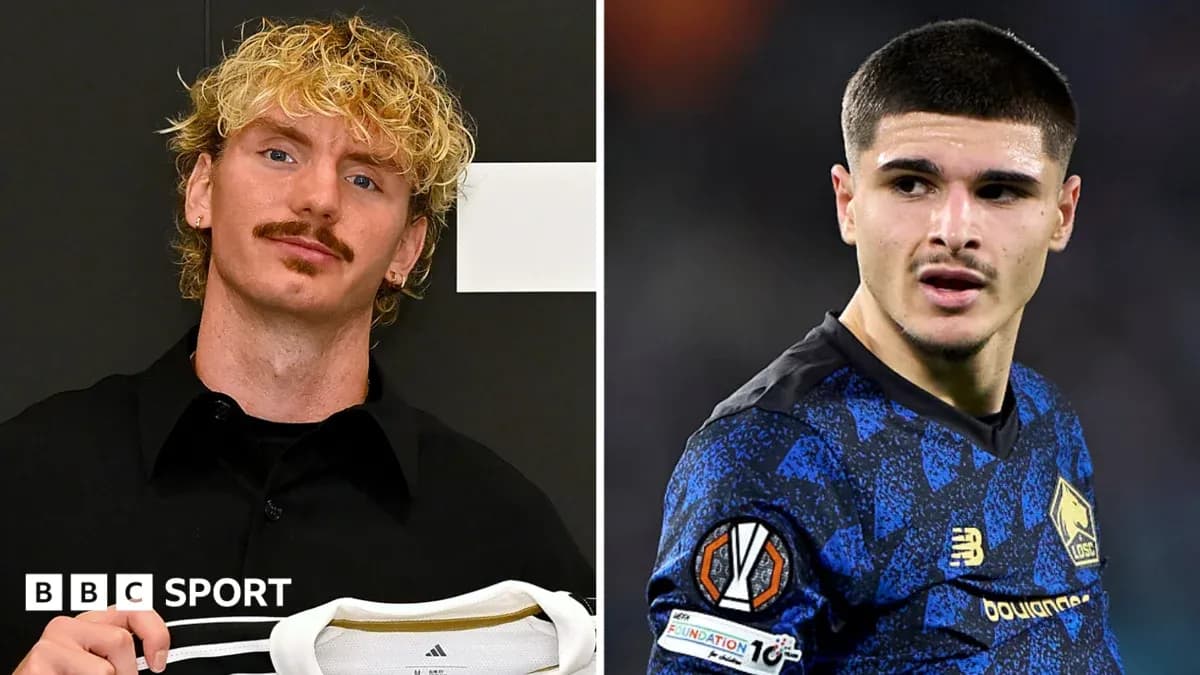
Newcastle’s summer of upheaval ended with a telling image: Matias Fernandez-Pardo, the last man through the door, holding up a black-and-white shirt after a chase that had stretched, twisted and threatened to collapse more than once.
The Belgian forward had been Newcastle United’s primary target long before the window creaked open. They wanted his pace, his chaos, his runs in behind. Lille wanted to be properly paid and carefully convinced. Only in the final days, after delicate talks and a complex agreement, did Newcastle finally get their man.
By then, the story of their summer had already split in two.
On the same afternoon Fernandez-Pardo’s arrival was confirmed, Nick Woltemade was packing his bags for Turin, completing a loan move to Juventus. A towering, record signing just a year ago, Woltemade symbolised the first phase of this project. Fernandez-Pardo, rapid and more in tune with the new manager’s demands, feels like the start of the next.
Because this has been a window of change on Tyneside. Deep, structural change.
Eddie Howe stepped down in July, the architect of Newcastle’s return to relevance walking away after a draining, bruising campaign. In his place came Matthias Jaissle, young, meticulous, and handed only a few weeks to imprint his ideas before the new season began.
On the pitch, the dressing room doors barely stopped swinging. Captain Bruno Guimaraes left, a departure nobody inside the club had seriously contemplated a year ago. He was one of several key figures to move on as Newcastle smashed their own records for both spending and sales in a single window. Eight new signings arrived. Four major pillars of the side were sold in less than 12 months.
This wasn’t a tweak. It was a reset.
The signs had been there in spring. In early April, Newcastle confirmed that Kieran Trippier would leave at the end of his contract. At 34, he was edging towards the twilight of his career, but his influence at the training ground and in the dressing room ran far deeper than his age suggested.
"It was emotional for me, of course, because I loved the club so much and Newcastle gave me so much in return," Trippier reflected months later, after joining Wolves. "I'll always follow the club and want them to do well but, as a footballer, sometimes, you have to move on. With the utmost respect, I think it was the right time for both the club and myself.
"As I've always said, I wanted to leave in the right manner and show respect to my team-mates, the club and, most importantly, the supporters, who I have a great relationship with."
His exit stripped away one layer of leadership. Anthony Gordon and Sandro Tonali’s moves to Barcelona and Tottenham, respectively, peeled away two more. Those deals did not shock the hierarchy; they were, in part, the price of staying on the right side of the game’s financial regulations and creating room to reinvest.
Guimaraes was different. He was the heartbeat they never expected to lose.
If there was a single image that captured Newcastle’s bruising domestic campaign last season, it came on the final day at Fulham. Drained, beaten, the Brazilian dropped to the turf, unfastened his boots before the physio could even reach him and stared at the bench, demanding to come off. Newcastle finished 12th, miles below the projections drawn up in the boardroom, and missed out on the lucrative European revenue that had underpinned so many of their plans.
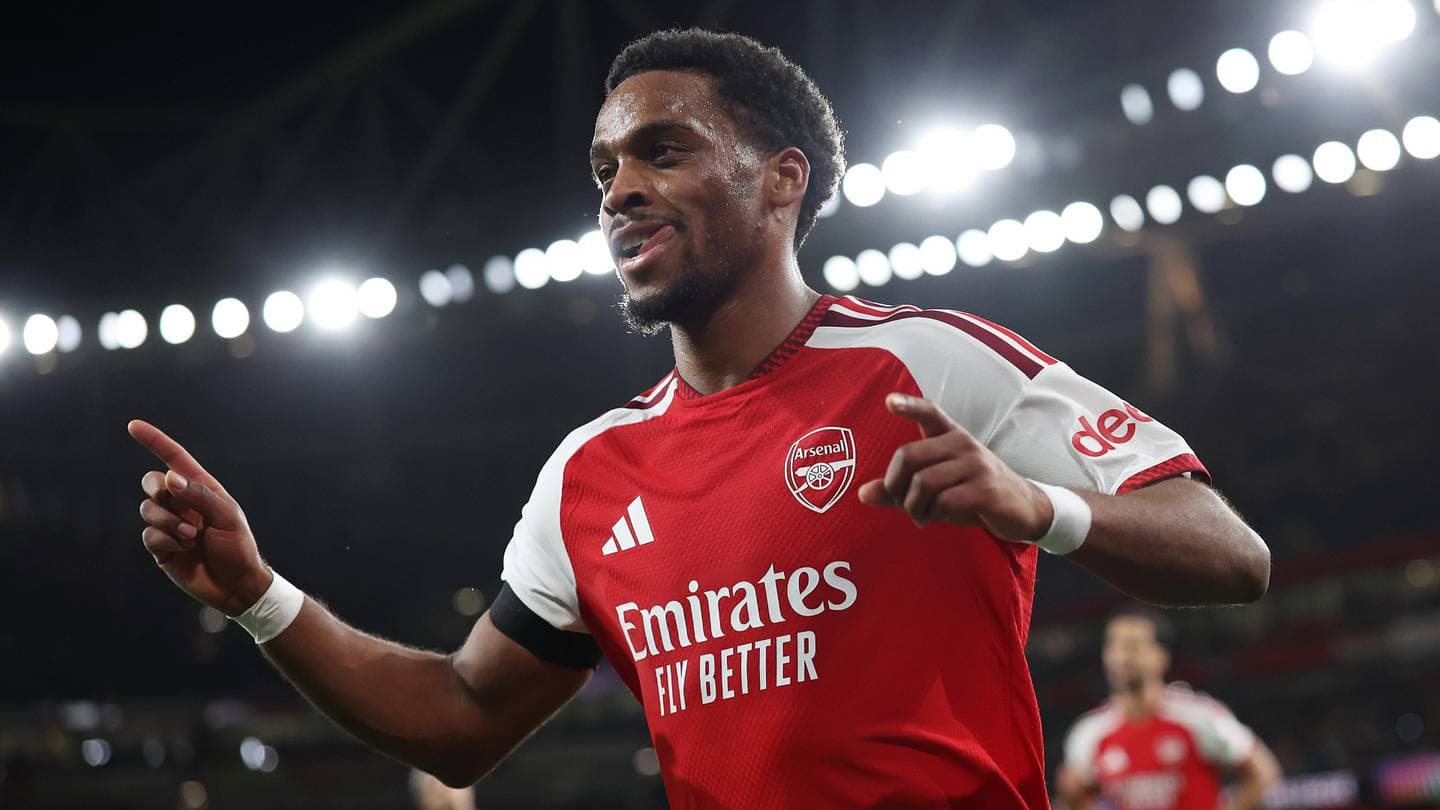
The idea of him signing a new contract never got off the ground. A figure involved in his move to Arsenal was blunt: there was no realistic prospect. A few weeks later, Guimaraes was gone for £75m, and Newcastle had lost another cornerstone.
They had already seen Alexander Isak leave for Liverpool against their wishes last summer. Now Guimaraes followed him out. Four key players gone inside a year. Two more top targets, Victor Munoz and Johan Manzambi, chose Liverpool and Aston Villa instead.
From the outside, it looked like a club taking punches.
Inside, the message never changed. Judge the window when it shuts.
"Just because one element doesn't go the way you want doesn't mean you abandon the plan," a senior source insisted. "We stayed on target, stayed focused, stayed calm and moved on. We didn't do a whole lot of mourning or crying when we had a setback.
"We pivoted to what's next."
The final fortnight proved whether that conviction held up under pressure. Amar Dedic came in to reinforce the defence. Nico Gonzalez arrived to add legs and bite in midfield. Then Fernandez-Pardo, the long-term target, finally signed.
Those three, and what followed on the pitch, started to bend the narrative.
Season ticket holder Adam Widdrington had heard the noise all summer. The doubts, the predictions, the sneers.
"Plenty of pundits and other fans had Newcastle earmarked for relegation," he said. "They said, 'Who's the manager? Never heard of him. Who are these young players? You have lost a load of players'."
The early evidence began to answer some of those questions. A 2-2 draw against Liverpool, full of running and resilience, then a 2-0 win at Tottenham Hotspur, sharp and disciplined, shifted the mood.
"I still wouldn't class it as a great transfer window, but I think it's a good one, especially given the context of where it looked like Newcastle were heading in that Bruno dip," Widdrington added. "At that point, it didn't feel like there was so much to inspire the fans, but the last three signings shifted opinion a lot."
The numbers on opening weekend underlined what Jaissle is building. Newcastle recorded 138 sprints, more than any other side in the Premier League. That statistic is not a throwaway detail; it’s a blueprint. High tempo, relentless pressing, vertical running.
Fernandez-Pardo fits that model. Jaissle has already highlighted his "explosiveness", the burst and acceleration that stretch defences and open lanes for midfield runners. It is a trait Woltemade, for all his effort and the promise he showed in his first months at the club, never truly possessed.
This is the direction of travel now: younger, faster, more aggressive in transition. It will not be smooth. Fernandez-Pardo is only 21. The squad around him is young, still learning a new system and a new manager. There will be dips, mistakes, days when the legs look heavy and the ideas don’t quite click.
They will not, though, go into those days doubting themselves.
"We always have hope and belief," Jaissle said before a ball had been kicked this season. "No one can take that away from us."
After a summer that ripped up the old script, Newcastle have nailed their colours to that line. Now the question is simple: will that belief be enough to turn a turbulent rebuild into a new era, rather than just a brief, frantic interlude?